


For expectant mothers, preparing for a new baby involves learning about a world of new care routines. One of the most valuable is collecting and storing colostrum. Often called "liquid gold," this first milk is a powerhouse of nutrition and immunity for your newborn. This guide will walk you through everything you need to know about how to safely collect, store, and feed this incredible first food, making it one of the most important of all your new baby essentials.
What Is Colostrum? Why Is It Called "Liquid Gold"?

Colostrum is the thick, sticky, and often yellowish first milk your breasts produce during pregnancy and for the first few days after birth. While it is low in volume, it is incredibly high in value, which is why it has earned the nickname "liquid gold." It is a super-concentrated fluid packed with everything a newborn needs to thrive in their first days of life.
This first milk is rich in antibodies, particularly Immunoglobulin A (IgA, a special antibody that coats your baby’s intestines and protects them from germs.), which coats your baby's intestines and protects them from germs. It is also loaded with white blood cells, growth factors, and nutrients that help establish a healthy gut, stabilize blood sugar, and act as a natural laxative to help your baby pass meconium (their first stool).
The Basics of Antenatal Colostrum Collection

Antenatal Collection: This refers to storing colostrum before your baby is born. You may want to have just enough for your own reassurance and to give your baby its best start should difficulties arise while breastfeeding.
Your doctor or midwife may suggest antenatal expression if: You have diabetes, You’re having twins or more. You’re planning to have a Caesarean section, You have low milk supply or have had low milk supply in the past. It is vital to wait until at least 37 weeks before starting antenatal expression.
For most low-risk pregnancies, it is safe to collect colostrum from 37 weeks of gestation onwards. Always check with your doctor before starting antenatal expression. You should avoid antenatal expression of colostrum if you have placenta previa or have been advised against nipple stimulation for any medical reason whatsoever.
Assembling Your Colostrum Collection Kit
Having your tools ready makes the process simple and stress-free. All equipment must be sterile to ensure it's safe for your baby.The colostrum collection kit is a perfect addition to your DIY postpartum care package.
- Sterile Oral Syringes: Small 1ml to 5ml syringes are ideal for collecting tiny drops.
- A Sterile Collection Cup: A small, clean medicine cup or spoon can be used to catch the colostrum before drawing it into the syringe.
- Labels and a Pen: You'll need to clearly label each syringe with your name, and the date and time of collection.
- A Small Bag for Storage: A clean, sealable bag to store the labeled syringes together in the freezer.
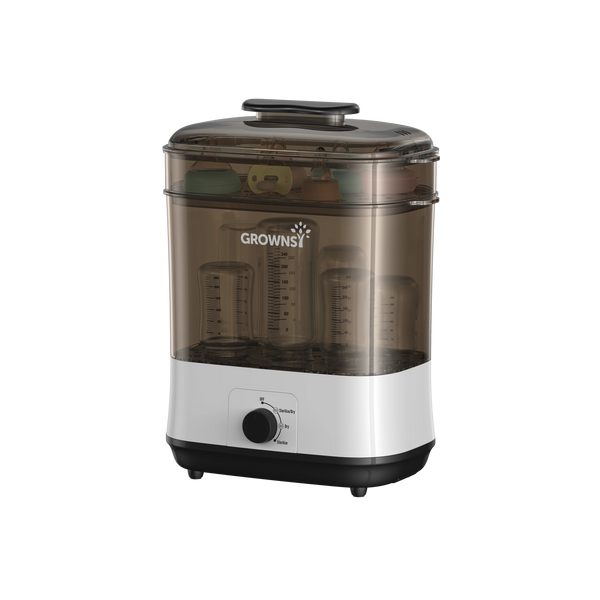
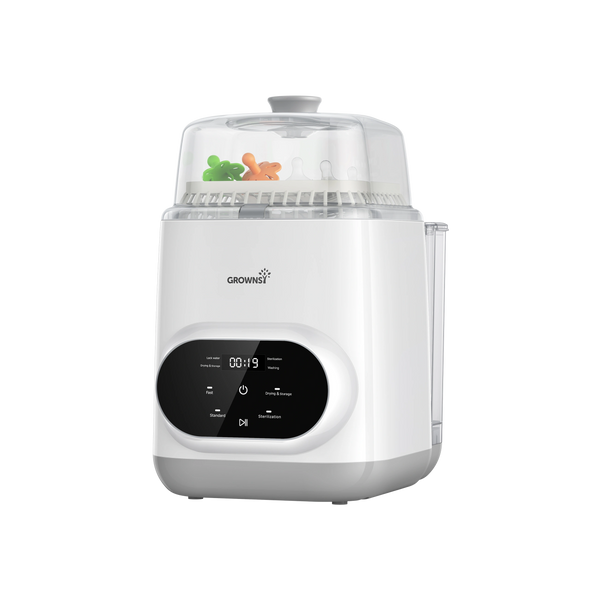
The principles of sterilizing infant bottles apply here—everything that touches the milk must be impeccably clean.
The Step-by-Step Guide to Hand Expression
Hand expression is the most effective way to collect small, thick quantities of colostrum. Breast pumps are often ineffective for this task, as the precious drops can get lost in the tubing.
- Wash Your Hands: Always start with thoroughly washed hands.
- Get Comfortable and Relaxed: A warm compress or gentle breast massage beforehand can help encourage let-down.
- Form a "C" Shape: Place your thumb on top of your breast and your fingers underneath, about an inch or two back from the areola.
- Press and Compress: Gently press back toward your chest wall, then compress your thumb and fingers together. Release and repeat in a steady rhythm. This should not be painful.
- Collect the Drops: As beads of colostrum appear, use the tip of a sterile syringe or a clean spoon to collect them. Don't be discouraged if it takes a minute for the first drops to appear.
- Rotate Your Hand: Move your hand position around the breast to express from different milk ducts. Express for 5-10 minutes on one side before switching to the other.
How to Properly Store Your Liquid Gold

Proper storage is critical to preserving the safety and nutritional quality of your colostrum.
For the small, precious amounts of colostrum, oral syringes are the best storage container. They allow for easy collection, precise measurement, and waste-free feeding. Breast milk storage bags are too large and would cause most of the colostrum to be lost.
Once collected and labeled, colostrum should be refrigerated or frozen immediately.
- Room Temperature: Up to 4 hours
- Refrigerator (≤ 4°C/39°F): Up to 4 days
- Freezer (≤ -18°C/0°F): Up to 6 months
Always store milk in the back of the fridge or freezer where the temperature is most stable, not in the door.
Using Your Stored Colostrum: From Freezer to Baby
When it's time to feed your baby, you'll need to transport, thaw, and warm the colostrum safely.
Pack your frozen, labeled syringes in a small insulated cooler with an ice pack. Inform the nursing staff you have it when you arrive, and they will store it in a designated freezer for you. This is a key item to have in your hospital-ready postpartum care package.
Safely preparing your colostrum is vital. Never use a microwave. It destroys precious nutrients and creates dangerous hot spots that can burn your baby’s mouth.
The best methods are:
- Thaw in the Refrigerator: Move the syringe from the freezer to the fridge to thaw slowly.
- Use a Warm Water Bath: Place the syringe in a bowl of warm (not hot) water.
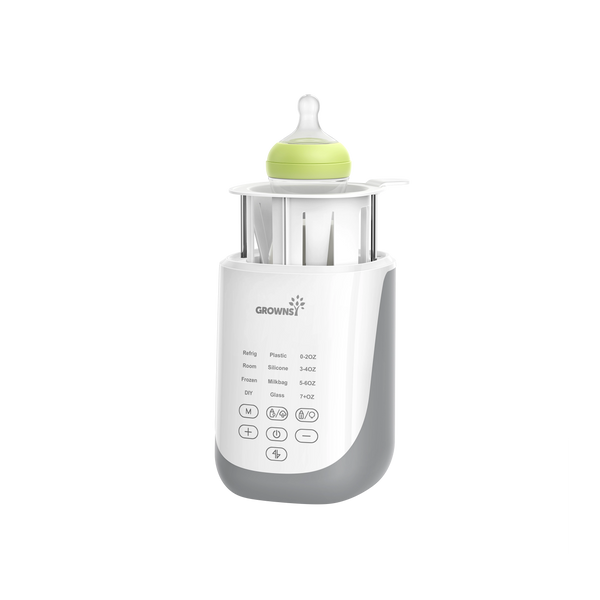
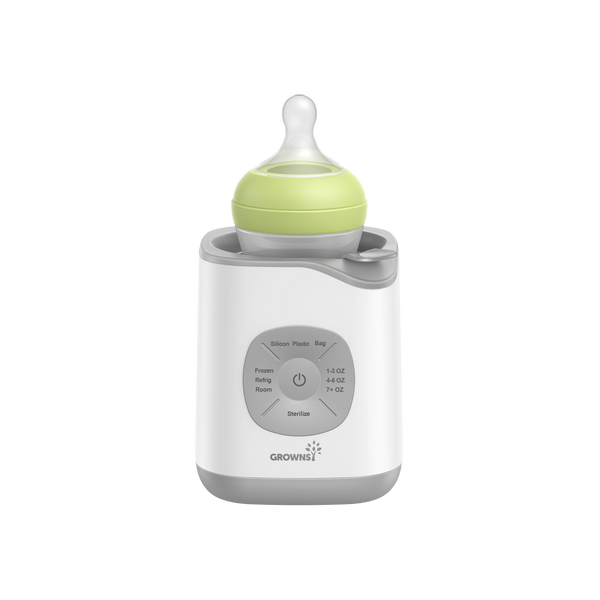
- Use a Professional Warmer: A high-quality bottle warmer with a gentle, low-temperature setting can bring the milk to body temperature, ensuring it doesn't overheat. Do not exceed 40°C (104°F).
Feeding from a syringe is simple. Hold your baby in a semi-upright position. Place the tip of the syringe into the corner of their mouth and slowly push the plunger, releasing one drop at a time to give them time to swallow.
Giving Your Baby the Best Start
Collecting and storing colostrum is an act of love that can provide invaluable benefits and peace of mind. By following these safe and simple steps, you can prepare a supply of "liquid gold" that ensures your baby gets the best possible start. It’s one of the most rewarding preparations you can make and a true testament to the power of a mother's body. Understanding these steps makes it one of the most empowering baby essentials you can master.
FAQ About Colostrum
Q1.Only getting a few drops of colostrum; is this normal?
Yes, this is entirely normal and to be expected. Colostrum is produced in very small quantities. A good amount is 0.5 ml to 1 ml of colostrum at one sitting. Remember, it's quality, not quantity—every single drop is invaluable to your baby!
Q2.Will collecting colostrum antenatally induce labor?
It is highly unlikely to induce labor for most women having a low-risk pregnancy beyond 37 weeks of gestation. It is not entirely risk-free; otherwise, you wouldn't need to take approval from your doctor or midwife before attempting it. Your doctor or midwife will advise you against attempting it if you have any of the following: preterm labor in your past.
Q3.My colostrum is yellow (or clear/orange). Is this normal?
Yes, absolutely. And its color may range from thick and golden yellow to orange or even transparent and runny, while full of “the same powerful nutrients and antibodies.
Q4.Can I mix colostrum collected at different times?
Yes, you can certainly pool your colostrum if it is collected over a period of 24 hours. But to do this, you need to refrigerate your freshly extracted colostrum and once it is chilled, you can pool it together before you freeze it.
Q5.Why isn't a breast pump recommended for initial colostrum collection?
Breast pumps are designed for larger amounts of actual milk and not for small droplets of colostrum. It is very easy to lose colostrum inside the breast pump tubing or parts. You have total control while manually expressing your colostrum to extract each and every droplet right into a syringe or a spoon.
Q6.What is the best way to feed colostrum from a syringe?
The most effective method is to position your baby semi-upright. You insert the tip of the syringe between your baby's cheek and gum at the corner of his or her mouth. Push down on the plunger to squirt a droplet at a time while your baby swallows each one at his or her own pace. Let your baby swallow each droplet at their own pace to stay safe and comfortable.
Q7.Should I feed my baby cold colostrum?
While it is not dangerous to give your baby cold or room-temperature colostrum, your baby may find it easier to feed after warming it to body temperature. This is not really significant to your baby's safety but is all about making your baby comfortable. You can warm it by placing it inside a bowl of warm water or by using a bottle warmer.


