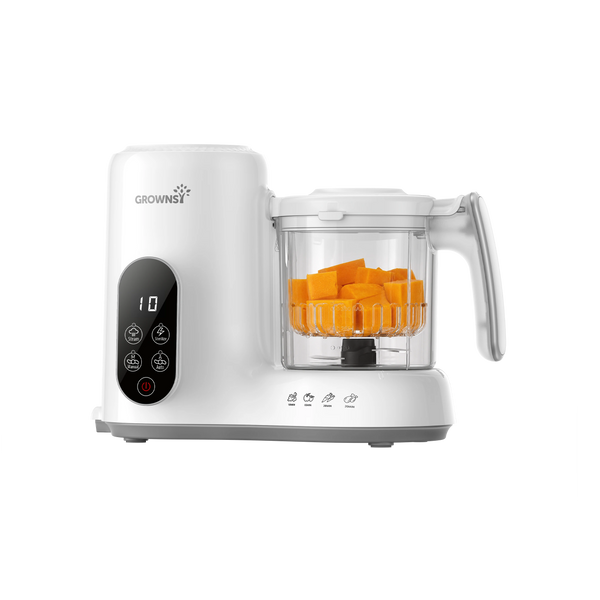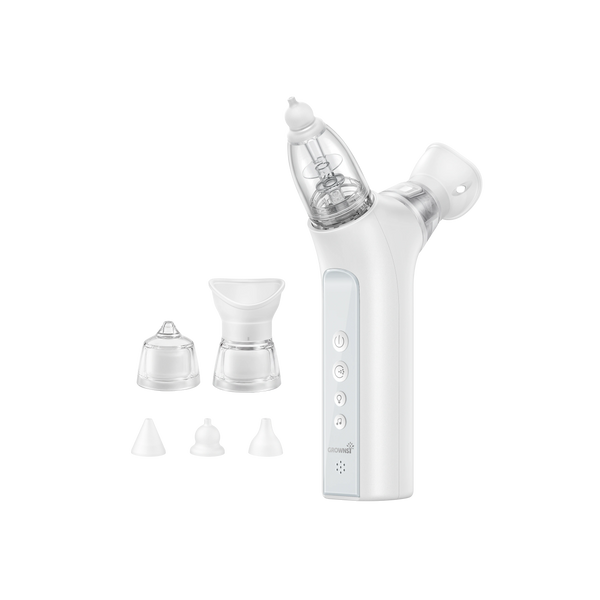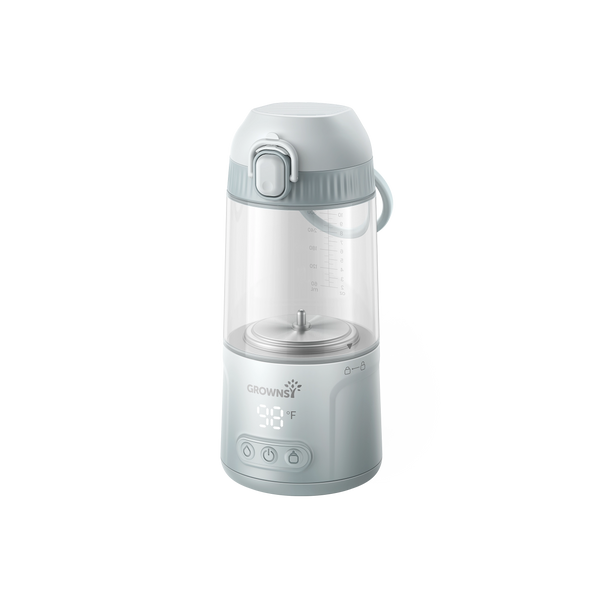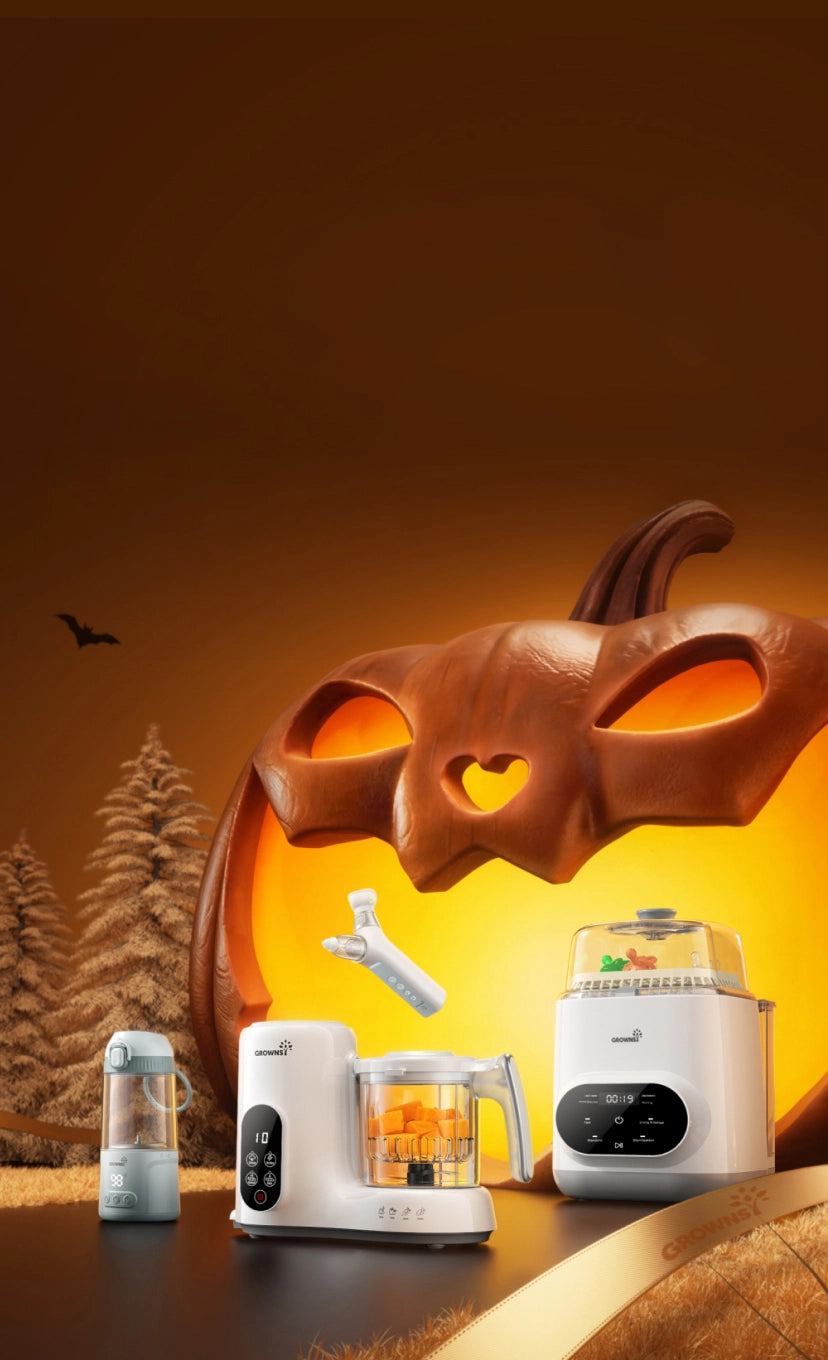
GROWNSY: Official Store for High-Quality Baby Care Products

Every parenting moment matters

From midnight feeds to first bites, we're here to help.

Best Sellers Loved by Parents

Our most popular essentials, ready to make parenting easier.

Explore the Range

Looking for something specific?

trusted by the media

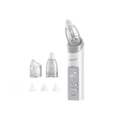
“This aspirator saves you a sore thumb. No constant pushing on a bulb to create suction—electric nasal aspirators work with just the press of a single button. Parents love this one.“

“The electric Grownsy Baby Nasal Aspirator opens a new window plays music and lights up to distract your little one long enough to let you suck out the offending boogers before they have time to bat away the device.“

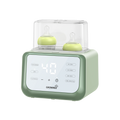
Parents of twins, rejoice. Unlike pretty much every bottle warmer on the market, this one holds two bottles at a time. Impatient kids will also appreciate the dual capacity.“

Real Stories. Real Trust.

Millions of parents trust grownsy to make parenting easier

Perfect for baby

This is one of the products that people either say you need and will love or is a waste of money. I would absolutely say that this has been one of, if not the best purchase that I made prior to my newborns arrival. 

Angelyna

Get it! first time mom

First time mom and this thing is very easy to use. It has three different silicon head types, three suction levels, music and lights. My baby gets a little fussy at first but then doesn’t mind it.

Devan

baby food maker

Absolutely love this baby food maker! It makes just the right amount and works really well. The steamer cooks the food perfectly and then the blending feature works great and gets those purées to the perfect texture for your baby

Megan Hall

Great botlle warmer

Great warmer! We’ve had this thing for 2 years now, first used to warm bottles and now used to warm sippy cups of milk. With baby #2 coming, we went ahead and ordered the same one again. 

ChrissyB

Excellent bottle warmer

My wife and I ordered this bottle warmer as we liked its versatility with all the different functions it has to offer. Not to mention it’s much more aesthetically pleasing than other products we’ve looked at. 

JL

Compact!

Purchased it for my travels, it doesn’t use very much distilled water! We love the compact size. I was able to fit 4 pigeon bottles & 1 long bottle (dr. Brown for reference) my pump parts, and everything else.

Natalie Williams

Highly recommend!

Such great quality, love the safety of the camera installation directly to the metal on the headrest, and has a large radius, allowing me to see both kids on one camera with captain seats!

Megan Hall

Amazing Carrier!

My little one spends a few hours a day in this. It’s super easy to put on and is comfortable for me to wear for long periods at a time. Highly recommend to anyone looking for an affordable, comfortable, and easy to put on.

Blake

What's Happening at Grownsy?

Special deals, parenting events, and ways to join our community.

Learn. Care. Grow with Grownsy

Practical advice for every stage from pregnancy to toddler years.

Oral health is a critical component of a child's overall well-being, yet it is often overlooked in the early stages of infancy. Many parents believe that dental care begins only when the first tooth appears, but proper hygiene should start from birth. Early habits set the foundation for a lifetime of healthy smiles. This guide explains how to care for children's oral health, preventing cavities and ensuring proper development from the very first days of life.

Why Start Oral Care Before Teeth Erupt?

A baby's oral health begins long before the first white tooth breaks through the gum line. Milk residue and bacteria can accumulate on the gums and tongue, creating an environment that creates an environment that increases the risk of decay once teeth erupt. Establishing a clean oral environment ensures that when primary teeth do erupt, they come into a healthy mouth.

Bacteria that cause tooth decay can live on the gums. By wiping the gums daily, you reduce the bacterial load in the mouth. This simple act also helps the baby get used to the sensation of having their mouth cleaned, making the transition to a toothbrush much easier later on.

How to Clean an Infant's Mouth

For newborns and infants under six months, you do not need a toothbrush or toothpaste. The goal is simply to remove milk residue and keep the gums clean.

The Daily Routine

Wrap a clean, damp washcloth or a sterile gauze pad around your index finger. Gently wipe the baby's gums, the roof of the mouth, and the tongue. Do this at least once a day, preferably after the last feeding before sleep. Be gentle to avoid irritating the delicate mucous membranes.

Feeding Habits

If you bottle-feed, avoid letting the baby sleep with a bottle containing milk, formula, or juice. The sugars in these liquids pool around the gums and teeth, leading to "baby bottle tooth decay," also known as Early Childhood Caries (ECC), a severe form of cavities that can destroy teeth as soon as they appear.

Managing Epstein Pearls

New parents often notice small, white or yellowish bumps on their newborn's gum line. These are often mistaken for early teeth.

What Are They?

These are known as "horse teeth" or Epstein pearls. They are harmless, keratin-filled cysts formed from trapped epithelial tissue. They are not teeth and do not cause pain.

Do Not Pop Them

It is crucial not to pick, rub, or try to pop these bumps. Doing so can cause infection or damage the gum tissue. They typically disappear on their own within a few weeks as the baby's mouth develops. If you are concerned, show them to your pediatrician, but generally, no treatment is required.

Transitioning to a Toothbrush

Once the first tooth erupts, usually around six months of age, it is time to introduce a toothbrush. This marks a shift from gum care to actual tooth cleaning.

Choosing the Right Tools

Select a toothbrush specifically designed for infants. It should have a small head to fit comfortably in a tiny mouth and ultra-soft bristles to protect the gums.

To Use Toothpaste or Not?

For children under the age of three, use a smear of toothpaste the size of a grain of rice. Ensure the toothpaste is age-appropriate. If the child cannot spit yet, you can use fluoride-free toothpaste or simply water to avoid ingestion. Once the child learns to spit (usually around age three), you can switch to a pea-sized amount of fluoride toothpaste.

Establishing a Brushing Routine

Consistency is key. Brush your child's teeth twice a day: once in the morning and once before bed.

Positioning Matters

Find a comfortable position where you have a clear view of the child's mouth. For babies, it is often easiest to have them lie down with their head in your lap. For toddlers, standing behind them while they look in a mirror can help.

Technique

Brush gently in small circles, covering all surfaces of the teeth—outer, inner, and chewing surfaces. Do not forget to gently brush the tongue to remove bacteria that cause bad breath. Make the experience positive. If the child resists, try singing a song or letting them hold a toy to distract them.

The Role of Diet in Oral Health

What a child eats is just as important as how they brush. Frequent snacking on sugary foods is the leading cause of cavities in young children.

Water is Best

Encourage your child to drink water after meals. Water helps rinse away food particles and sugars. It also promotes saliva production, which naturally neutralizes acids in the mouth. Avoid giving sugary drinks like soda or juice in a sippy cup, as this prolongs the teeth's exposure to sugar.

Healthy Snacks

Choose snacks that support dental health, such as cheese, yogurt, fruits, and vegetables. Calcium-rich foods help strengthen tooth enamel. Crunchy fruits and vegetables can also act as natural cleaners, scrubbing the teeth as the child chews.

Why Primary Teeth Are Important

Some parents mistakenly believe that because baby teeth fall out, they do not need care. This is a dangerous myth. Primary teeth serve critical functions beyond just chewing.

Guiding Permanent Teeth

Baby teeth act as placeholders for adult teeth. If a baby tooth is lost too early due to decay, the surrounding teeth may drift into the empty space. This can block the permanent tooth from erupting correctly, leading to severe crowding and the need for expensive orthodontic work later.

Speech and Nutrition

Healthy teeth are essential for proper speech development. Missing or decayed teeth can affect how a child pronounces words. Furthermore, pain from cavities can make eating difficult, leading to nutritional deficiencies that affect the child's overall growth and nutrition.

Conclusion: Building a Foundation for Healthy Smiles

Caring for a child's oral health is a long-term commitment that yields lifelong benefits. By starting gum care early, establishing a brushing routine, and monitoring diet, parents can prevent pain and costly dental procedures. Healthy primary teeth are the foundation for a healthy adult smile, proper speech, and good nutrition. Prioritizing oral hygiene from day one ensures your child grows up with a strong, confident smile.

FAQ

When should I take my child to the dentist for the first time?

The American Academy of Pediatric Dentistry recommends that a child should see a dentist by their first birthday or within six months of the eruption of their first tooth.

Is fluoride safe for babies?

Yes, in appropriate amounts. Fluoride strengthens enamel and prevents decay. However, because excessive ingestion can cause fluorosis (white spots on teeth), use only a rice-sized smear of fluoride toothpaste for children under three.

What if my child refuses to brush their teeth?

Make it a game. Let them choose their own toothbrush, brush a doll's teeth, or use a timer app with music. Persistence is key; do not give up, as oral hygiene is non-negotiable for health.

Can breastfeeding cause cavities?

Breast milk itself does not cause cavities, but frequent feeding at night without cleaning the mouth can lead to decay. Milk residue combined with other foods creates an acidic environment. Always wipe the gums or brush after the last feeding of the day.

A blocked nose can be a source of distress to a baby, and as a parent, one of the first solutions that comes to mind is the nasal aspirator. However, for many parents, as soon as the nasal aspirator is produced, smiles turn to tears. This is not uncommon, making what is a useful activity a source of stress for both parent and child. The positive thing about this fear is that it can be overcome.

Understand what's causing the anxiety, and using the right techniques and tools, you can transform nose-clearing from a battle into a calm, caring routine.

Pinpoint the Problem: Is It the Noise, the Sensation, or the Restraint?

A person's hand placing a compact, white and clear baby nasal aspirator into a gray travel bag, emphasizing portability.

Before looking for a solution, however, the cause of fear in your baby needs to be identified. Tears are the only way a baby can alert others about a problem. While crying is a primary signal, babies also communicate discomfort through facial expressions, body movements, and other sounds. A fear of the baby nasal aspirator in a baby is mostly linked to three factors. Observe their reaction, you can often figure out which one is the main culprit.

Some babies are overly sensitive to those sounds. An electric nasal aspirator is not too loud to our ears, but in a tiny baby’s ears, that’s what a roaring monster sounds like. Others will experience fear through touch. A new sensation in one nostril combined with bizarre sensations of pulling through suction is unpleasant. Lastly, having a fear of the sensation of being held down is common in babies. This sensation of human hands holding one’s body, no matter how lightly, is a lack of control that a baby will find petrifying. Realizing what kind of fear a baby has is the first place to start in looking for the best way to use a nasal aspirator on a baby.

Solution for Noise Sensitivity: The Rise of Ultra-Quiet Aspirators

A scream of fear in response to the loud humming of an electric nasal aspirator is not uncommon in a child. Recognizing this broad concern, manufacturers of such aspirators have come out with new products that feature quiet motors. These new variants come with motors that operate at barely audible decibels. This is often characterized as a gentle hum or whisper. This is sufficiently quieter, making the device less scary, thereby enabling a parent to use the device to remove mucus from their nasal passage.

Conversely, if one needs the absolute quietest possible solution, a manual nasal aspirator is the only way to go. However, it's worth noting that many modern electric models are also designed to be ultra-quiet. There are primarily two variations of manual nasal aspirators: the conventional bulb syringe and mouth-suction (hygienic) aspirators. Because of the absence of a motor in manual nasal aspirators, they result in zero sound. In reality, the process of suction does create some minor sound, though it is motor-free. It will only require a little extra of one’s personal time, their silence can be the key to success for a sound-sensitive baby. Choosing a quiet device can instantly lower the stress level for everyone involved.

Solution for Uncomfortable Sensations: The Importance of Fit and Material

If the issue is the sensation itself, comfort is paramount. A sudden sensation of a hard plastic tip or improper suction can be alarming and unpleasant. Ergonomics honed in the best nasal aspirators aim to alleviate this as much as possible.

Soft, Medical-Grade Silicone Tips

Opt for a nasal aspirator whose tip is made of soft, flexible medical-grade silicone. This is preferable to plastic as it is kind to the sensitive lining in the nostrils of the infant. It is also more effective in creating a seal around the nostril entrance, enhancing the efficiency of the suctioning process without having to insert it too far.

The Right Fit for Every Age

It is not possible to apply a one-size-fits-all solution when it comes to a developing infant. Aspirators that are of high quality often come with multiple sizes of tips. A small tip is ideal for a newborn aspirator, but a toddler tip will be much wider. This not only will ensure a seal is attained, but it will also help in not inserting too far into the nostrils of the infant, making this a much more pleasant experience.

To prevent discomfort and potential backflow that causes screams, choose a high-quality model like the GROWNSY aspirator, which features a patented umbrella-shaped anti-backflow design.

Solution for Fear of Restraint: Making It Fast and Efficient

In the case of a baby that dislikes having any kind of restraint, the quicker this process is, the better. This is only a problem if the longer they experience restraint, the more agitated they will become. Speed is what will help you in this particular instance. First of all, make sure that everything is ready before tackling the problem yourself. This will mean having the nasal aspirator ready, the saline solution beside you, and a tissue in hand. It is no use having a frustrated baby in your grasp as well as having to try to locate everything that is needed. A second pair of hands is a great idea in this situation as well. Your partner can offer a comforting hug to the frustrated infant while you try to get the mucus out. For more guidance, explore common mistakes parents make when clearing their baby's nose.

A smiling baby stands with support, wearing a soft onesie, while a nasal aspirator and saline solution sit ready on a nearby tray—highlighting quick, calm care for baby's comfort.

Introduce "Happy Distractions": Using Light and Sound to Your Advantage

One of the most effective strategies for overcoming fear is distraction. A baby's attention can be easily redirected, and many modern electric nasal aspirators are designed with this in mind. They transform a scary medical device into an engaging toy.

Many models now come equipped with built-in features to capture a baby's attention:

  • Colorful Lights: A soft, color-changing light can be mesmerizing for a baby. It gives them something interesting to focus on other than the fact that you are about to clean their nose.
  • Soothing Music: Some aspirators play gentle lullabies or cheerful tunes. The music not only provides a pleasant distraction but also helps to mask the sound of the motor, addressing noise sensitivity at the same time.

If your aspirator doesn't have these features, create your own distractions. Turn on their favorite cartoon, sing a silly song loudly, or give them a special toy that only comes out during nose-cleaning time. Shifting their focus can make them forget to be scared.

Build Trust: A Step-by-Step Desensitization Plan

For a baby with a deep-seated fear, you need a long-term strategy focused on building trust. The goal is to slowly reintroduce the infant nasal aspirator in a positive, no-pressure way. This process, known as desensitization, helps them learn that the device is not a threat.

Follow these steps patiently, moving to the next one only when your baby is comfortable:

  • Step 1: Neutral Introduction. Leave the aspirator (turned off) where your baby can see it and touch it during playtime.
  • Step 2: Get Used to the Sound. Turn it on briefly in the same room but away from your baby.
  • Step 3: Gentle, Playful Touch. With the device off, playfully touch their hand, arm, and cheek.
  • Step 4: The Quickest Attempt. Try one very quick (1–2 second) suction on the lowest setting.
  • Step 5: Positive Association. Always end every session with praise and comfort.

Final Thoughts: Overcoming Baby's Nasal Aspirator Fear

Getting past your baby’s fear of the nasal aspirator is a process of patience, understanding, and effective use of tools. By understanding what kind of fear your baby is afraid of—whether the sound, touch, or restraint—you can pick the appropriate device according to that fear.

Whatever the strategy, making sure that fear is replaced by smiles of relief is possible only if you use these techniques effectively to ensure that your baby can breathe easily. Ensuring you have the right tools is a key part of a stress-free experience, and a complete baby care kit can prepare you for any situation.

With a congested nose, it’s hard for your baby to eat, sleep, and even breathe. An electric nasal aspirator from the new generation represents an effective and quick solution for parents in such situations. However, the device features varied suction force levels, raising the questions of which level to opt for and why the choice of the suction force level matters for the device’s effectiveness as well as the baby’s comfort and health.

GROWNSY offers a range of high-quality baby care products designed to help parents with these challenges.

Why Do Modern Nasal Aspirators Have Multiple Suction Levels?

Why Do Modern Nasal Aspirators Have Multiple Suction Levels?

One size doesn’t fit all children, and manufacturers of nasal aspirators understand this fact. The varied suction powers are designed for the increasing needs of the growing child. Requirements for a baby’s suction needs vary greatly depending on the baby’s age, the type of illness, and the consistency of the mucus.

Newborns’ nostrils are small and easily damaged, so great care must be taken when suctioning them. A toddler’s nostrils are larger and allow the use of greater force. In addition, the thin, watery mucus associated with teething is distinct from the thick, sticky mucus associated with the bad cold. The ability to choose the level of power you are using makes it possible to tailor the suction device to the task at hand. This ensures you are able to effectively remove the congestion and at the same time are not using so much force that it causes pain or irritation.

The "Low" Setting: For Newborns and Everyday Loosening

Your first choice will be the lowest suction power setting. You can consider this as "Daily Cleaning," which is for the most sensitive babies and situations.

Ideal for Newborns (0-6 Months)

A newborn’s nostrils are quite narrow and sensitive. A low speed will provide the amount of power required to remove the thin mucus. This will be sufficient until the child is six months old. However, it's important to note that some experts suggest babies may require stronger suction levels as they approach six months old. It is powerful enough to remove the watery mucus in the nostrils, yet gentle on the small nostrils. Understanding the common causes of newborn congestion can provide additional peace of mind for new parents.

Perfect for Daily Maintenance and First-Time Use

Your baby’s nose can get a little bit of mucus or dust inside even when they are not sick. A quick use of the low setting can keep their nose clear. This stops small blockages from turning into bigger problems. If you are using a nasal aspirator for the first time, always start on the lowest setting. This helps your baby get used to the feeling and sound of the device, so it will be less stressful later. It's a great way to make them feel comfortable with the process.

The "Medium" Setting: Tackling Thicker Mucus from a Common Cold

Your baby will grow, or maybe the illness will progress. You will possibly find that the lowest speed is not powerful enough. A stronger congestion, as in a common cold, calls for the medium speed setting. This speed setting has greater pulling power, making it suited for a more viscid mucus discharge. Recognizing the key symptoms of congestion can help you decide when it's time to use a nasal aspirator.

This is more suited to babies over six months old, as they will already have more developed nasal passages. You can consider the use of the medium setting if you notice that the mucus is no longer thin and watery in consistency, as this is a sign that the mucus is thick rather than a translucent consistency. It gives the extra pull needed to get this sticky mucus out. This offers real relief and helps your baby breathe more easily. It has a good balance of being strong but not too harsh for their nose.

The "High" Setting: For Stubborn Congestion and Post-Saline Use

You will only need the greatest level of suction power in extreme cases of congestion. This is what I consider to be your "strong" setting. It is not what I recommend as a first choice, overall, but rather a secondary option if the lower settings will not help. It is a powerful device that will remove thick mucus from high in the nasal passages that refuses to budge in a sinus infection or during the peak of a nasty cold.

However, there is a certain rule that needs to be followed in these circumstances, which needs to be kept in mind at all times. The first thing that needs to be done is the usage of the saline spray or saline drops. High suction power will not help in this situation of dry mucus, as well as causing irritation in the nostrils. Saline spray/drops help in making the mucus loose. After the use of the saline spray/drops, one needs to wait for approximately 30 to 60 seconds to see the result of the saline spray/drops. After that, the device needs to be used on high suction power only for a few seconds in both nostrils.

A Pro-Tip: Mastering the Technique for Better Results

A Pro-Tip: Mastering the Technique for Better Results

Using the nasal aspirator properly may be very important in effectively and safely clearing the nose. Doing it right may allow you to fully utilize the power of suction while keeping your baby comfortable at the same time.

It’s very hard to suction the nose of the baby if he/she lies flat on the back. The mucus may then go to the throat of the baby. On the other hand, what you should do is try to elevate the head of your baby. To do this for small babies, you may need to hold the baby inside your arm so the baby’s body will be in an elevated position. On the other hand, for older babies and toddlers, the best thing for you to do is to sit the baby on your lap so the baby will be sitting up. This position uses gravity to help the mucus move to the front of the nose. Then it can be suctioned out easily.

To function effectively, its silicone tip needs to make a gentle seal on the outside of your baby’s nostril. Try not to insert the shaft very far up the nostril. Rather, press the shaft gently against the opening of the nostril to seal it off. In this manner, the suction pressure will be easily established to remove the mucus from the nostril effectively. You may have to maneuver the shaft slowly from side to side to locate the right spot to remove the mucus effectively.

Safety First: Golden Rules for Using Any Suction Level

Your baby's safety is most important, no matter which power level you use. Follow these basic rules to make sure every use is gentle, safe, and effective.

  • Always Use a Soft Silicone Tip: The tip that enters the nostrils of the baby must be made from soft, medical-grade silicone to prevent it from scratching or hurting the delicate interior of their nose.
  • Keep suctioning brief: Do not suction one nostril for more than a few seconds at a time; try for 3-5 seconds. Suctioning for too long can cause irritation.
  • Give Breaks In Between: After suctioning one nostril, give your baby a short break to breathe and relax. Then you can move to the other side or try again.
  • Angle the Tip Carefully: The tip should point toward the side or back of the nostril. Keep it away from the middle part of the nose, or septum.
  • Clean the Device Thoroughly After Every Use: You have to do this. Mucus carries germs and viruses. After use, take it apart and wash all the removable parts with warm, soapy water. This prevents mold and your baby from getting sick again.

When to Call a Doctor

A nasal aspirator is a great tool for normal stuffiness, but it does not replace a doctor’s advice. You should know the signs that mean your baby might need to see a doctor. If you see any of these things, call your doctor:

  • High or Prolonged Fever: A fever in a newborn (less than 3 months) or a high fever in an older baby is a call-the-doctor reason.
  • Labored Breathing Signs: The wide opening of nostrils, quick breathing, or when the skin pulls in around their ribs or neck.
  • Refusal to Eat or Drink: Your baby might become dehydrated if their nose is so congested that they can't nurse or bottle-feed for several feedings.
  • Too Much Irritability or Lethargy: If the baby is much fussier than usual and can't be soothed, or if the baby is unusually sleepy and hard to awaken.
  • Symptoms of an Ear Infection: Pulling at the ears can be a sign of an ear infection, especially with a fever and a stuffy nose.

Final Thoughts: Choosing the Right Nasal Aspirator Suction Level for Your Baby's Needs

Choosing the appropriate power of the nasal aspirator for your baby means paying attention to their needs. For a comprehensive approach, consider exploring an ultimate baby care set that includes all the essentials for your little one. Use the lowest setting for newborns and daily care, medium for a common cold, and the high setting only after saline for very bad stuffiness. Once you learn the right power level to use in conjunction with safe methods, you can give your little one fast and good relief. This helps them get back to what is important: breathing easy, sleeping well, and feeling better.