Pregnancy Care
5 out of 5 stars 170,000+ 5-Star Reviews

Pregnancy Care

Prepare for birth with more confidence. Explore pregnancy care designed to support gentle perineal massage and pelvic floor preparation before delivery.
  • Safe Materials
  • Mom-Approved
  • Smart Design
  • Complete Care

Explore More Collections

4-in-1 Bottle Washer Sterilizer and Dryer

4-in-1 Bottle Washer Sterilizer and Dryer

$289.99

"It's the rare baby gadget that earns its spot on the counter by giving you something you actually need: a little more time back."

This $70-off baby gadget makes bottle duty actually tolerable

Reach 10.4M
Ranking Position #12
Publication Date: Nov 23, 2025

Pregnancy Care FAQs

What is perineal massage during pregnancy?

Perineal massage gently stretches the tissue between your vagina and anus to help prepare it for vaginal birth. It also gives you a chance to practice relaxing as you feel pressure and stretching.

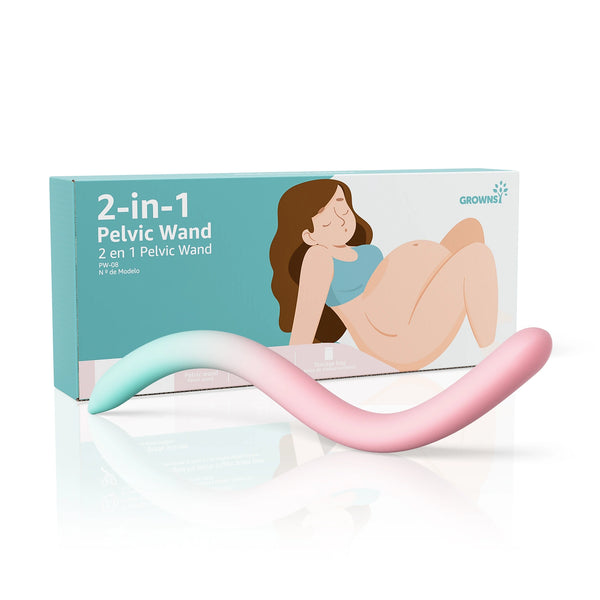
If you prefer a tool, the Grownsy Perineal Massage Wand features a thicker end for prenatal perineal massage and soft, flexible silicone for gentle contact. Check with your doctor or midwife before starting.

When should I start perineal massage?

Around 34–35 weeks is a common starting point, once your doctor or midwife confirms it’s appropriate for your pregnancy. This gives you time to become familiar with the technique before birth.

Starting earlier isn’t necessarily more helpful. If you’re preparing ahead, read your tool’s instructions and discuss any pregnancy complications with your provider before your first session.

Can perineal massage prevent tearing during birth?

It may reduce the risk of perineal trauma requiring stitches or an episiotomy, but it cannot prevent every tear. The evidence is particularly encouraging if this is your first vaginal birth. Gentle massage helps you become familiar with stretching and practice relaxing the area. We provide an option for performing prenatal massage, which is a practical addition to birth preparation, with realistic expectations.

How often should I do perineal massage?

Three to four sessions a week, lasting about 3–5 minutes each, is one commonly recommended routine. Your doctor or midwife may suggest a different schedule based on your needs.

Choose a quiet moment when you can relax, such as after a warm shower. Follow your tool’s instructions, keep pressure gentle, and stop if it hurts—you don’t need to turn birth preparation into another demanding task.

How do I use a prenatal pelvic wand safely?

Start with your provider’s approval and follow the instructions for your specific wand. For Grownsy, the thicker end is intended for prenatal perineal massage.

· Prepare: Clean your hands and tool, apply a compatible lubricant, and settle into a supported position.

· Check placement: Use the included mirror and massage guide to help you get oriented.

· Stay gentle: Follow the guide’s positioning instructions and aim for a mild stretch. Stop if you feel pain.

If placement or pressure feels unclear, ask your midwife or pelvic floor physical therapist to guide you.

What lubricant should I use with a perineal massage tool?

Choose a fragrance-free lubricant labeled compatible with your tool’s material and suitable for vaginal use. A water-based option is a practical starting point, provided your tool’s instructions allow it.

· Check compatibility: Grownsy’s wand is silicone, so don’t assume every massage oil or silicone-based lubricant is suitable.

· Keep it comfortable: Avoid ingredients you’re sensitive to, and stop if irritation develops.

· Clean afterward: Follow the supplied cleaning and drying instructions.

The right lubricant reduces friction so you can focus on gentle, controlled movement.

Is a perineal massage tool easier than using my hands?

without an extra purchase, while a dedicated tool gives you another way to perform the massage.

The Grownsy Perineal Massage Tool combines a soft silicone surface, a thicker prenatal massage end, and an included mirror and guide to help you get started. If you prefer a tool, these features make it a practical option to discuss with your provider.