Postpartum Care
5 out of 5 stars 170,000+ 5-Star Reviews

Postpartum Care

Recovery deserves comfort and practical support. Explore postpartum recovery products for perineal care, soothing relief, and pelvic floor self-care after birth.
  • Safe Materials
  • Mom-Approved
  • Smart Design
  • Complete Care

Explore More Collections

4-in-1 Bottle Washer Sterilizer and Dryer

4-in-1 Bottle Washer Sterilizer and Dryer

$289.99

"It's the rare baby gadget that earns its spot on the counter by giving you something you actually need: a little more time back."

This $70-off baby gadget makes bottle duty actually tolerable

Reach 10.4M
Ranking Position #12
Publication Date: Nov 23, 2025

Postpartum Care FAQs

What postpartum recovery products do I really need?

Start with bleeding protection, gentle cleansing, and relief for soreness:

· Postpartum pads and comfortable underwear to manage bleeding.

· A peri bottle to rinse when wiping feels uncomfortable.

· Cold packs to soothe perineal swelling after vaginal birth.

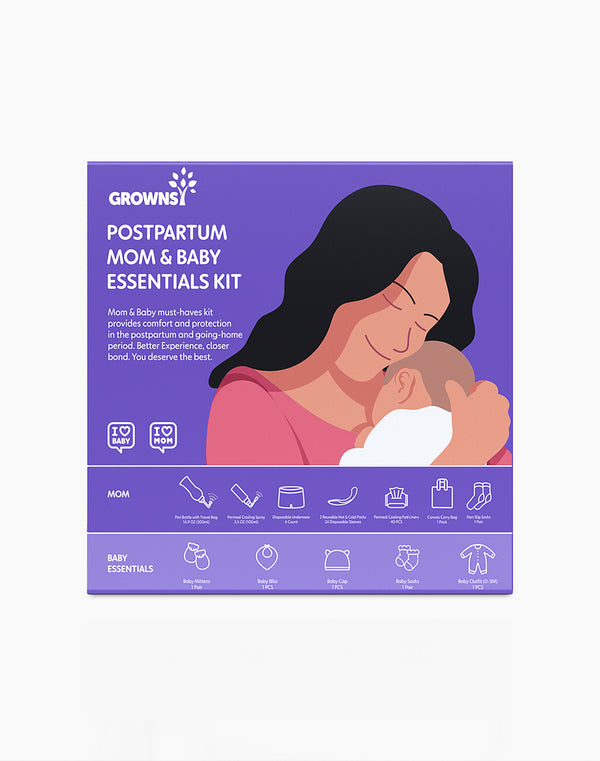
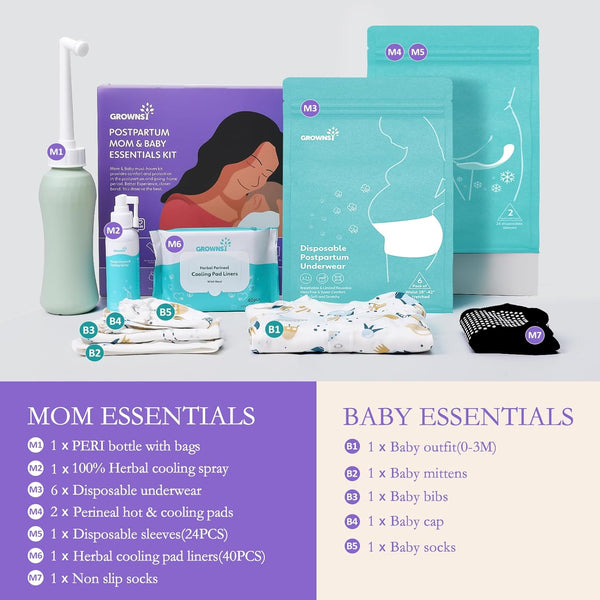
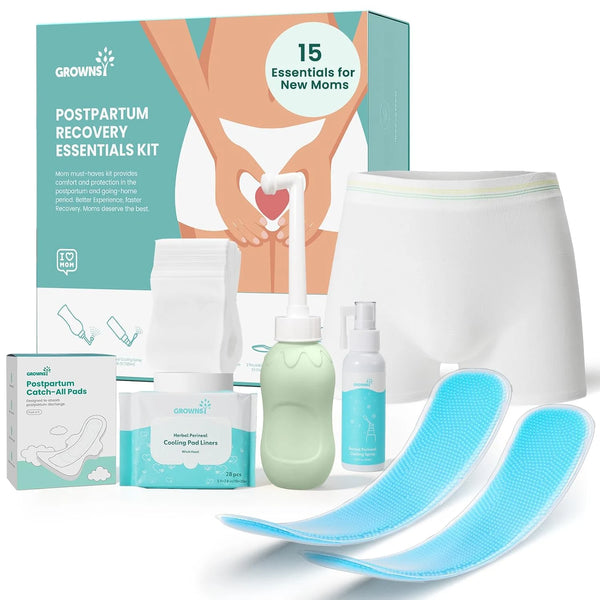
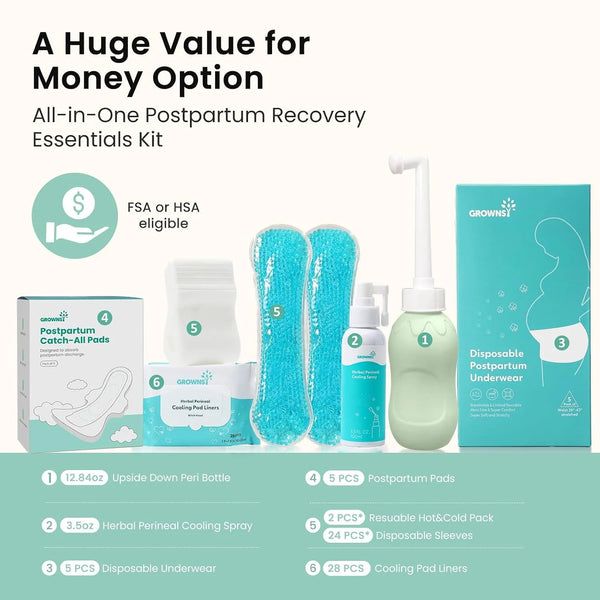
The Postpartum Recovery Kit brings these basics together, including 5 pads, 5 disposable underwear, 2 hot and cold packs, and a 380 mL peri bottle. It’s a convenient starting supply; add refills and any clinician-recommended care as needed.

How long does postpartum recovery take?

The first six weeks are an early recovery period, not a deadline for feeling fully recovered. Soreness and bleeding usually ease over several weeks, while pelvic floor symptoms, C-section healing, and energy levels may take longer.

Focus on steady improvement and keep your postpartum appointments. Pads, gentle rinsing, and appropriate comfort measures can support your daily routine, but worsening pain or difficulty with everyday activities deserves medical attention.

How should I care for the perineal area after a vaginal birth?

Keep the area clean, avoid rubbing, and follow your care team’s instructions for stitches.

· Rinse gently: Use comfortably warm water while urinating, then pat dry from front to back.

· Change pads regularly: Wash your hands before and after.

· Soothe swelling: Use a covered cold pack for short sessions as directed.

Grownsy’s peri bottle has a 75° angled spout and 14 spray holes, helping you direct water where it’s needed without awkward reaching. Contact your provider for worsening pain, foul-smelling discharge, or opening stitches.

When can I use a pelvic wand after birth?

Wait until your clinician confirms that healing is complete enough for vaginal insertion. A six-week appointment is a chance to discuss this, rather than automatic clearance.

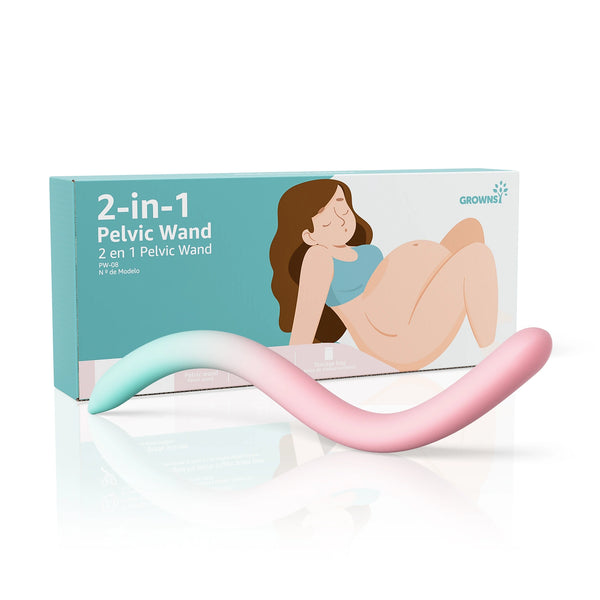
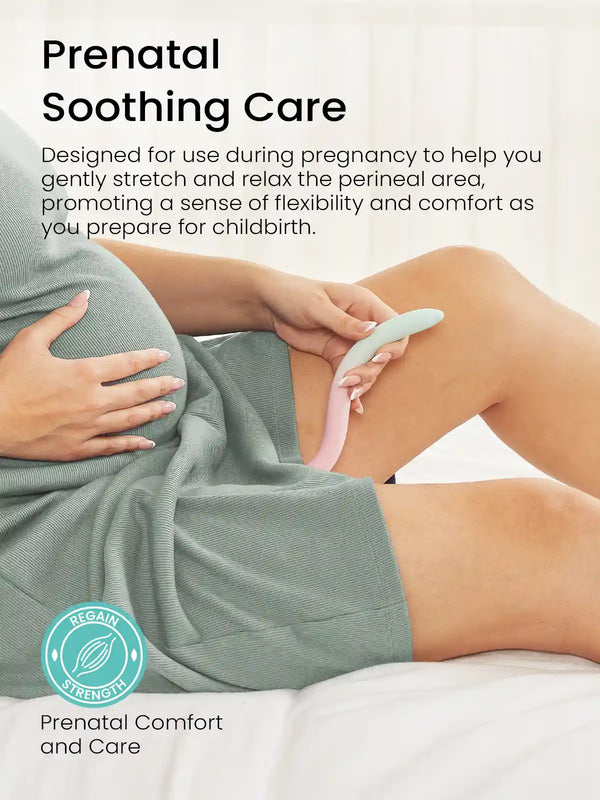
If your pelvic floor therapist recommends massage, the Pelvic Wand offers soft, flexible silicone and a slimmer end for targeted contact. Ask your therapist to show you suitable placement and pressure. Avoid use on open wounds, with infection, or during ongoing postpartum bleeding; stop for pain or renewed bleeding.

Can I use a pelvic wand after a C-section?

Sure—once you’ve healed and your clinician confirms it’s appropriate. Pregnancy places demands on the pelvic floor even when you don’t deliver vaginally.

If you have pelvic pain, pressure, or difficulty relaxing, a pelvic floor physical therapist can assess whether massage would help. A wand may be one part of that plan, but it doesn’t treat your abdominal incision or replace C-section wound care.

What postpartum pain is normal, and when should I seek help?

Cramping, perineal soreness, and incision discomfort can occur after birth, but pain should generally improve rather than intensify.

Seek immediate medical care for:

· Bleeding that soaks one or more pads in an hour, or clots larger than an egg.

· Chest pain, trouble breathing, or fainting.

· A severe or persistent headache, especially with vision changes.

· Fever of 100.4°F (38°C) or higher.

· One-sided leg swelling or pain, or severe, worsening abdominal pain.

Don’t wait for your next appointment if something feels wrong.

How do I keep postpartum recovery products hygienic?

Keep clean supplies separate from used items, and follow each product’s cleaning instructions.

· Pads, underwear, and liners: Replace disposable items regularly; don’t wash and reuse them.

· Peri bottle: Clean as directed and allow it to dry between uses.

· Cold packs: Clean the pack as instructed and replace disposable sleeves after use.

· Pelvic wand: Clean before and after use, dry thoroughly, and don’t share it.

Our kit includes 24 disposable pack sleeves, making it easier to use a fresh cover for each session.

How do postpartum pads, cold packs, and a peri bottle help?

Each handles a different part of early recovery, so they work well together:

· Pads absorb postpartum bleeding without internal insertion.

· Cold packs offer temporary relief from perineal soreness and swelling.

· A peri bottle gently rinses the area when toilet paper feels uncomfortable.

These essentials are included in Grownsy’s recovery kit, helping you set up a practical bathroom care routine. Use cold packs with a protective layer for 10–20 minutes at a time, unless your care team or product instructions advise otherwise.

Is a complete postpartum kit better than buying items separately?

Absolutely. A kit is a great choice if you want the basics organized before your little one arrives, while buying separately offers more control over sizes and quantities.

Our Postpartum Recovery Kit combines bleeding protection, cleansing, and hot and cold packs in one purchase. It also includes perineal spray and cooling pad liners; check their ingredients and suitability with your provider if you have stitches or sensitive skin.

Compare the contents with your hospital’s supplies, then plan refills around what you actually use.

Grownsy Updates and News

Exclusive offers, parent events, and community updates