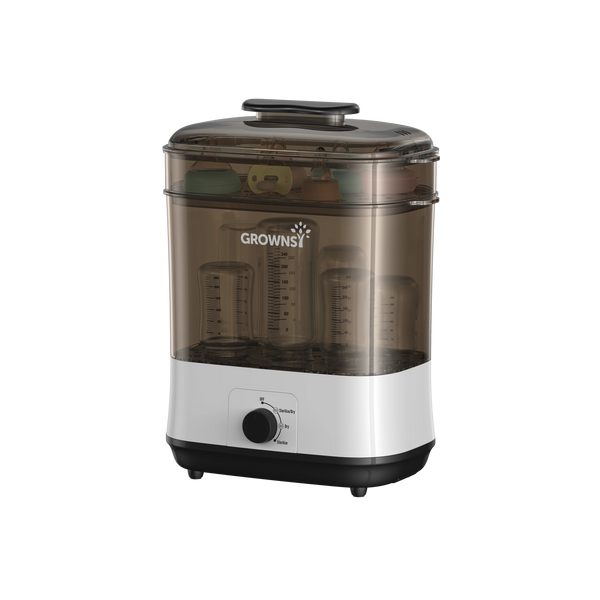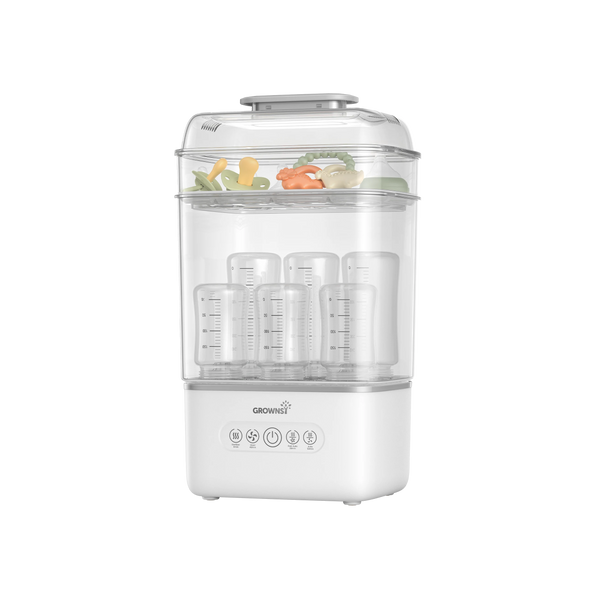
Baby Bottle Sterilizer
5 out of 5 stars 170,000+ 5-Star Reviews

Baby Bottle Sterilizer

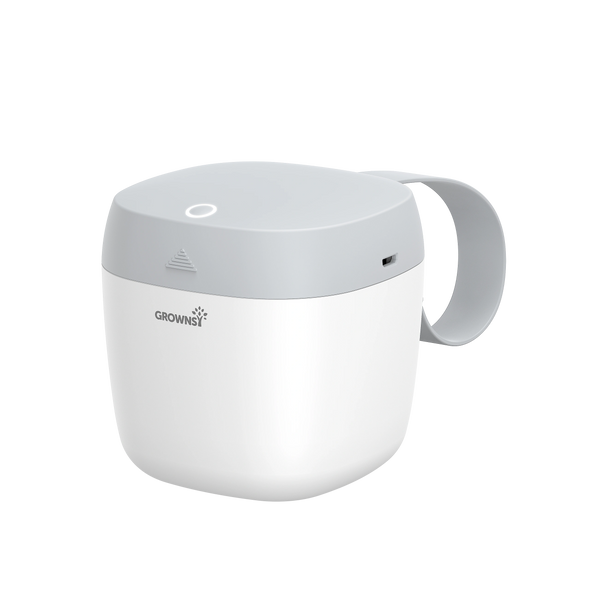
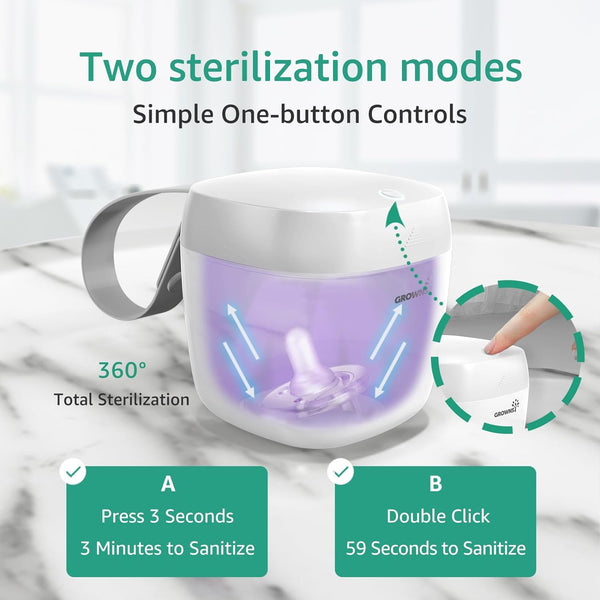
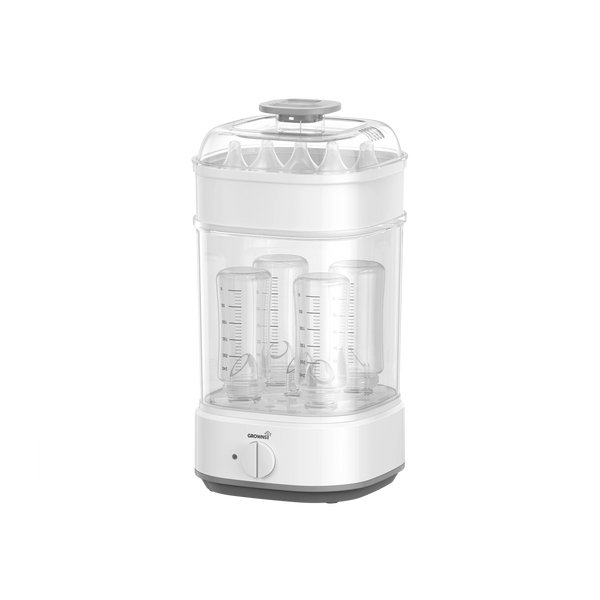
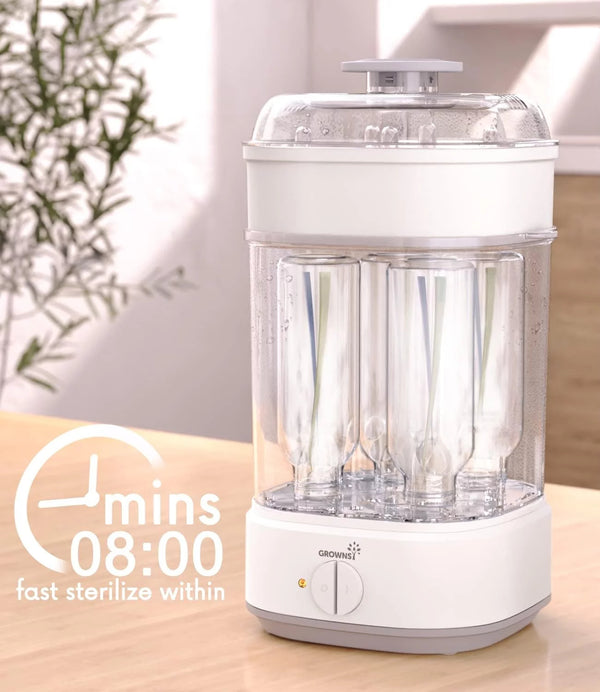
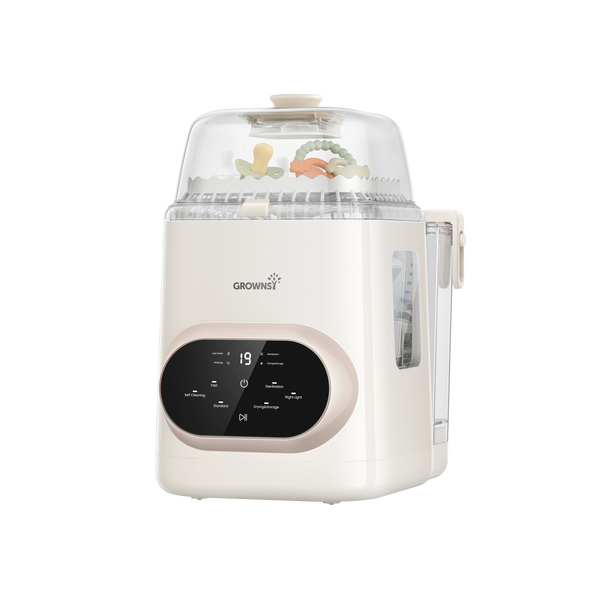
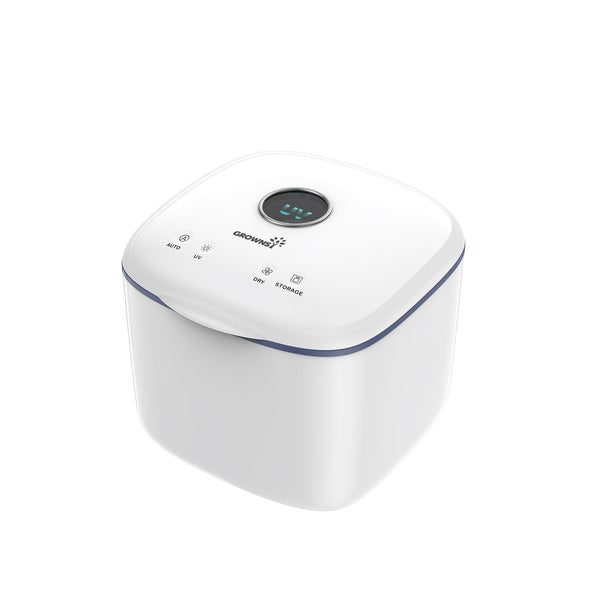
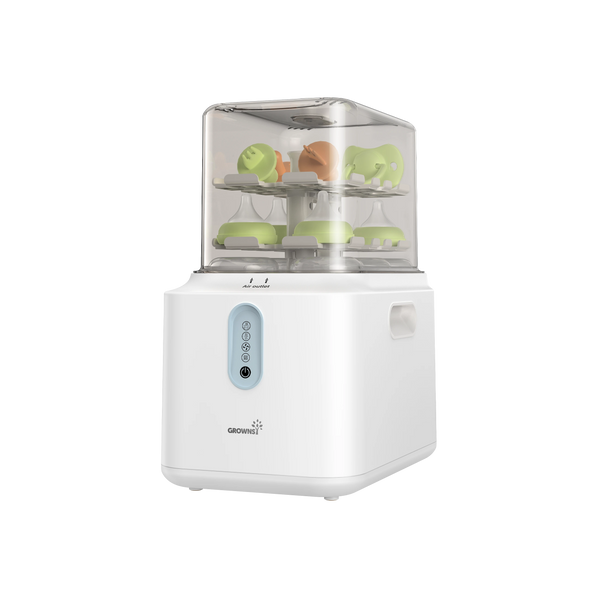
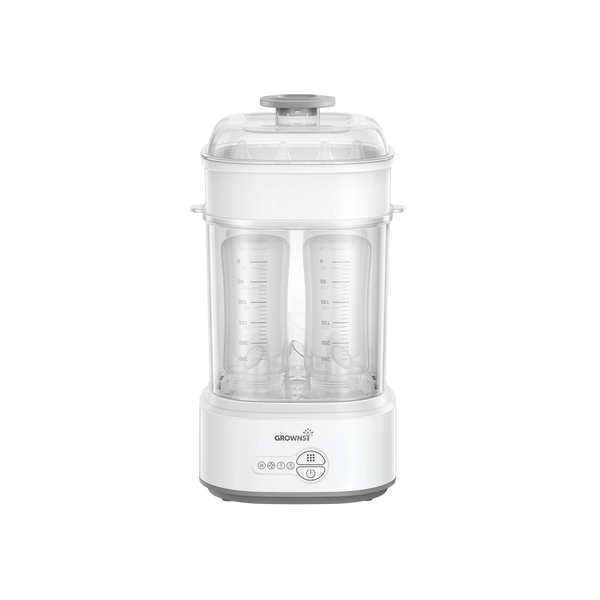
Your feeding routine may call for compact speed, extra capacity, or portable sanitizing. Our Grownsy baby bottle sterilizer collection covers steam sterilizers, filtered drying, 24–72-hour storage, tiered bottle-and-pump-part capacity, and travel-ready UV care.
  • Safe Materials
  • Mom-Approved
  • Smart Design
  • Complete Care

Explore More Collections

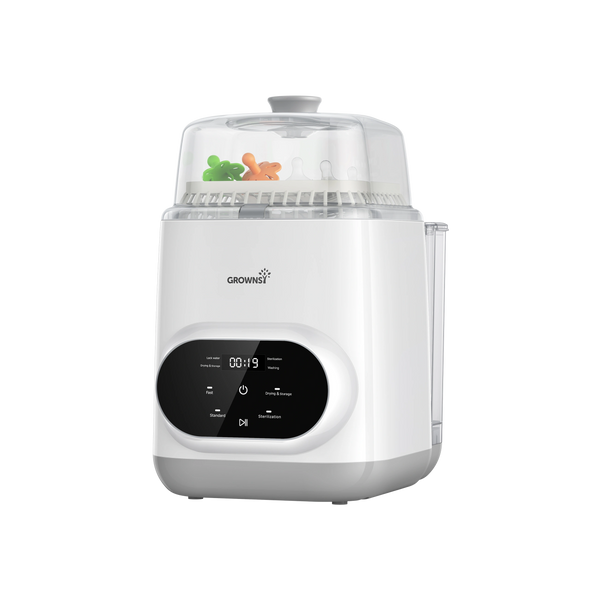
4-in-1 Bottle Washer Sterilizer and Dryer

4-in-1 Bottle Washer Sterilizer and Dryer

$289.99

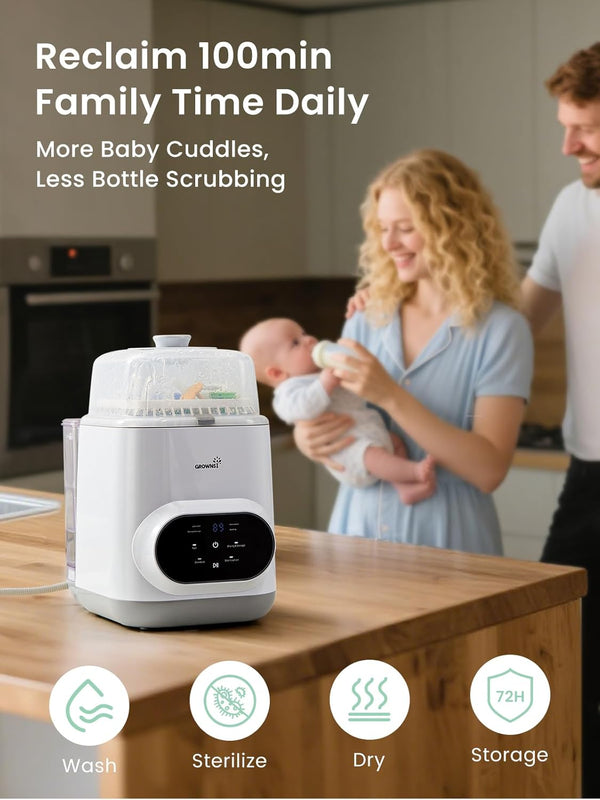
"It's the rare baby gadget that earns its spot on the counter by giving you something you actually need: a little more time back."

This $70-off baby gadget makes bottle duty actually tolerable

Reach 10.4M
Ranking Position #12
Publication Date: Nov 23, 2025

Feeding Bottle Sterilizer FAQs

Which is better: microwave sterilization vs. bottle sanitizer and dryer?

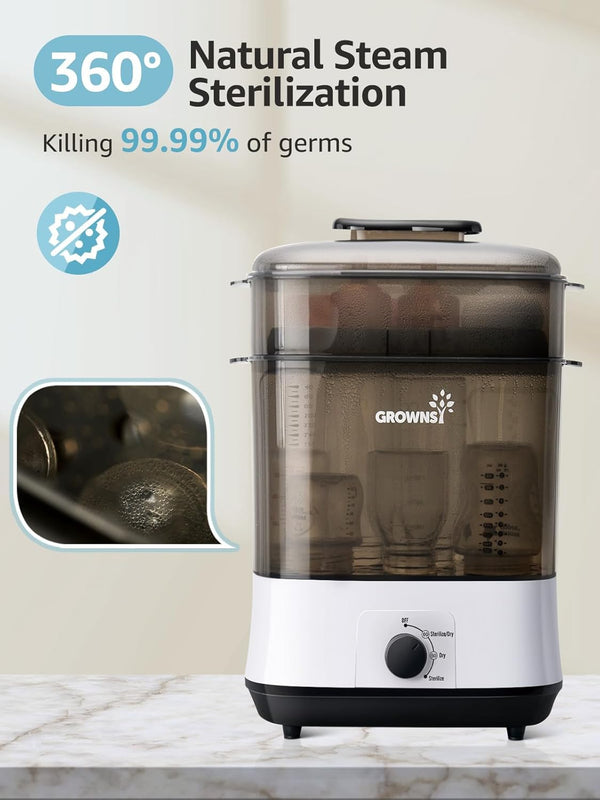
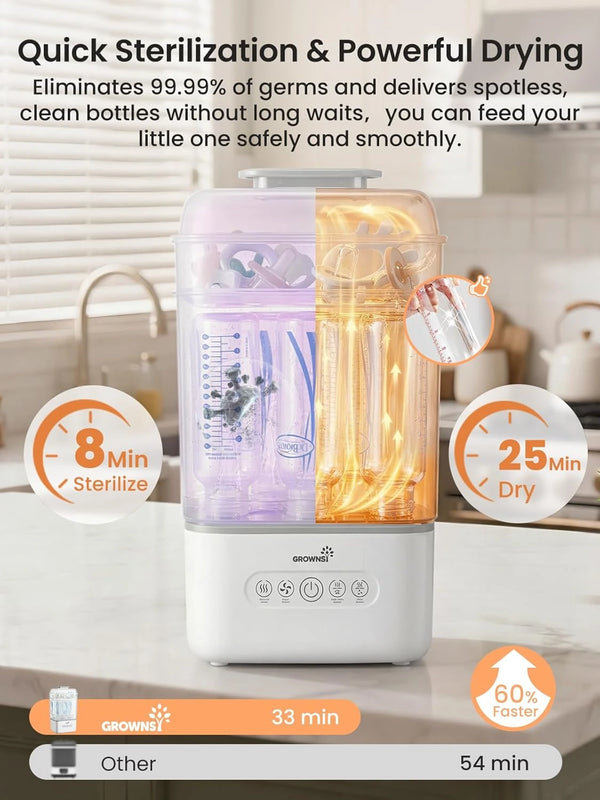
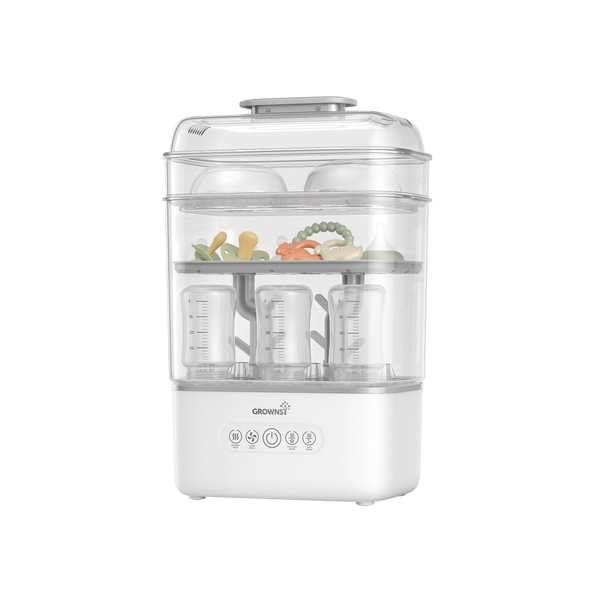
While microwave methods are fast, they often result in uneven heating and "cold spots" where bacteria can survive. The GROWNSY 6-in-1 Baby Bottle Sterilizer and Dryer provides a superior alternative, utilizing stable, high-temperature steam to achieve a verified 99.99% kill rate.
Unlike microwave bags that leave bottles damp and prone to airborne germs, our system features HEPA-filtered drying to keep gear medically pristine. The spacious, adjustable design accommodates up to 11 bottles, far surpassing the limited capacity of microwave containers. GROWNSY’s 24H sterile storage ensures your bottles stay protected and ready for use around the clock. By choosing a dedicated bottle sanitizer and dryer, you can eliminate the risk of material warping and secondary contamination. This "set-it-and-forget-it" solution offers the ultimate professional-grade protection for your baby’s developing immune system, which saves time for busy parents and you can spend more time with your baby.

What is the difference between sterilizing and sanitizing baby bottles?

In everyday baby-care guidance, both terms describe reducing germs to a safer level after proper washing, although “sterilizing” is commonly used for high-temperature steam treatment. The essential sequence is wash first, then run an appropriate steam, boiling, or dishwasher sanitize cycle. From a practical standpoint, an automatic feeding-item sanitizer makes that routine easier to repeat consistently.

How long does a baby bottle sterilizer cycle take?

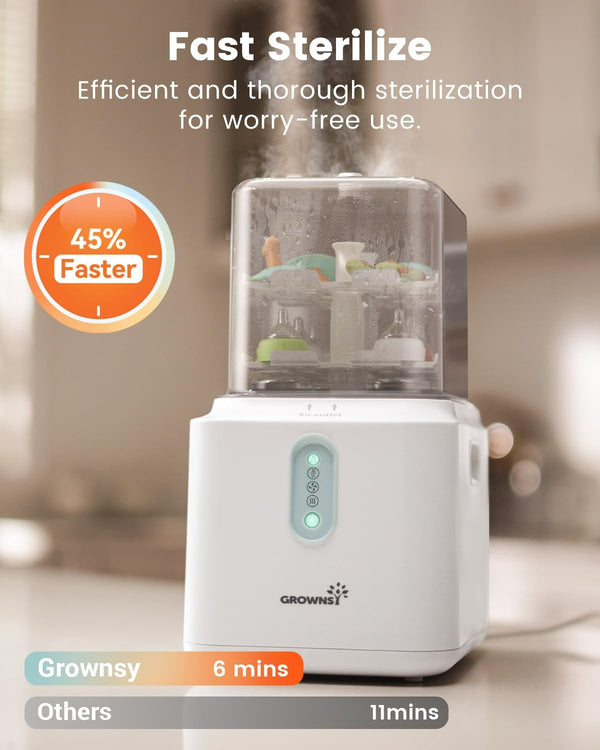
For most families, it varies by machine and selected mode. Steam treatment may take about 6–10 minutes, while a full sanitize-and-dry program takes longer because it also removes moisture. Check the individual Grownsy model’s cycle settings so you can choose a quick steam cycle or a complete ready-to-store routine.

Can a bottle sterilizer also dry bottles and accessories?

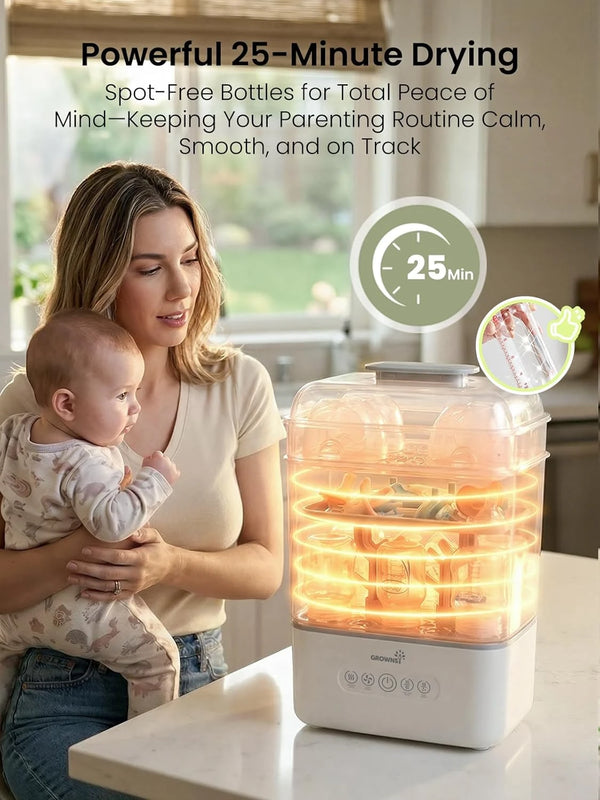
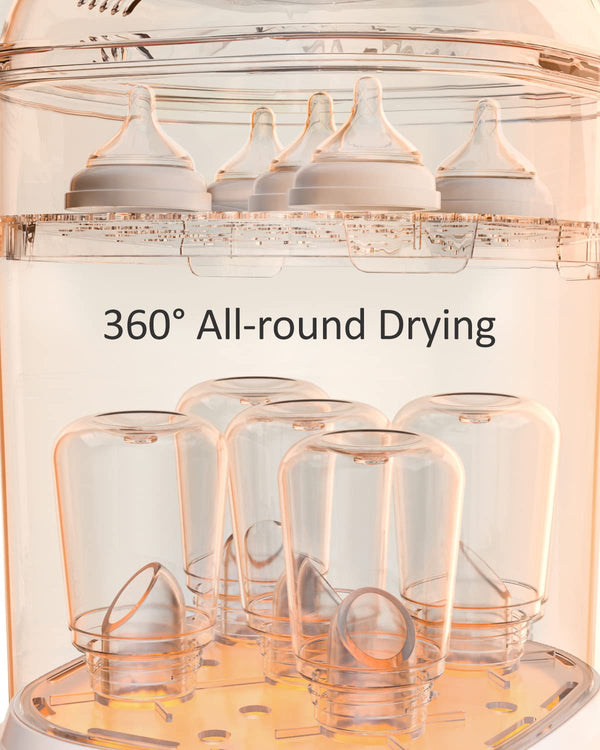
In practice, yes, if you choose a combined sterilizer and dryer. Heated, filtered airflow helps dry bottles, nipples, and compatible pump accessories after steam treatment, saving you from moving wet items to a separate rack. This all-in-one function is particularly useful for overnight preparation and frequent feeding schedules.

Can breast pump parts, pacifiers, and teethers go in a bottle sterilizer?

Absolutely! Provided every item is labeled steam-safe by its manufacturer. Disassemble pump parts, open valves, and place small accessories where steam can circulate without trapping water; this model's configurable baskets help you sanitize mixed loads while keeping smaller components organized.

How many bottles should a sterilizer hold?

Choose capacity around your normal daily feeding load. For day-to-day use, a compact unit may suit occasional use, whereas a 6–12-bottle chamber can reduce repeat cycles for exclusive bottle feeding, pumping, or twins. This model offers different capacities so you can balance counter space against the number of items you wash each day.

Do bottles need to be washed before sterilizing?

Sure. Steam or UV treatment does not replace washing because milk film can shield germs and leave odors behind. Clean every disassembled part with soap and safe water first, then use the sanitizing cycle as the final hygiene step. Dry the cleaned parts completely so moisture is not trapped during storage.

How long do bottles remain sterile after a cycle?

That depends on the machine and whether the chamber stays closed. Some Grownsy models provide covered storage with filtered drying or periodic ventilation for up to the stated holding period. However, items exposed to hands or open air should be treated as clean rather than continuously sterile. Remove them with clean, dry hands when needed.

How often should a bottle sterilizer be cleaned and descaled?

Clean a bottle sterilizer's removable parts every few days, and descale the heating plate every 1 to 2 weeks.
Wipe the chamber and heating plate regularly, and descale whenever mineral residue appears or at the interval stated in the manual. Hard water may require more frequent treatment; for example, Grownsy descaling tablets offer a premeasured way to dissolve limescale without guessing at the amount.