7 Simple Things Babies Love More Than You Might Realize
Have you ever looked at your baby and wondered, “How can I make my baby love me more?”
Here is the reassuring truth: you do not have to earn your baby’s love by being a perfect parent, buying more toys, or keeping them entertained every minute. Your baby experiences love through thousands of small moments—how you respond to a cry, return a smile, repeat a favorite song, or reconnect after getting a cue wrong.
The seven simple habits below can help your baby feel safer, more understood, and more deeply connected to you.
Quick Answer
Babies do not need nonstop entertainment or perfect parenting. What they benefit from most is a responsive caregiver who notices their cues, talks and plays with them, and gives them safe opportunities to explore. In everyday life, that can look like:
- Narrating diaper changes, feedings, walks, and other ordinary moments
- Allowing short periods of calm, unstructured play in a safe space
- Giving your baby a moment to try before stepping in to help
- Repeating favorite songs, books, words, and games
- Using natural facial expressions and naming simple emotions
- Taking turns during coos, smiles, gestures, and babbling
- Reconnecting after you misunderstand a cue or lose your patience
The goal is not to do all seven perfectly every day. Follow your baby’s individual cues, respond promptly when they are distressed, and focus on warm, back-and-forth connection.
Most parenting advice focuses on the essentials babies need: safe sleep, nutritious feeding, physical care, and protection. Those needs always come first. But babies also thrive on small interactions that help them feel seen, secure, and involved in the world around them.
These moments do not require special toys, complicated programs, or a perfectly planned schedule. They happen while you change a diaper, fold laundry, sit on the floor, or sing the same song for the tenth time. According to the Center on the Developing Child at Harvard University, responsive “serve-and-return” exchanges—when a baby signals and a caregiver responds—help strengthen the neural connections involved in communication and social development.
Here are seven simple things many babies enjoy, along with practical ways to use them without ignoring your baby’s temperament, developmental stage, or safety needs.

1. Talk About the Boring Things You Are Doing
Diaper changes, bottles, baths, and getting dressed may feel repetitive to you, but they are full of new sensations and language for your baby. Talking through these routines gives your baby a chance to hear familiar words while connecting them with actions, objects, and feelings.
You do not need to provide a constant stream of commentary or turn every moment into a lesson. Short, natural phrases work well:
- “I’m picking you up now.”
- “Here comes your clean diaper.”
- “One arm in, and now the other.”
- “The water feels warm.”
- “I hear the dog barking.”
You can also pause and watch for a response. Your baby may look at you, kick, smile, or make a sound. Answering that signal turns a one-sided narration into a simple conversation.
Why It Helps
Babies begin learning the rhythm of language long before they say their first word. Hearing a caregiver name what they see, do, or feel can support early language connections. The CDC also encourages parents to talk, read, sing, and respond to babies’ sounds as part of early communication development.
Choose one routine—such as a morning diaper change—and narrate just three steps. Use your normal voice, make eye contact when your baby seeks it, and leave space for a sound or expression in return.
2. Give Them Calm, Unstructured Time
Babies do not need a toy, song, flashing light, or video in front of them every minute. Short periods of quiet floor time can give them space to study their hands, turn toward a sound, examine a nearby object, or practice moving their bodies.
This is better described as unstructured play than “boredom.” The goal is not to withhold comfort or leave a distressed baby alone. It is simply to avoid filling every quiet moment with adult-directed stimulation.
Set Up a Safe Space
Place your awake baby on their back on a firm, flat play surface on the floor, away from stairs, cords, pets, choking hazards, and soft items that could cover the face. Stay nearby and supervise. For tummy time, remain awake and actively watch your baby.
Depending on your baby’s age, the space might include one or two simple, age-appropriate objects rather than a crowded collection of toys. Sometimes your face, voice, or a patch of sunlight on the wall is interesting enough.
Follow Their Signals
Quiet observation is appropriate when your baby appears calm, curious, or mildly frustrated. Step in when fussing escalates or you notice signs of hunger, fatigue, pain, illness, overstimulation, or a need for closeness. Young babies rely on caregivers for regulation; independent play is not a test they need to pass.
Start with a few supervised minutes when your baby is alert, fed, and rested. Sit close by without directing the play. If your baby looks toward you or vocalizes, respond—unstructured play and connection can happen at the same time.

3. Let Them Try Before You Help
When your baby is reaching for a toy, turning toward a sound, or working on a new movement, it can be tempting to complete the task for them. If the situation is safe and your baby is only mildly frustrated, giving them a brief moment to keep trying may support curiosity, coordination, and persistence.
This does not mean following a stopwatch or refusing help. Watch the quality of your baby’s signals. Concentrated grunts, repeated attempts, and brief complaints can be part of working through a challenge. Intense crying, breath-holding, sudden limpness, unusual movements, or signs of pain require immediate attention.
Use the “Wait, Watch, Then Help” Approach
- Wait briefly. Give your baby a moment to continue the attempt.
- Watch closely. Look for whether frustration is manageable or increasing.
- Offer the smallest useful help. Move the toy slightly closer, stabilize it, or encourage your baby with your voice instead of finishing the entire task.
Also remember that babies should not be pushed into positions or milestones they cannot reach safely on their own. Development varies, and more pressure does not create faster progress.
During supervised floor play, place an age-appropriate toy within reach but not directly in your baby’s hand. Let them initiate. If they need help, adjust the distance rather than handing over the toy immediately.
4. Repeat Their Favorite Songs, Books, and Games
Adults often crave variety. Babies frequently prefer familiarity. The same bedtime song, peekaboo routine, or board book can become reassuring because your baby begins to recognize what comes next.
Repetition also gives babies multiple chances to process sounds, facial expressions, movements, and words. What feels identical to an adult may not be identical to a developing brain. On one reading, your baby may focus on your voice; on another, the picture; and later, the page-turning routine.
Repetition Can Change With Development
You do not have to repeat an activity in exactly the same way forever. Keep the familiar core and add small changes as your baby grows:
- Pause before the final word of a familiar rhyme.
- Point to and name one picture in a favorite book.
- Let your baby turn a sturdy page.
- Add a gesture to a familiar song.
- Copy the new sound your baby makes during an old game.
Choose one simple “anchor” routine, such as the same lullaby before bed. Familiar routines can help signal what is about to happen, but always adapt if your baby seems tired, overstimulated, or uninterested.

5. Let Them See Natural, Calm Emotions
Your baby does not need an exaggerated smile and cheerful voice every time you interact. Babies pay close attention to faces, voices, and body language. Warmth matters, but warmth can be quiet and genuine.
You can use simple language to describe manageable emotions:
- “I’m tired, so I’m taking a slow breath.”
- “That loud sound surprised me.”
- “I feel calm sitting here with you.”
- “I’m frustrated, so I’m going to pause.”
This gives your child an early model of how feelings can be noticed and managed. It does not mean sharing adult problems with a baby, arguing in front of them, or expecting them to comfort you.
Regulate Before You Reconnect
If you feel close to losing control, place your baby in a safe location, such as an empty crib or bassinet, and step away briefly to calm down. Never shake a baby. Ask another trusted adult for help when possible. If stress, anxiety, anger, or sadness feels persistent or unmanageable, contact a health professional for support.
Use your normal voice and relaxed face during one interaction. Instead of performing excitement, notice what your baby is looking at and respond with genuine interest.
6. Turn Their Signals Into a Back-and-Forth Conversation
Babies “talk” through eye contact, facial expressions, body movements, cries, coos, babbling, and gestures. When you notice a signal and respond, then allow room for another signal, you create a serve-and-return exchange.
For example:
- Your baby looks at the ceiling fan.
- You follow their gaze and say, “You see the fan.”
- You pause.
- Your baby kicks or coos.
- You answer, “It’s going around and around.”
The pause is not a rule that you must wait two or three seconds. It is simply enough space for your baby to take a turn. Some babies respond quickly; others need longer. Temperament, age, tiredness, and sensory needs all influence the pace.
When Not to Pause
Respond right away when your baby shows clear distress or may be hungry, in pain, ill, too hot or cold, having trouble breathing, or otherwise unsafe. Responsive caregiving does not spoil a baby. A conversational pause belongs in calm interaction—not in an urgent situation.
Copy one sound your baby makes and wait. If your baby responds, copy it again or add a simple word. Stop when they turn away, arch, yawn, cry, or show other signs that they need a break.
7. Repair the Connection After a Difficult Moment
No caregiver interprets every cue correctly. You may offer a bottle when your baby needs sleep, keep playing when they need a break, or speak more sharply than you intended. A mismatch does not automatically harm your bond. What matters is noticing it and trying again.
Repair can be simple:
- Soften your voice and body.
- Name what happened without blaming your baby.
- Correct the problem when you can.
- Offer comfort and reconnect.
You might say, “I thought you wanted to play, but you’re tired. I’m here. Let’s slow down.” Your baby may not understand every word, but they can experience the change in your tone, touch, pace, and attention.
Repair Is Not the Same as Ignoring Harm
An apology is valuable, but recurring yelling, frightening behavior, unsafe handling, or an inability to meet a baby’s basic needs requires additional support. Contact your pediatrician, a mental health professional, or a trusted support person. Asking for help is a protective parenting action.
When you realize you misread a cue, pause and start over instead of criticizing yourself. Repair teaches both you and your baby that connection can return after a difficult moment.
How to Tell Whether Your Baby Wants More Interaction or a Break
Information about “what babies love” is only useful when it respects individual cues. Babies have different temperaments, and the same baby may want different things depending on the time of day.
Signs Your Baby Is Ready to Engage
- Looking toward your face or voice
- Relaxed arms, legs, or hands
- Smiling, cooing, babbling, or kicking
- Reaching toward you or an object
- Bright, attentive eyes
Signs Your Baby May Need a Break
- Turning their head or gaze away
- Yawning, hiccupping, or becoming fussy
- Stiffening, arching, or making jerky movements
- Closing their eyes or appearing drowsy
- Crying or becoming increasingly difficult to soothe
These signals are not universal. Look for your baby’s patterns over time. If you are worried that your baby rarely responds to sound, does not make expected social or communication progress, loses a skill they previously had, or behaves in a way that concerns you, talk with their pediatrician. The CDC’s milestone checklists can help you prepare for that conversation, but they are not a substitute for developmental screening or medical advice.

Connection Matters More Than Perfection
Babies do not need a parent who performs every interaction perfectly. They need caregivers who are generally available, responsive, and willing to adjust.
The seven practices in this article are not a daily scorecard. Some days you will narrate everything; other days you will be quiet. Sometimes your baby will happily explore; sometimes they will want to be held. A familiar song may work one night and fail completely the next.
Instead of trying to optimize every minute, notice the small opportunities already built into your day. Talk during a diaper change. Wait while your baby studies a toy. Repeat the song. Answer the coo. Slow down when they turn away. Reconnect when you get it wrong.
Those ordinary moments are where a strong relationship grows.
Sources
- Center on the Developing Child at Harvard University: Serve and Return
- CDC: Milestones by 2 Months
- CDC: Milestones by 6 Months
- CDC: Learn the Signs. Act Early.
- HealthyChildren.org: Developmental Milestones of Early Literacy
Editor’s Recommendations for Calmer Baby Routines
The products below are practical tools that may make everyday routines feel calmer, leaving you with more attention for the small back-and-forth moments your baby enjoys.
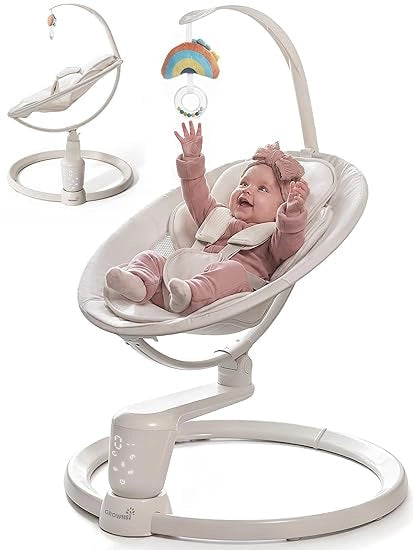
For Supervised Soothing and Familiar Sounds: GROWNSY Baby Swing for Infants
This infant swing offers side-to-side and front-to-back motion, five speed settings, calming sounds, and the option to play familiar music or a recording of your voice. Its adjustable direction can also help keep your awake baby within view while you talk, sing, or respond to their cues.
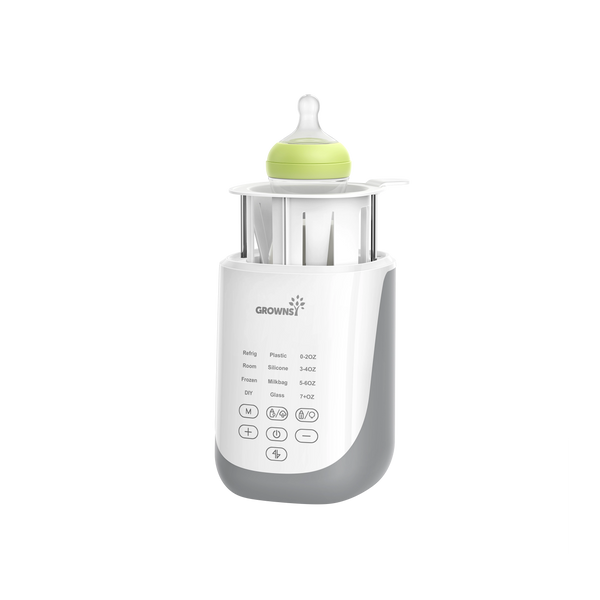
For Smoother Feeding Routines: GROWNSY 10-in-1 Fast Baby Bottle Warmer with Smart Auto-Lift
Feeding is one of moments to narrate what you are doing and practice calm, responsive interaction. This bottle warmer heats 4 ounces of milk in approximately two to five minutes, then automatically lifts the bottle when warming is complete. Its quiet operation and gentle night-light are especially useful when you want to keep nighttime feeds simple and low-stimulation.