


How to Choose the Right Bottle Warmer (And What Actually Works for Parents)
Choosing a bottle warmer sounds simple until you actually need one.
At 3 a.m., with a crying baby, what matters isn’t features.
👉 It’s whether it works---fast, safely, and without extra steps
That’s why parents searching:
- best portable bottle warmer
- battery powered bottle warmer for breast milk
...are really asking one question:
👉 "Which one will make feeding easier right now?"
1. Safety First: Will It Protect Breast Milk?
This is the most important and most misunderstood factor.
(Search: portable bottle warmer temperature control)
Many parents worry about:
- Overheating
- Nutrient loss
- Uneven heating (hot spots)
👉 What actually determines safety?
✔ Heating Method (This Is Critical)
Different warmers use different heating approaches:
- ❌ Direct heating / overheating risk
- ❌ Microwave-style heating (not recommended)
- ✔ Controlled water-based warming (gentle & even)
👉 The safest systems:
- Heat gradually
- Distribute heat evenly
- Stay close to body temperature
How GROWNSY Portable Bottle Warmer Solves This
Instead of aggressive heating, it uses:
👉 controlled, sensor-based warming system
- Built-in temperature sensor monitors heat in real time
- Dual modes (water & breast milk) for more precise control
- Stable warming reduces risk of overheating
✔ What This Means for Parents
- Helps preserve breast milk nutrients
- Avoids dangerous hot spots
- Makes every feeding more predictable
👉 Not just "temperature control", but nutrient-safe warming
2. Heating Method Matters More Than You Think
Most parents look at speed or design.
But what actually determines safety and milk quality is:
👉 how the bottle warmer heats
(Search: portable bottle warmer temperature control / breast milk safety)
There are three common heating methods on the market:
1. Direct Heating (Fast, But Risky)
How it works:
- Heating element directly heats the liquid or container
Pros:
- Fast
Cons:
- Easy to overheat
- Creates uneven heat (hot spots)
- Higher risk of nutrient damage
👉 This is where many "cheap" or low-end warmers fall short.
2. Steam Heating (Common, But Less Controlled)
How it works:
- Uses steam to heat bottles
Pros:
- Faster than water-based
- Widely used
Cons:
- Harder to control temperature precisely
- Can overheat if timing isn’t exact
- Less ideal for breast milk
👉 Better than direct heating, but still not optimal for sensitive milk.
3. Water-Based Controlled Warming (Most Gentle & Stable)
How it works:
- Gradual heating through controlled thermal transfer
- Often paired with temperature sensors
Pros:
- Even heat distribution
- Lower overheating risk
- Better for preserving nutrients
Cons:
- Slightly slower (but more stable)
👉 This is generally considered the preferred method for breast milk
How GROWNSY Portable Bottle Warmer Uses This Approach
Instead of aggressive or uncontrolled heating, it applies:
👉 sensor-based, controlled warming system (water-based logic)
- Built-in temperature sensor monitors heat in real time
- Gradual, stable heating avoids sudden spikes
- Dual modes optimize for water vs breast milk
✔ Why This Actually Matters
This directly answers what parents are worried about:
- ✔ Helps protect breast milk nutrients
- ✔ Reduces risk of overheating
- ✔ Prevents hot spots
- ✔ Makes results consistent every time
👉 So when you see "temperature control," this is what it should really mean in practice.
3. Speed vs Stability: You Need Both
(Search: fast bottle warmer / travel bottle warmer best options)
Fast is important, but unstable heating creates problems.
What parents actually need:
- Warm milk in ~3--5 minutes
- Same result every time
How GROWNSY Balances This
- Warms 240ml refrigerated milk in ~5 minutes
- Maintains stable temperature throughout
✔ Why This Matters
- No guesswork
- No reheating cycles
- Less crying time
👉 Fast, but controlled, not rushed and uneven
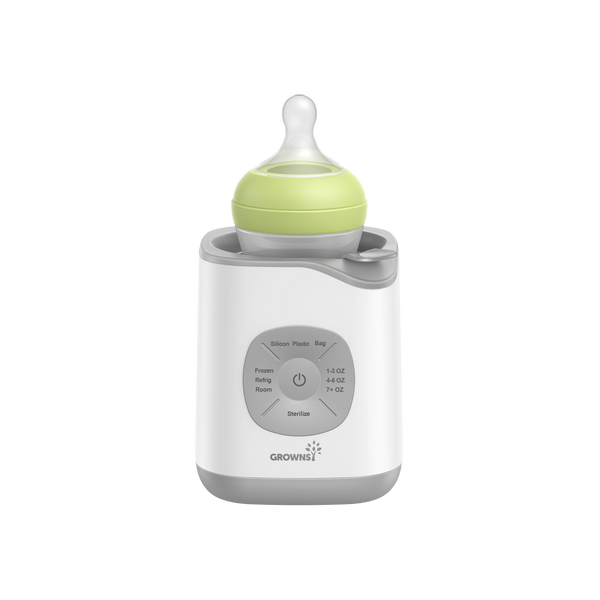
4. One Hidden Problem: Too Many Steps
Most warmers follow this flow:
Warm → Pour → Feed
(Search: feed directly without transferring milk)
This creates:
- Extra time
- Extra mess
- More frustration (especially at night or outside)
GROWNSY's Key Difference: Warm & Feed in One
👉 Dual-module design (warming + feeding)
- Warm milk directly in the device
- Feed immediately after warming
- Or transfer to your preferred bottle
✔ Real Benefit
- One less step
- Faster feeding
- Smoother routine
👉 This is not just a feature, it changes the workflow
5. Portability That Actually Works
(Search: best portable bottle warmer battery powered bottle warmer for breast milk)
Many "portable" products fail in real use:
- Weak battery
- Limited usage
- Inconsistent heating
How GROWNSY Handles Real-Life Use
- Large-capacity battery → supports multiple warming cycles
- Designed for all-day outings
- No constant recharging
✔ Practical Outcome
- Work in cars, parks, travel
- Reliable outside the home
👉 True portability, not just "no cord"
6. Cleaning & Hygiene (Often Overlooked)
(Search: portable bottle warmer easy to clean)
Common frustrations:
- Hard-to-clean interiors
- Milk residue buildup
GROWNSY's Approach
- Detachable cup + base design
- Washable components
- Sealed structure reduces leakage
✔ Why It Matters
- Easier daily cleaning
- Better hygiene over time
- Less maintenance stress
7. Compatibility & Flexibility
(Search: portable bottle warmer bottle compatibility)
Parents don’t want to change their entire setup.
Flexible Design
- Feed directly with included system
- Or use your existing bottles
✔ Result
- No disruption to baby’s привычка
- Works across feeding preferences
Final Verdict: What Should You Actually Choose?
If you're comparing:
- top portable bottle warmers 2026
- rechargeable portable bottle warmer review
The decision comes down to this:
👉 Does it solve real problems, not just list features?
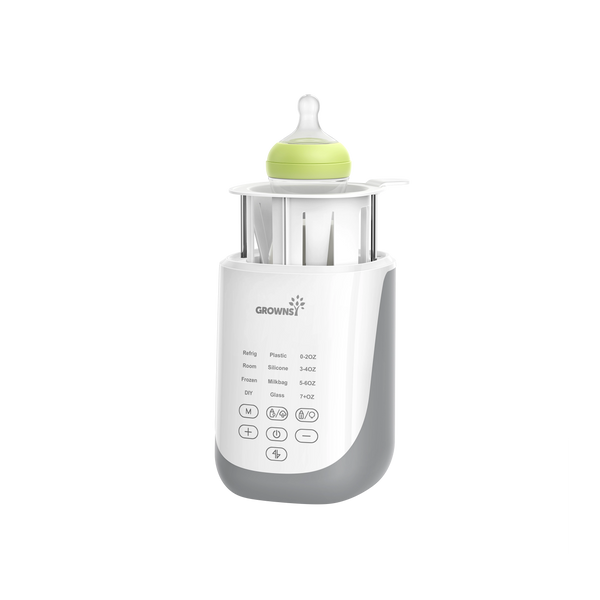
Why GROWNSY Portable Bottle Warmer Stands Out
It directly answers the biggest parent concerns:
| Concern | Solution |
|---|---|
| Overheating | Sensor-based controlled warming |
| Uneven heat | Stable, gradual heating |
| Too many steps | Warm & feed in one |
| Poor portability | All-day battery |
| Hard to clean | Detachable structure |


