


Infant Spits Up Through Nose: Don't Panic — Here's What to Do
As a parent, alarm bells might go off in your head when your infant spits up through nose, especially immediately after feeding.
If you're in this situation right now, don't panic. In most cases, milk coming out of nose of a newborn is normal.
This situation is called nasal regurgitation, and although it might look scary, it is rarely an indication of a serious health problem.
Read on to find out everything you need to know about a baby spitting up through nose, how to prevent it, manage it, and when it becomes a cause for concern.
Quick Navigation
- How to Clean Milk Out of Baby's Nose Without Hurting Them
- Why This Happens — The Real Anatomy Behind It
- Is Your Baby Fine — Or Is Something Wrong?
- How to Make It Happen Less Often
- When to Call the Doctor — Red Flags to Watch For
- Related Articles You Might Find Helpful
- Frequently Asked Questions
- Editor's Recommendation
How to Clean Milk Out of Baby's Nose Without Hurting Them
To clean milk from your baby’s nose when your infant spits up through nose, wipe the outside of the nose gently, using a soft, damp piece of cloth. Avoid putting your hands or the cloth into the nostrils. If your baby appears congested, you can use a nasal aspirator for decongestion.

Why This Happens — The Real Anatomy Behind It
Spitting up, medically referred to as infant reflux, is common in babies, especially within their first 3 months to 12 months.
The American Academy of Pediatrics confirms that spitting up often gets more serious between 4 and 5 months, and resolves by 9 to 12 months.
The anatomy behind spitting up is simple: A muscle between the esophagus and the stomach is responsible for keeping food in the stomach. This muscle, called the lower esophageal sphincter, takes time to mature in babies. Until it matures, food can go back up from the stomach to the nose via the tube, especially when your baby’s stomach is full.
Common causes include:
- Overfeeding your infant.
- Fast milk flowing from the breast or bottle.
- Inappropriate bottle-feeding position.
- Feeding when crying.
- Immature sucking and swallowing coordination.
- Lying flat during feeding (causing milk to pool up at the back of the throat).
Why Some Babies Get It More Than Others
Are you concerned that your infant is spitting up more than other babies you’ve had or know? There is nothing to worry about.
North American Pediatric Research found that up to 51% of babies under 3 months old spit up daily, with 17% spitting up more than 4 times daily.
Per this research, while most babies stop spitting up around 6-7 months when they learn to sit up, some babies continue until their first birthday.
Bear in mind that every baby is different. So, instead of worrying when an infant spits up through nose, simply see it as a part of their development.

Is Your Baby Fine — Or Is Something Wrong?
Now that we have established that a baby spitting up through nose is mostly normal, here are some signs that your baby’s spit up might not be normal.
If your baby is not gaining enough weight as they should at their age, or if they have difficulty breathing coupled with spit up, they may have gastroesophageal reflux disease.
Projectile vomiting (when vomit forcefully flies out of your infant’s mouth), could be a sign that the muscles at the bottom of your baby’s stomach has thickened and is blocking the flow of food.
What the Color of Spit-Up Is Telling You
If your infant spits up yellow or green fluid, or you find what resembles coffee grounds or blood in their spit up or vomit, this might be a sign of a blockage in their intestines.
What If It Happens While Baby Is Sleeping?
Healthy babies naturally swallow and spit up while sleeping. This is a reflex action to clear their airways.
If an infant spits up through nose while sleeping, it is not automatically a red flag. Put them to sleep on their backs to ensure that they don’t choke even if they spit up or vomit.
Putting your baby to sleep on the back also lowers the risk of sudden infant death syndrome (SIDS).
How to Make It Happen Less Often
These practices can reduce how often your infant spits up through nose:
1. Feed in an Upright Position
Avoid laying your baby flat when feeding.
Keep your baby semi-upright with the head higher than the rest of the body.
2. Try Smaller, More Frequent Feeds
Don't wait until your baby is very hungry to feed.
Embrace smaller, more frequent feeds throughout the day.
Look out for early hunger cues such as placing hand to mouth or rooting.
Avoid forcing your baby to feed more if they appear full.
3. Burp More Often — Even Mid-Feed
Burp during and after feeding to avoid air build up in stomach
Burp baby every 2-3 minutes of breastfeeding or after every 30-60ml for bottle feeding.
Burp after feeding is complete
4. Use a Slow-Flow Nipple
Use the appropriate nipple for bottle feeding depending on your baby’s age.
Begin with slow feed and increase nipple flow rate when your baby shows signs of frustration with current flow level.
Tilt the bottle at 45 degrees to ensure the baby can easily control the flow of milk and avoid choking.
Consider getting Grownsy's slow-flow nipples for your infant to prevent them from feeding too quickly, reduce the intake of air, and prevent choking. Our slow-flow nipples mimic breastfeeding, making the pace more natural and giving your baby control of the feeding process to avoid forceful feeding or oversupply of milk or formula.
5. If Breastfeeding: Manage Oversupply First
If you have a heavy milk flow, express some milk before latching baby
Feed in a reclined position, with the baby on top.
Allow your baby to control the feeding pace.
Unlatch your baby when milk lets down and catch it with a cloth.
6. Keep Baby Upright for 30 Minutes After Feeding
Keep your baby upright for up to 30 minutes after each feeding.
Walk around with them in your arms or in a walking or rocking chair.
Gently tap on their back to aid digestion and prevent reflux.
7. Skip Active Play Right After Meals
Don't allow your infant to do active play after eating.
Prevent infants from too much activity or infant swing right after meals.
8. Feed in a Calm, Distraction-Free Space
Create a calm and relaxing feeding environment by feeding in a quiet room.
Dim the lights and avoid too much movement around the baby to prevent distraction.
Use a nursing cover to minimize your baby’s stimulation from the surrounding environment.
9. Check for a Good Latch
Ensure that most of your areola is in your infant’s mouth while breastfeeding.
Your baby’s lips should be rolled outwards to form a fish-lip shape.
You should hear rhythmic swallowing.
If your baby’s latching hurts, gently separate your baby’s mouth from your nipple and try again.
10. Avoid Tight Clothing After Feeds
Before or immediately after feeding, loosen up your baby’s clothes.
Avoid tight clothes around the belly or waist.
Use breathable and stretchy clothing.
11. Use a Nasal Aspirator
Consider getting a nasal aspirator like Grownsy’s Nasal Aspirator and have it handy during feeding. If milk comes out of your newborn’s nose during feeding, you can clear their nose using any of our three adjustable suction levels and soft silicone tips. The Grownsy Nasal Aspirator also has calming aids such as soft lights and nursery rhymes that relax your baby during the process.

When to Call the Doctor — Red Flags to Watch For
If your infant’s spit up is accompanied by these signs, you should contact a pediatrician.
If your infant:
- Spits up yellow or green fluid.
- Spits up blood and has blood in stool.
- Spits up a substance resembling coffee grounds.
- Struggles to breathe, coughing, or choking.
- Refuses/struggles to feed and has a fever
- Is crankier and cries more than usual
- Has fewer wet diapers than usual or shows other signs of dehydration.
- Appears to be in pain during or after feeding.
- The problem occurs with almost every feed and baby spits up large volumes of liquid
If you see one or more of these signs, contact a doctor. The doctor will find out what is causing your baby to spit up, recommend ways to manage it, and sometimes prescribe medicine.
Even if nothing turns out to be wrong, it is better for your peace of mind and your baby’s health to check when you have concerns.
Related Articles You Might Find Helpful
Are You Clearing Your Baby's Nose the Wrong Way? 7 Common Mistakes Parents Make and How to Fix Them
The Ultimate Baby Checklist: 15+ Must-Haves for Your First Year, Organized by Stage
Flu Season is Here: 5 Telltale Symptoms That Call For a Nasal Aspirator
Frequently Asked Questions
Baby Spitting Up Curdled Milk? Here's What's Normal and What's Not?
It is often normal if your baby spits up curdled milk after feeding as long as they don’t show any signs of illness or discomfort. The milk turns out curdled because it has mixed up with stomach acid fluid.
However, if your baby spits up curdled milk alongside other symptoms such as diarrhea, it could be a sign of lactose intolerance or milk allergy. In this case, you should consult your doctor.
Why Is My Baby Spitting Up Clear Liquid?
In most cases, your baby spitting up clear liquid could either be saliva, milk combined with saliva, or even a sign of teething. It is a normal and temporary phase. However, if it is accompanied by a fever and diarrhea, or leads to vomiting, consult a doctor.
Is My Baby Getting Enough Milk? Signs of Adequate Feeding
If your baby is nursing frequently, alert and content after feeding, gaining weight appropriately, and has 6 or more wet diapers daily, they are getting enough milk, regardless of spit ups.
However, weight loss, forceful vomiting, and fewer wet diapers are signs that your baby might not be getting enough milk.
Editor's Recommendation
Don’t be alarmed when your infant spits up through nose. It happens to many newborns while they’re learning to feed. However, watch closely and take action immediately if you see any red flags
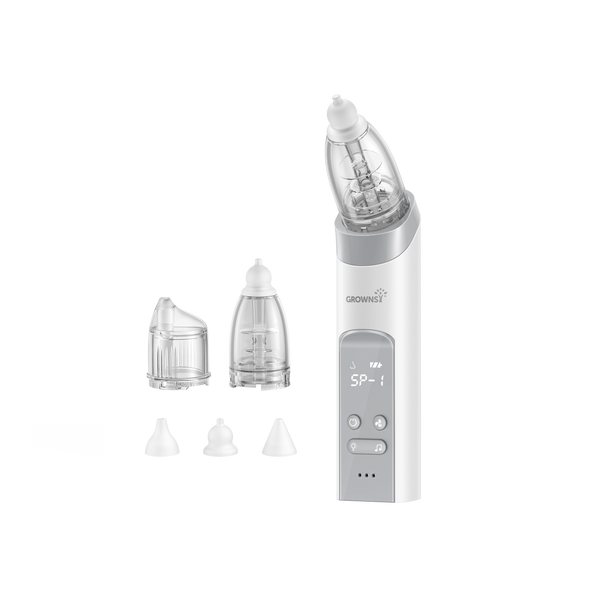
Some recommended products to assist in caring for your infant through this phase include the Grownsy Nasal aspirator for clearing spit up, the Grownsy Bottle warmer to keep baby food warm across different feeding times, and the Slow-flow nipples to control flow speed during bottle-feeding.
Overall, most babies outgrow this phase without any major issues. Rest assured that you and your infant will both get through this stage just fine.
Disclaimer
The information provided in this article is for general informational purposes and does not constitute medical diagnosis or treatment. Always seek advice from a qualified health provider regarding any medical concern.


