


As a mom returning to work or simply looking for a more flexible breastfeeding routine, you must understand how to store and warm breast milk to preserve its benefits properly. That is where things can get confusing.
Can you reheat breast milk? What if your baby only drinks a little? Can you warm the same bottle again? And does breast milk have to be warm in the first place?
The good news is that warming breast milk safely is fairly simple once you know which storage rule applies to your situation. The CDC says breast milk does not have to be warmed at all. It can be served cold, at room temperature, or warm. If you do warm it, however, there are specific time limits to keep in mind.
In this guide, we will break down how to safely reheat breast milk, how long warmed milk is safe to use, what to do with an unfinished bottle, and the safest ways to warm refrigerated or frozen breast milk.
Table of Contents
Quick Answer: Can you reheat breast milk?
Yes, but repeatedly warming the same milk is best avoided. Once breast milk has been warmed or brought to room temperature, the CDC recommends using it within 2 hours. If your baby has started drinking from a bottle, use the leftover milk within 2 hours after feeding ends, then discard it. We recommend warming breast milk once, using it within the recommended window, and avoiding repeatedly cycling the same milk between cold and warm temperatures. That simple rule is easier to follow, especially during those exhausting middle-of-the-night feeds.
Can You Reheat Breast Milk? Rules for Every Situation

Not all bottles have the same safety timeline; the rules vary with every situation.
Reheating Warmed Milk That Your Baby Has Not Touched
Once you have warmed a bottle, the CDC says warmed breast milk should be used within 2 hours, even if your baby has not touched it. Since it does not recommend a separate process for refrigerating that warmed bottle and reheating it again later, the safest practical approach is to avoid repeated warming and cooling.
If you feel you are warming more milk than your baby consumes, try preparing smaller portions instead. The CDC recommends you can store breast milk in small amounts, 2 to 4 ounces or the amount offered at one feeding, to reduce waste.
Reusing an Unfinished Bottle After Feeding Has Started
Now this scenario is different since your baby has already drunk from the bottle. Once feeding begins, saliva and other microorganisms enter the milk. According to current CDC guidance, the same rule applies: breast milk should be used within 2 hours after the baby finishes feeding. After that, discard it.
Note: Never rely on how the milk looks or smells to decide whether it is safe after that time; trust the guidance.
Why Repeated Warming and Cooling Is Best Avoided
Repeatedly warming and cooling breast milk can make safe handling more difficult. Each time the temperature of the milk changes, the probability of contamination increases.
It is best to warm only the amount your baby is likely to drink and follow the recommended time limits. Also, if your baby likes it cold or at room temperature, there is no need to warm breast milk at all. Following a simple routine makes things easier:
-
Store milk correctly.
-
Warm only the amount you expect your baby to drink.
-
Warm it gradually using warm water or a bottle warmer, rather than direct heat.
-
Use it within the appropriate two-hour window.
-
Discard leftover milk once that window has passed.
Extra Precautions for Premature or Medically Fragile Babies
The CDC storage recommendations are written for healthy, full-term infants, which may differ for premature or sick babies.
If your baby was born prematurely, has a weakened immune system, or has another medical condition that affects feeding or infection risk, ask your pediatrician or neonatal care team for individualized milk-handling instructions.
This is important because hospitals may use stricter storage and preparation procedures for medically fragile infants.
Do You Have to Warm Breast Milk?
No. This is one of the easiest breast milk rules to overlook. Breast milk can be served cold from the refrigerator, at room temperature, or warm. There is no nutritional requirement to heat it before feeding.
Serving Breast Milk Cold, at Room Temperature, or Warm
Some babies happily drink refrigerated milk, while others prefer it warm. Warmed breast milk can mimic the natural warmth of milk straight from the breast, which some babies may find more familiar.
If your baby accepts cold milk, there is no need to warm it simply because you think you should. Or if your baby prefers warm milk, gradual warming is fine. What matters most is avoiding overheating and hot spots. Test a few drops on the inside of your wrist before feeding. The milk should feel warm, not hot.
How to Warm Breast Milk Safely

The safest approach is gentle, gradual, even warming rather than intense, direct heat.
Method 1: Use a Warm Water Bath
Seal the breast milk container and place it in a bowl of warm water. You can also hold the sealed container under warm, not hot, running water for a few minutes. Make sure you keep water from entering the bottle or touching the nipple and opening of the bottle to reduce the chances of contamination. Once the milk is warm, gently swirl it and test a few drops on your wrist.
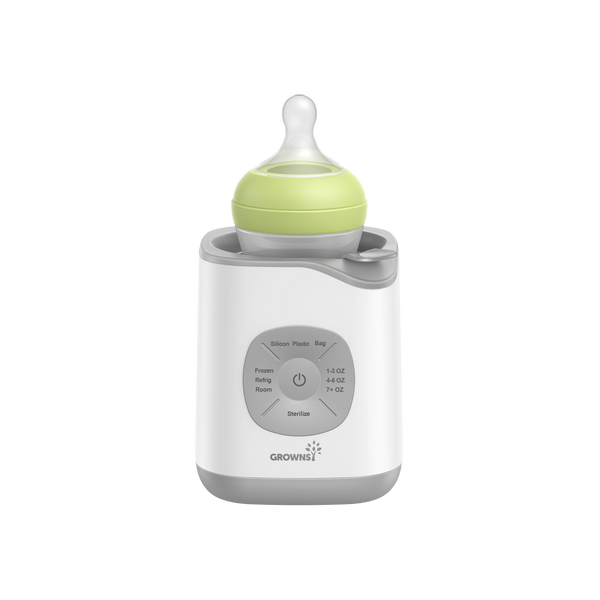
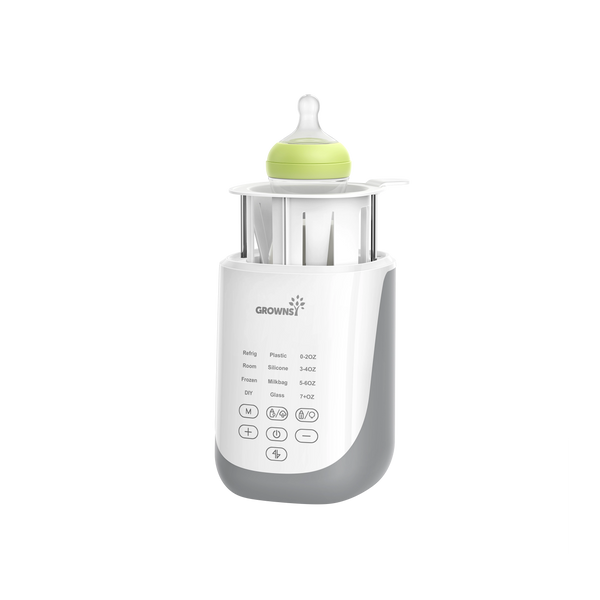
Method 2: Use a Baby Bottle Warmer
A bottle warmer can make regular feeding routines easier, particularly when you are warming several bottles or dealing with frequent nighttime feeds.
The key is still to follow safe warming practices. A bottle warmer should not be treated as permission to keep breast milk hot indefinitely. Follow the specific product instructions and the breast milk storage timeline separately.
Grownsy offers several bottle warmers designed for breast milk warming, including models with temperature controls and warming or thawing functions. The current Grownsy bottle warmer serves as a controlled alternative to manually warming bottles in water.
Note: The product does not change the two-hour breast milk safety rule. It simply makes the warming step more convenient.
Important Things to Remember When Warming Breast Milk
-
Thaw frozen breast milk before warming it: thaw it overnight in the refrigerator or in warm or lukewarm water. Once completely thawed in the refrigerator, use it within 24 hours. Do not refreeze breast milk after it has completely thawed.
-
Aim for lukewarm or body temperature, not hot: Warm the stored breast milk only until it reaches a comfortable feeding temperature. Test a few drops on the inside of your wrist before feeding.
-
Swirl separated milk before feeding: It is normal for stored breast milk to separate, with the fat rising to the top. Gently swirl the bottle to mix the milk again rather than shaking it vigorously. Always test the temperature before offering it to your baby.
-
Never use a microwave, direct stovetop heat, or boiling water. The CDC advises against microwaving or heating breast milk directly on the stove, as microwaves can create hot spots that may burn your baby's mouth. Also avoid boiling water and use warm or lukewarm water for gradual warming.
-
Never refreeze breast milk after it has completely thawed. If the milk still contains ice crystals, it can be refrozen as long as it has remained at a safe temperature, such as during a power outage or while traveling.
-
Warm smaller portions to reduce waste during night feedings: If your baby usually drinks 3 ounces, start by warming 3 ounces rather than heating a larger amount. You can warm more if needed.
How Long Is Warmed Breast Milk Good For?

This is where many parents become confused because there are several different storage clocks. We have prepared a quick overview for you:
| Milk situation | Current CDC guidance |
|---|---|
| Freshly expressed milk at room temperature, 77°F or colder | Up to 4 hours |
| Freshly expressed milk in refrigerator | Up to 4 days |
| Frozen milk | About 6 months is best; up to 12 months acceptable |
| Fully thawed milk in refrigerator | Up to 24 hours |
| Milk brought to room temperature or warmed | Use within 2 hours |
| Leftover milk after feeding | Use within 2 hours after baby finishes |
Note: These recommendations apply to healthy, full-term infants.
Warming Refrigerated, Thawed, Mixed, and Travel Breast Milk
Different storage situations require slightly different handling.
How to Warm Refrigerated Breast Milk
Take the bottle from the refrigerator when you are ready to feed. Keep it sealed and warm it in a container of warm water or under warm running water. Gently swirl, check the temperature, and feed it within the applicable two-hour window.
How to Thaw and Warm Frozen Breast Milk
The best way to gradually and gently thaw frozen milk is to leave it in the refrigerator overnight. If you need it sooner, use lukewarm water or lukewarm running water to thaw.
Once completely thawed in the refrigerator, you can use it for up to 24 hours before discarding it. After warming or bringing it to room temperature, the two-hour window applies.
How to Use the Pitcher Method Without Warming the Entire Batch
Once you collect milk from several pumping sessions, temperature control is key. Do not add freshly expressed warm milk directly to already chilled or frozen milk. It is recommended to cool freshly expressed milk before combining it with older, cooled milk, as adding warm milk can raise the temperature of the stored milk.
However, if you combine cooled milk from different pumping sessions, base the storage period on the oldest milk in the combined batch. A pitcher method can therefore be used as part of a storage routine, but it does not mean you should warm the entire batch for every feeding.
Cool Freshly Pumped Milk Before Combining It With Chilled Milk
The rule is simple: cold milk with cold milk, not warm milk with cold milk. Cool freshly pumped milk in the refrigerator before combining it with milk that has already been chilled.
Base the Storage Time on the Oldest Milk in a Mixed Batch
If Monday's chilled milk is combined with Tuesday's chilled milk, the storage timeline follows the older milk rather than the newer one. You can label containers clearly with the date to make it easier to manage.
How to Keep and Warm Breast Milk While Traveling
While travelling, freshly expressed breast milk can be transported in an insulated cooler bag with ice packs for up to 24 hours. Once you reach your destination, use it, refrigerate it, or freeze it. Moreover, a portable bottle warmer can be convenient when you need to warm milk away from home, but the same warming and storage rules apply.
What Warming Does to Breast Milk

Breast milk is biologically active, so handling and storage can affect its composition and appearance.
Gentle Warming vs Overheating Nutrients and Protective Components
The goal of warming is to make stored milk more comfortable for a baby who prefers it warm. Excessive heat is unnecessary, so it is recommended to use warm water rather than direct heat or a microwave to avoid overheating and uneven temperatures.
Why Breast Milk Naturally Separates During Storage
Separation is normal. The fat naturally rises during storage, which makes a bottle look as though it has layers. Nothing to worry about; gently swirl the milk to redistribute the fat before feeding.
Why Soapy or Metallic Smells Do Not Always Mean the Milk Is Spoiled
Stored breast milk can sometimes develop a soapy or metallic smell because of changes involving lipase, an enzyme naturally present in human milk. The American Academy of Pediatrics notes that lipase activity can produce free fatty acids that affect taste without necessarily making the milk unsafe.
However, a changed smell should not be used to override known storage problems. If milk has been stored outside recommended limits or you are uncertain how it was handled, it is safer to discard it.
When Storage Time or Uncertain Handling Means the Milk Should Be Discarded
When in doubt, think about time and temperature first, not just appearance. Discard milk if it has exceeded the recommended storage window, has been improperly stored, or you cannot reliably determine how long it has been warm.
If your baby has a medical condition or was born prematurely, ask your healthcare provider about any stricter handling rules that may apply.
Your Safe Breast Milk Reheating Checklist
-
Check if the milk is refrigerated, thawed, warmed, or leftover from a feeding.
-
Keep in mind breast milk doesn't always need to be warm.
-
Warm only the amount your baby is likely to drink.
-
Keep the bottle or storage container sealed while warming.
-
Use warm or lukewarm water or an appropriate bottle warmer.
-
Never microwave breast milk.
-
Never heat breast milk directly on the stove.
-
Gently swirl separated milk.
-
Always test a few drops on your wrist before feeding.
-
Use warmed or room-temperature milk within 2 hours.
-
Use leftover milk within 2 hours after your baby finishes feeding.
-
Use completely thawed milk within 24 hours if it remains refrigerated.
-
Never refreeze completely thawed breast milk.
-
Cool freshly expressed milk before combining it with already chilled milk.
-
When combining chilled milk from different pumping sessions, follow the storage timeline of the oldest milk.
-
Ask your pediatrician about special handling for premature or medically sick babies.
Conclusion
Breast milk is easy to store and reheat. The best practice is to store milk properly, heat only what is needed, gently heat with a thermometer and monitor time after milk has been heated or brought to room temperature.
If your baby is willing to drink the milk cold, you don't have to warm it. Once your baby has already consumed some milk, you should keep in mind the 2-hour rule (after the feeding session ends). If you are a parent that wants to warm milk, a bottle warmer will make the process easier, especially during night feeds.
Keep in mind that the idea is not to have "perfect" feedings, but rather, easier, less complicated feedings that keep baby's milk safe and make for a smoother day.
Medical Disclaimer
This article is for general educational purposes and is not a substitute for personalized medical advice. Storage recommendations may differ for premature, sick, or medically fragile infants. Contact your baby's pediatrician or healthcare team if you need individualized feeding or milk-storage guidance.
References
-
Centers for Disease Control and Prevention (CDC). Breast Milk Storage and Preparation. CDC: Breast Milk Storage and Preparation
-
Centers for Disease Control and Prevention (CDC). Breast Milk Storage Questions and Answers. CDC: Breast Milk Storage Questions and Answers
-
Centers for Disease Control and Prevention (CDC). Travel Recommendations for Nursing Mothers. CDC: Travel Recommendations for Nursing Mothers
-
Centers for Disease Control and Prevention (CDC). How to Clean, Sanitize, and Store Infant Feeding Items. CDC: Infant Feeding Item Cleaning and Sanitizing
-
American Academy of Pediatrics. Milk Storage Guidelines. American Academy of Pediatrics: Milk Storage Guidelines
-
Office on Women's Health, U.S. Department of Health & Human Services. Pumping and Storing Breastmilk. Office on Women's Health: Pumping and Storing Breastmilk
-
Centers for Disease Control and Prevention (CDC). Heat and Health. CDC: Heat and Health
-
Centers for Disease Control and Prevention (CDC). Keep Food Safe After an Emergency. CDC: Keep Food Safe After an Emergency
-
Grownsy. Baby Bottle Warmers Collection. Grownsy Bottle Warmers


