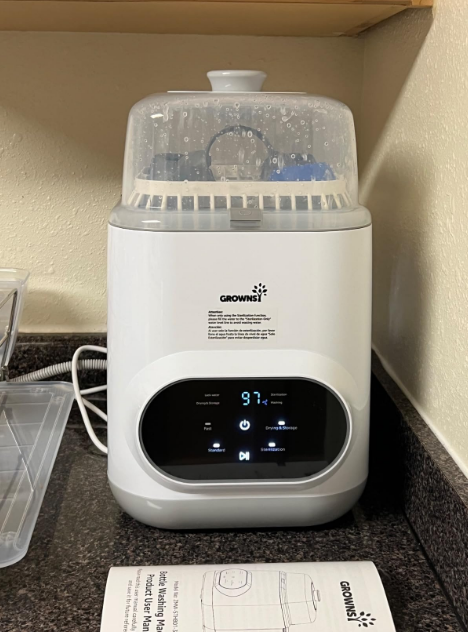
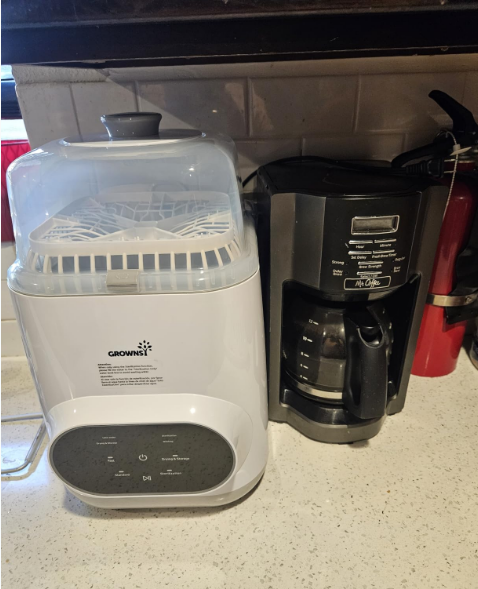
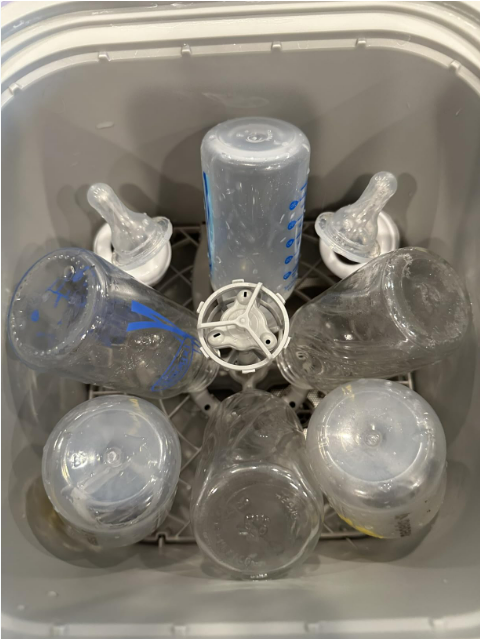
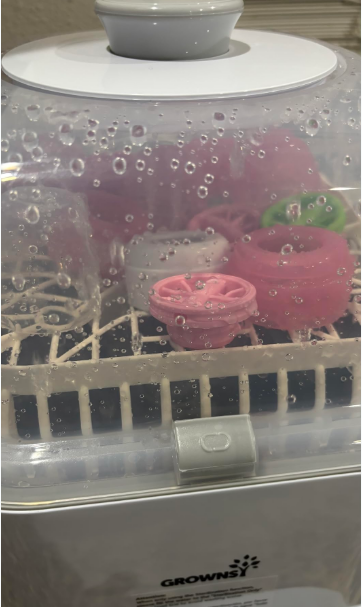
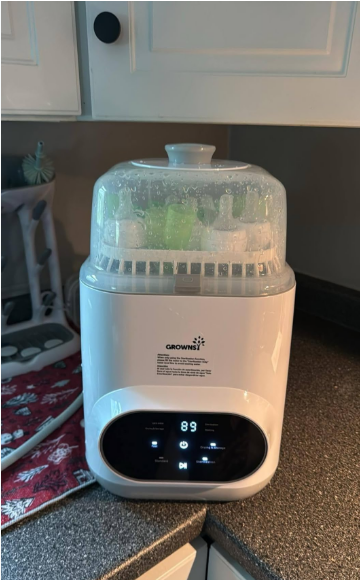
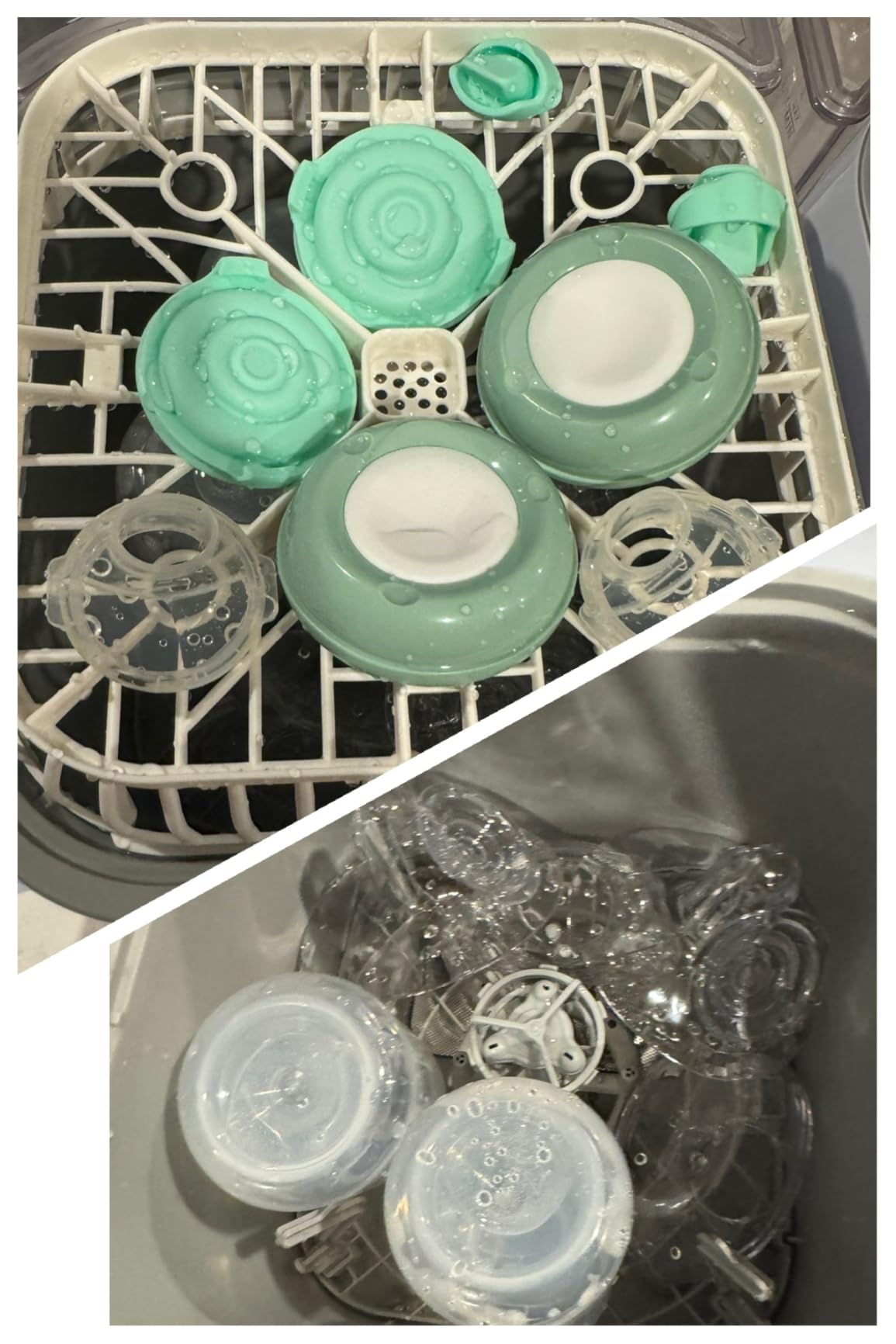
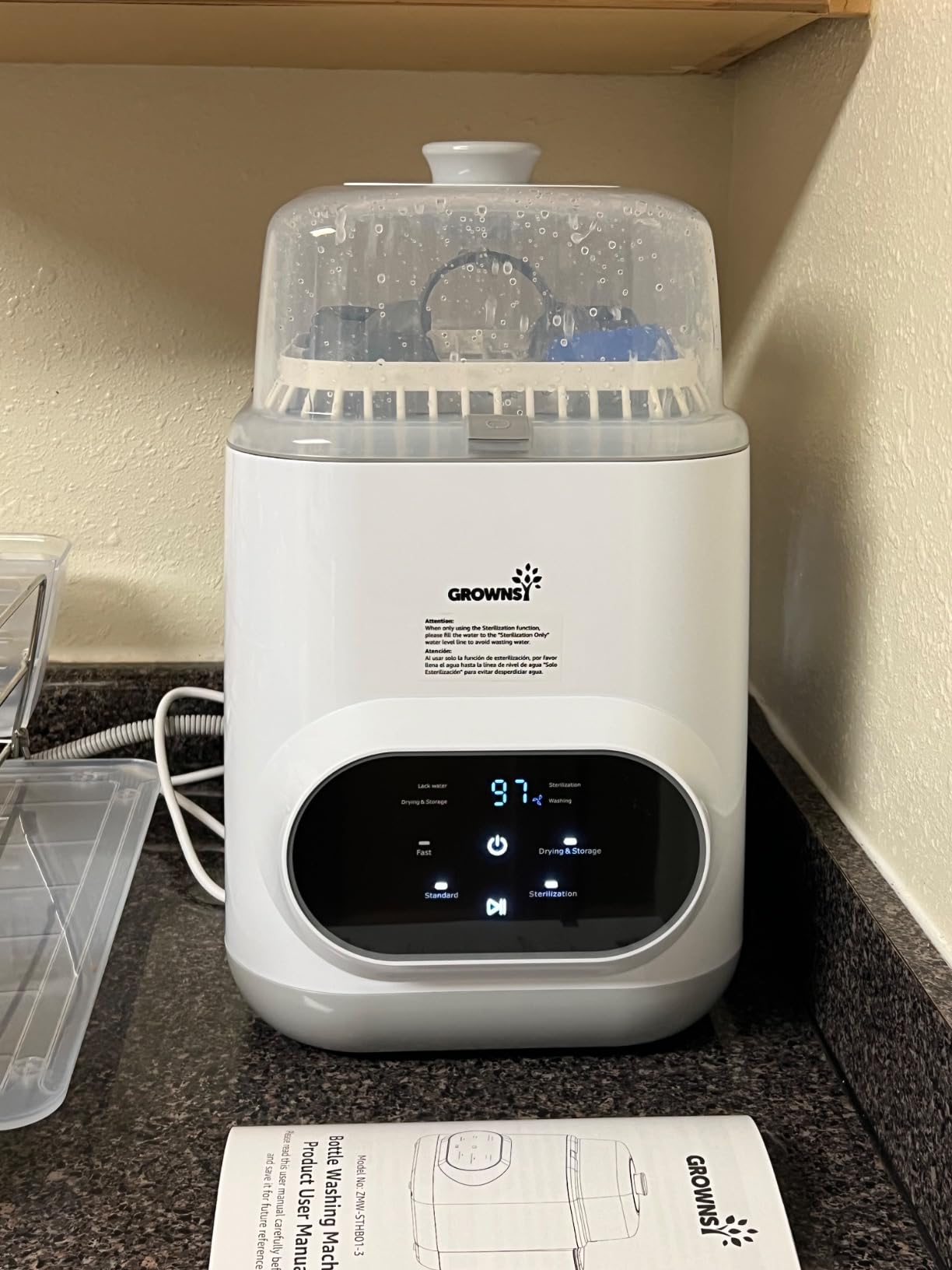
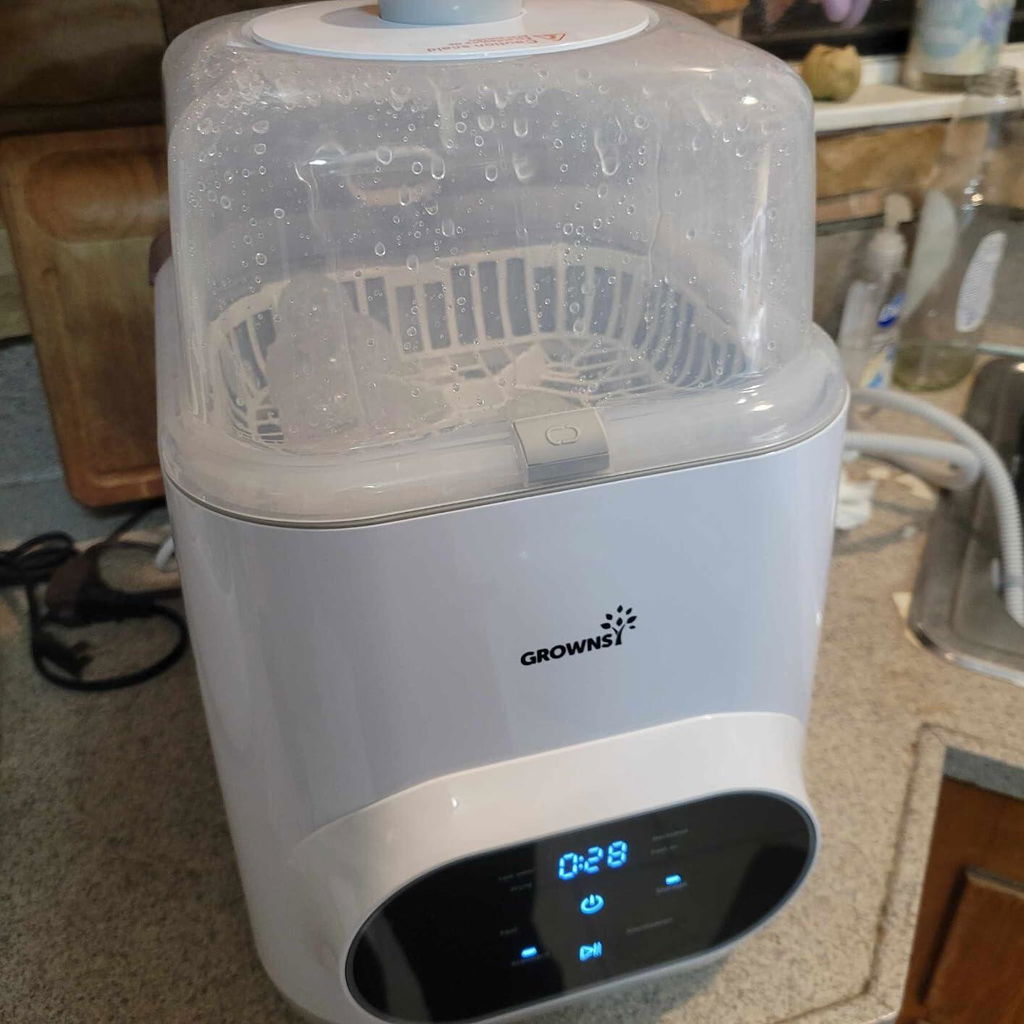
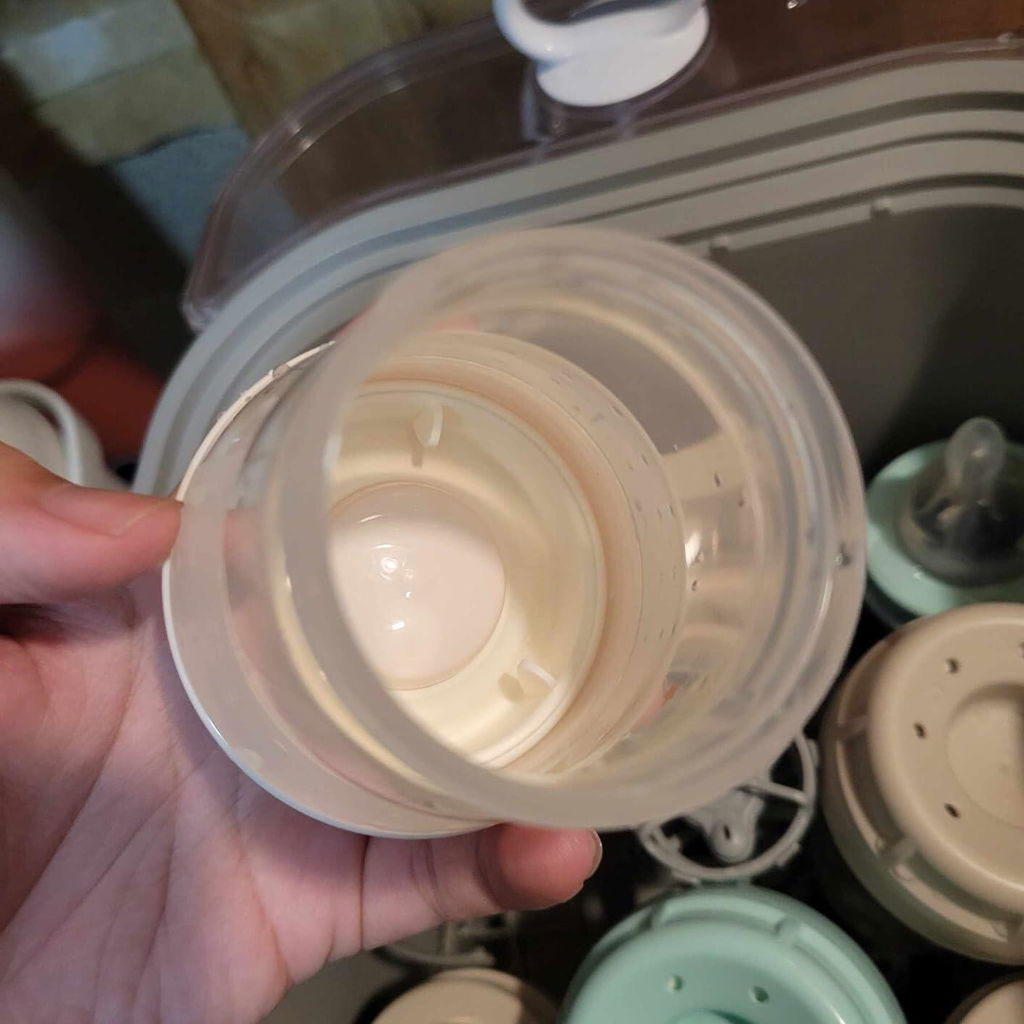
Narrow bottle necks and small parts can take extra time and attention to clean by hand.
Nipples, valves, and other small components can be tricky to scrub thoroughly.
Bottles and accessories can pile up around the sink while they air-dry.
Take $62 Off Before Time Runs Out
4-in-1 Bottle Washer Sterilizer and Dryer is backordered and will ship as soon as it is back in stock.

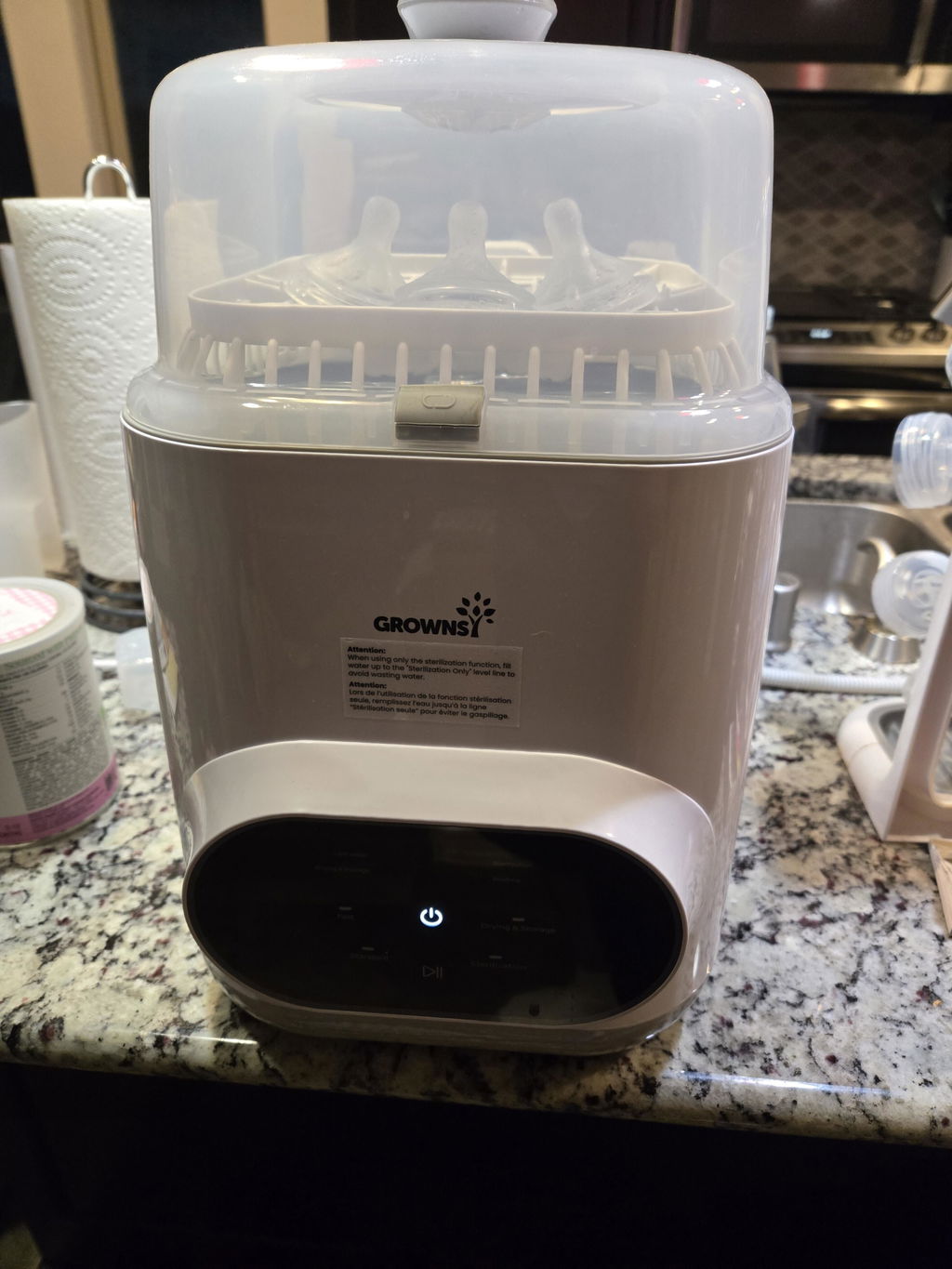
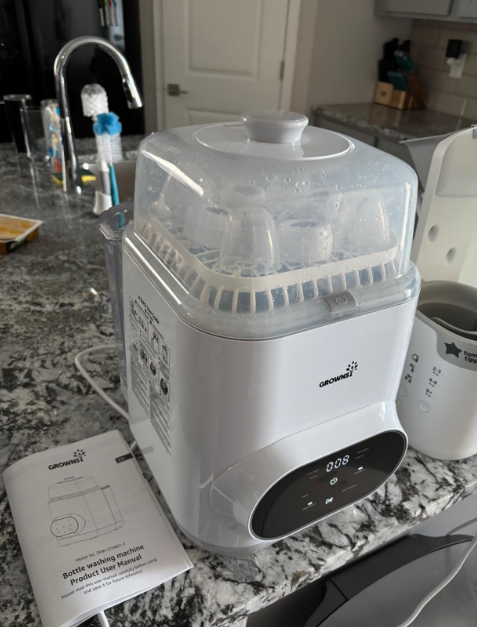
Great product, I love my grownsy. My son is 15 months old now and it still works, I’m still breast pumping and this has save my sanity for all the bottle and pump parts. I honestly have not clean it or do the maintenance that they recommend, but I have not had any problems with it
-Ryan m.
Works great! Money well spent
-Ryan m.
Great product, I love my grownsy. My son is 15 months old now and it still works, I’m still breast pumping and this has save my sanity for all the bottle and pump parts. I honestly have not clean it or do the maintenance that they recommend, but I have not had any problems with it

Great product, I love my grownsy. My son is 15 months old now and it still works, I’m still breast pumping and this has save my sanity for all the bottle and pump parts. I honestly have not clean it or do the maintenance that they recommend, but I have not had any problems with it
-Ryan m.
Specifications
• Weight: 11 pounds
• Product Dimensions: 9.84 x 13.39 x 16.14 inches
• Material Composition: Plastic


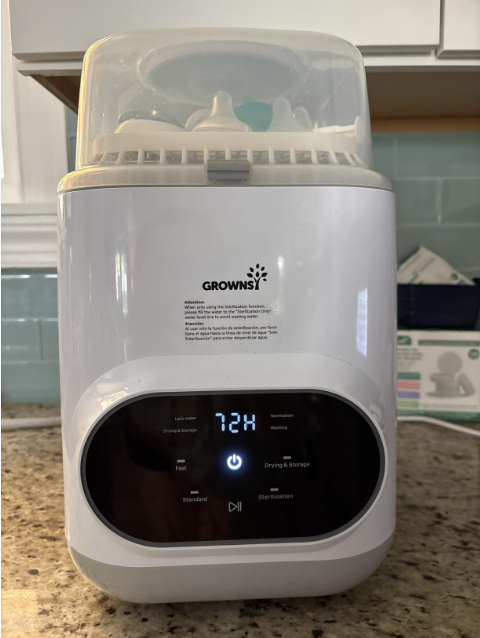
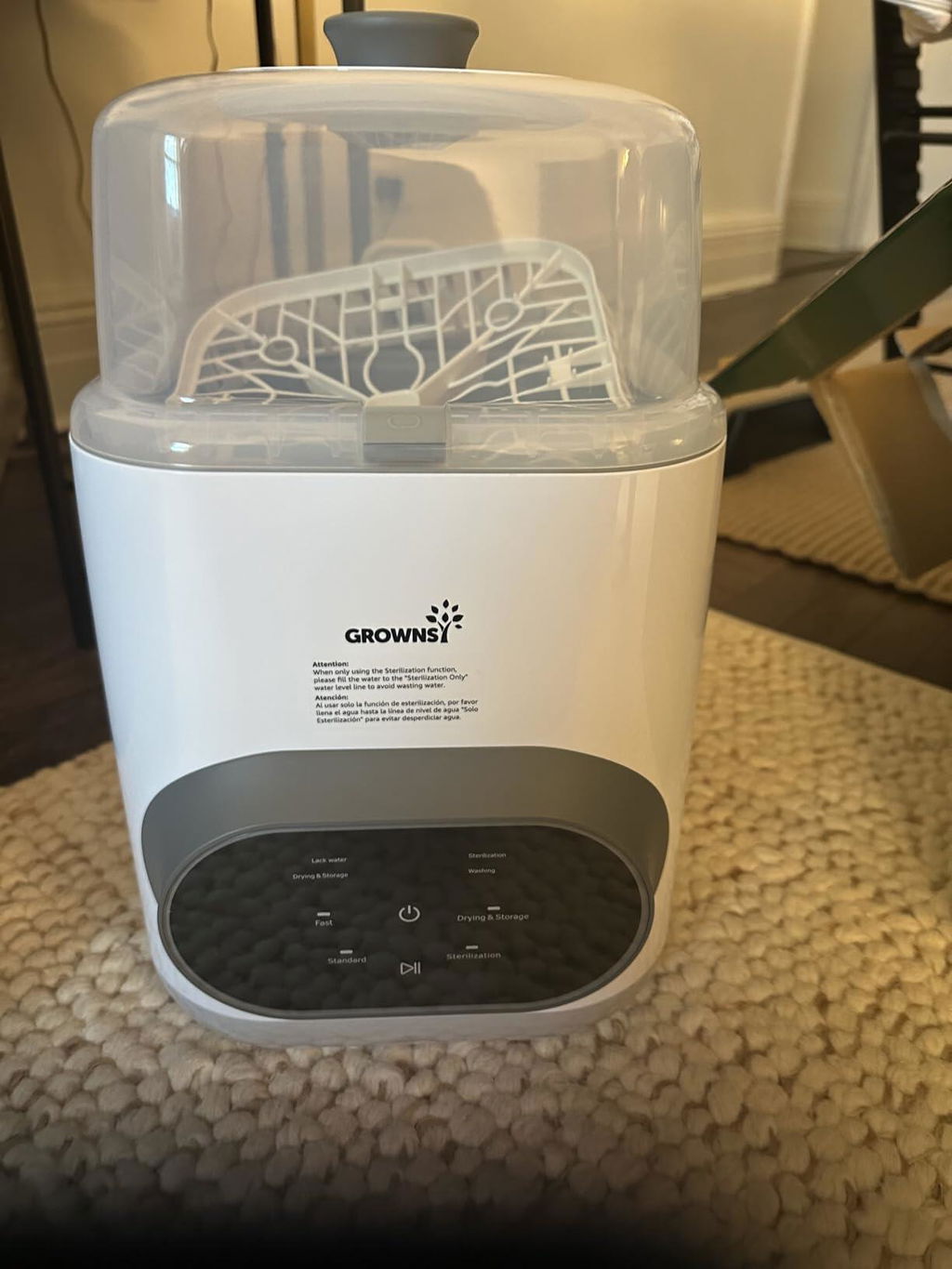
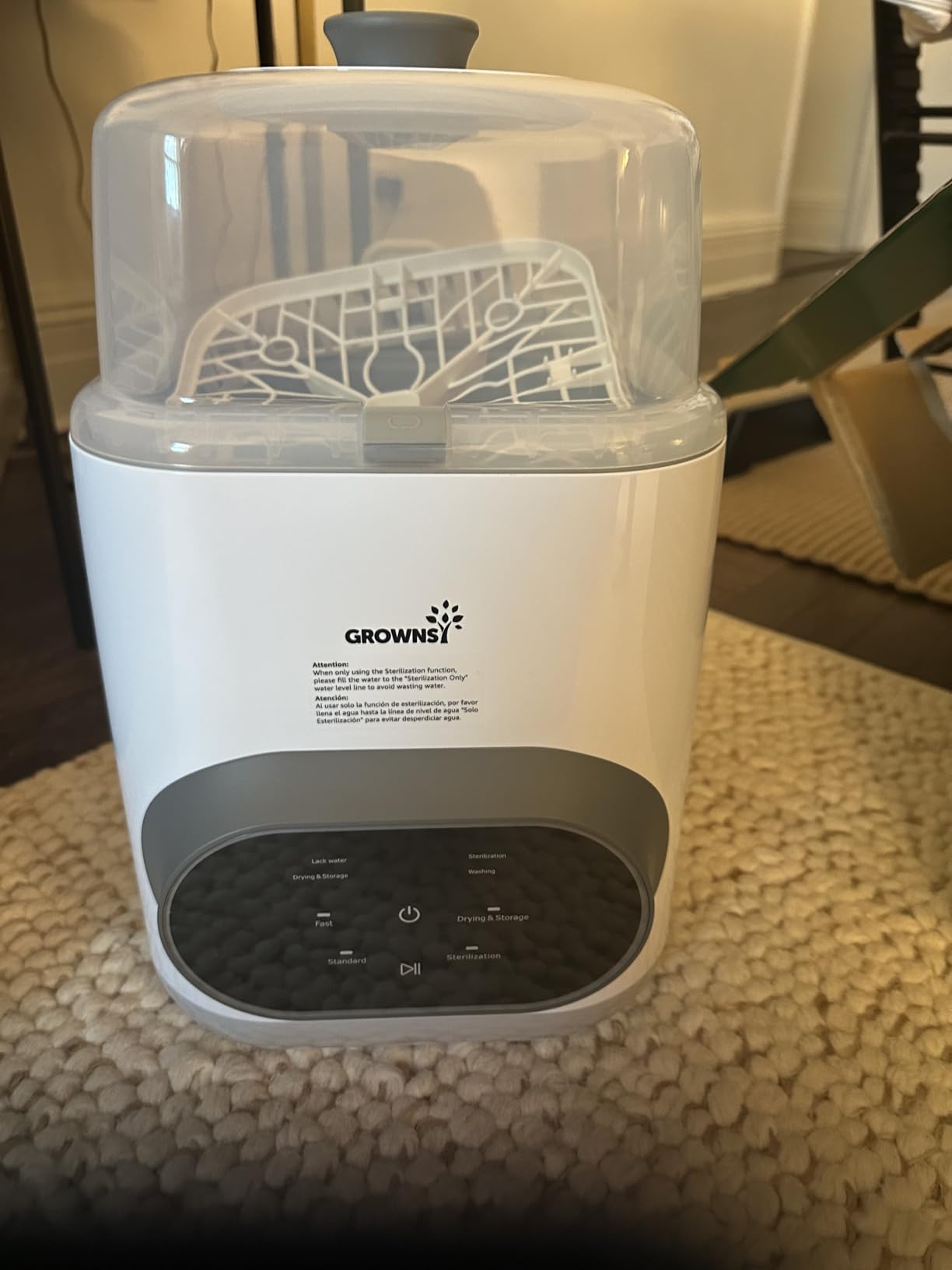
4-in-1 Bottle Washer Sterilizer and Dryer
4-in-1 Bottle Washer Sterilizer and Dryer is backordered and will ship as soon as it is back in stock.
Between bottles, nipples, and small feeding parts, cleanup can quickly add up. EaseClean helps simplify the routine, so you can spend less time at the sink and more time with your baby.
Narrow bottle necks and small parts can take extra time and attention to clean by hand.
Nipples, valves, and other small components can be tricky to scrub thoroughly.
Bottles and accessories can pile up around the sink while they air-dry.
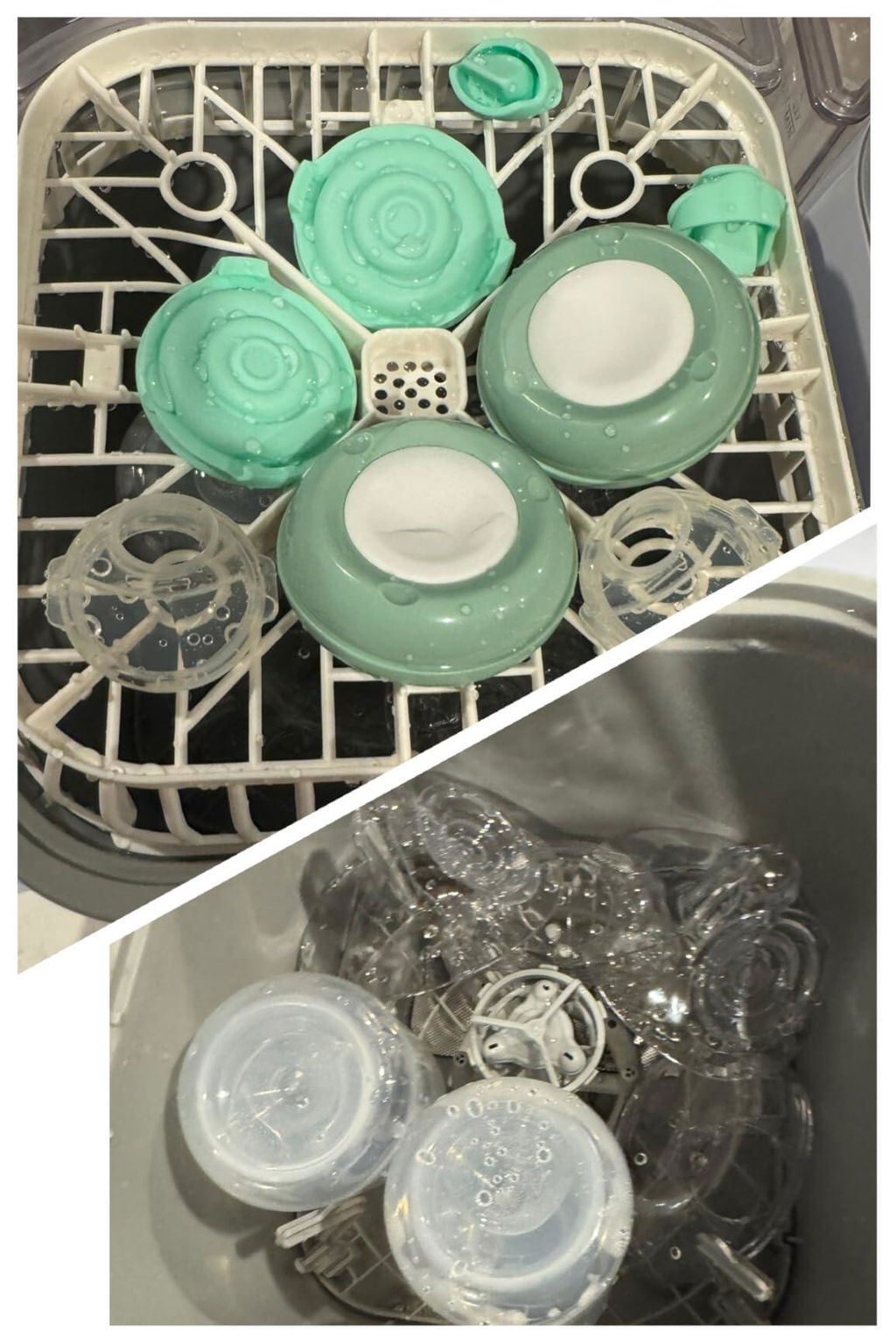
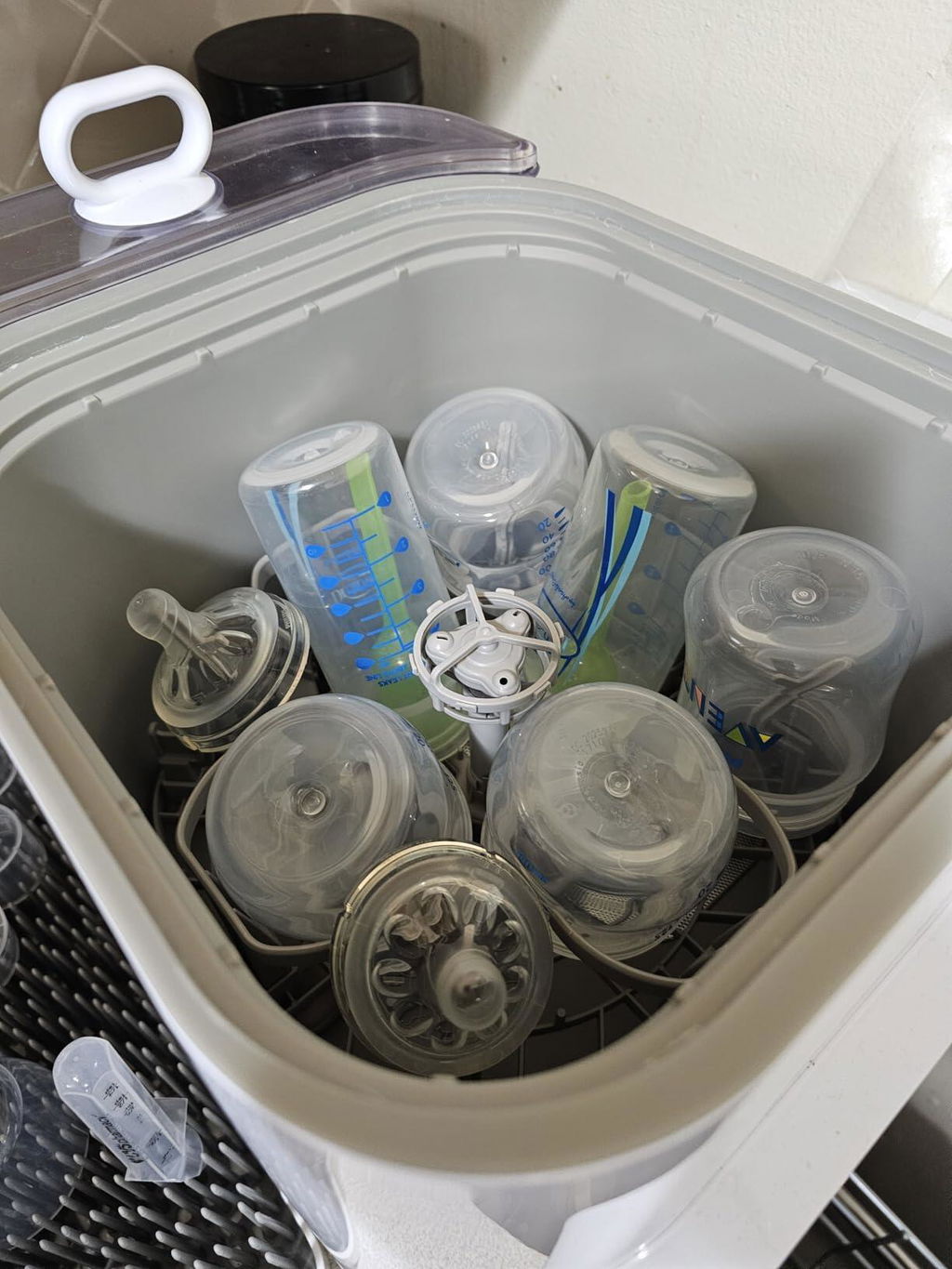
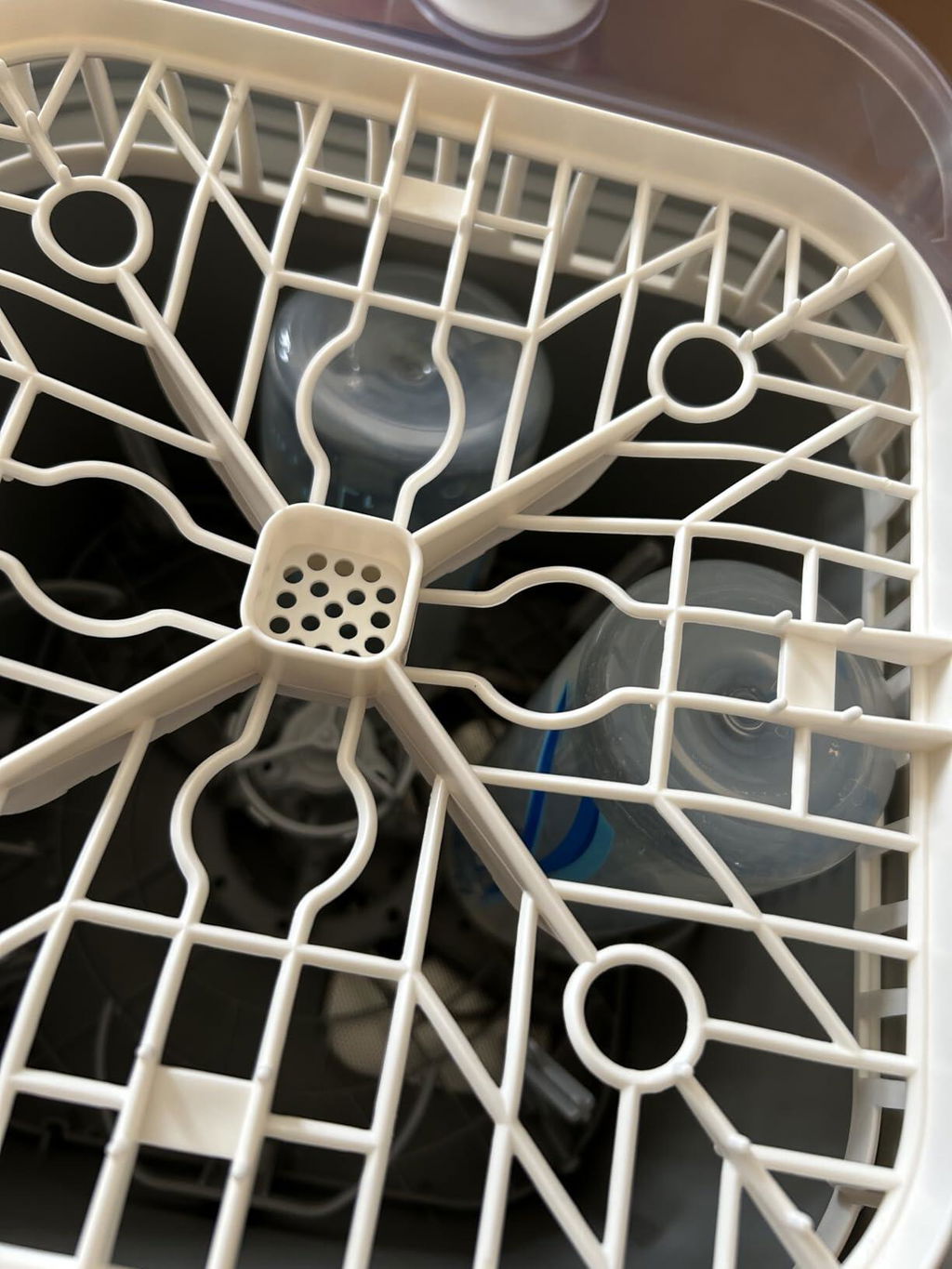
Place compatible bottles and feeding accessories inside, choose a cycle, and let EaseClean handle the wash.
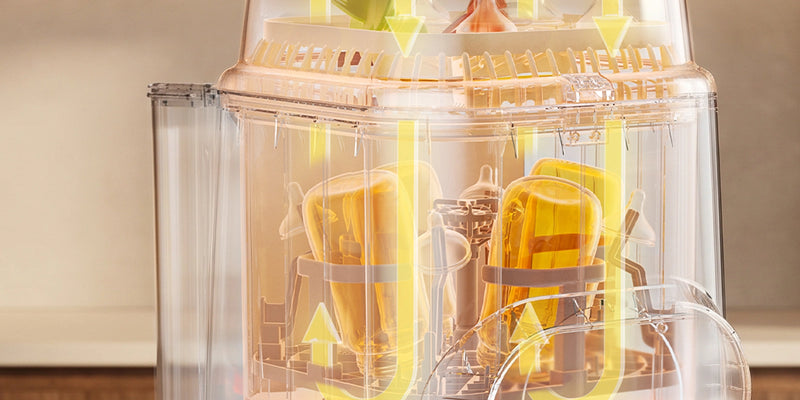
26 spray jets help wash bottle interiors and exteriors. A separate steam cycle follows washing for an added sanitizing step.
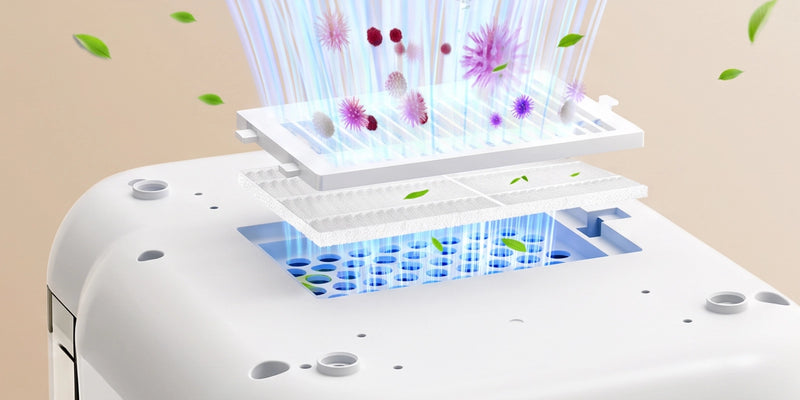
A 60-minute hot-air drying cycle and covered HEPA-filtered storage help keep feeding essentials together between uses

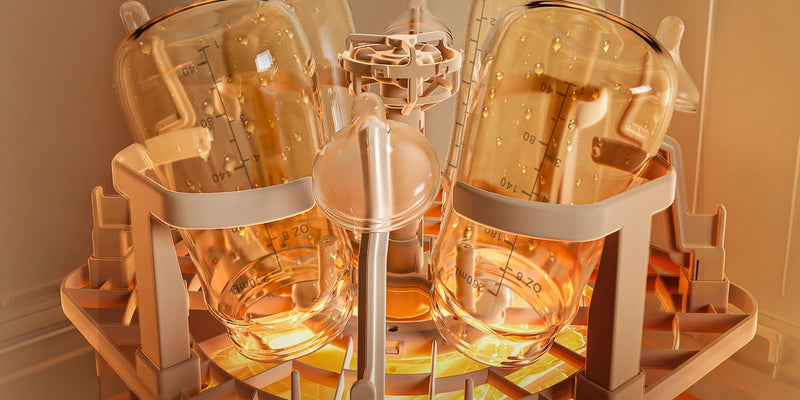
12 targeted jets reach bottle interiors, while 14 swirling jets wash exterior surfaces. Together, the 26-jet system delivers 24,000 Pa of water pressure.

After washing, a 10-minute cycle uses 212°F (100°C) steam to sanitize cleaned feeding items.

HEPA-filtered air is used during drying and covered storage.


26-Jet Spray System
12 targeted jets reach bottle interiors, while 14 swirling jets wash exterior surfaces. Together, the 26-jet system delivers 24,000 Pa of water pressure.
Actually, it is not recommended to use dish soap due to its ingredients as potential irritants or allergens that is potentially harmful for baby. If you have to use dish soap to clean your baby bottles, check for surfactants such as sodium lauryl sulfate (SLS) and sodium laureth sulfate (SLES), and rinse every bottle part thoroughly, as the potential for irritation depends on the formulation and how the soap is used.
Honestly, using dish soap is potentially risky for your baby's digestive system, especially in the newborn stage. If nothing else, it is better to boil and sterilize all baby gear and feeding bottles after using dish soap.
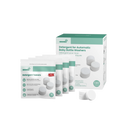
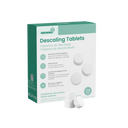
Furthermore, we encourage you to consider investing in a infant bottle cleaner machine matched with the bottle tablets designed for baby bottle washing, which use natural enzymes to remove dried milk residue, stains, and odors, and won't pick up the smell of chemical agents like dish soap.
No, even if you already have a standard dishwasher. The most important reason is that the design is for different scenes. The dishwasher is designed for all plates and bowls in the kitchen. When you put the feeding bottles and baby feeding accessories into the traditional dishwasher, it is possible to let the germs to risk baby delicate digestive system especially for newborn stage.
By contrast, the feeding bottle washer is intended to help wash baby bottles and pump parts, sippy cups, and other baby feeding accessories professionally. Moreover, when washing baby bottles in the dishwasher, they can easily pick up the odor of food scraps, which can easily cause your baby to dislike the bottle and refuse to be fed.
Additionally, efficiency is key when you have a hungry newborn. The baby bottle washer, sterilizer, and dryer can handle 8 bottles in one cycle within 19 minutes, while it takes 4 hours using a traditional dishwasher. Also, a professional baby bottle washer will kill germs and eliminate any moisture rather than employ dishwasher machine have extra moisture, which can prompt bacterial growth and germs and then potentially harmful to baby.
So, choosing a best bottle washer is helpful, particularly for busy parents and twin families. An automatic bottle washer, sterilizer and dryer helps you save time, giving you even more spare time to company with little guy instead!
For a detailed comparison, read our guide to bottle washers vs. dishwashers
Absolutely, it is recommended to wash and sterilize baby bottles after every daily feeding when your little guy is in the newborn stage. In the first 12 months of a baby's development, their digestive system is fragile. When hand washing, it is easier to leave milk residue and extra moisture, which results in bacterial growth that is harmful to a baby’s delicate stomach. We encourage you to invest in an applicant like all-in-one feeding baby bottle washer to help make the process including cleaning, sterilizing and drying more easier and less time, especially for twin family or busy parents.