


Every parent knows the sound: that first sniffle or cough coming from the crib. It naturally brings up questions. Is it just a common cold, or could it be seasonal allergies? Or perhaps it's RSV, which we hear so much about? While seeing your little one under the weather is never fun, understanding the symptoms can bring a lot of peace of mind. By knowing what to look for, you can focus on providing the right comfort and care through proper symptom identification. This guide will help you spot the differences and offer gentle, effective ways to help your baby feel better.
Cold, RSV, and Allergies in Babies
Before we dive into the signs, it helps to know the basics of what we are dealing with.
The Common Cold
Colds are a normal part of growing up. They are caused by viruses that affect the nose and throat. A cold typically comes on gradually over a day or two and usually runs its course in about a week. It is uncomfortable but generally manageable with extra cuddles and rest.
RSV (Respiratory Syncytial Virus)
RSV is another very common virus. In fact, most children will have had it by their second birthday. For many, it looks just like a cold. However, according to the Centers for Disease Control and Prevention, it can sometimes cause more mucus and affect the lower airways, leading to more coughing or wheezing. It is something to watch a bit more closely, especially in very young babies.

Allergies
Allergies aren't caused by a virus at all. Instead, they are the body's reaction to things like pollen, dust, or pets. Unlike a cold or RSV, allergies don't cause a fever. They tend to stick around as long as the trigger—like blooming flowers or the family cat—is nearby.
The 5 Key Signs Checklist: How to Tell Them Apart
Distinguishing between these three can be tricky, but watching for these five specific signs can give you valuable clues.
1. Fever Presence
This is often the clearest indicator.
- Cold/RSV: A fever is common with both. It is the body's way of fighting the virus.
- Allergies: Allergies never cause a fever. If your baby feels hot, it is likely a virus.
2. Mucus Color and Texture
- Cold/RSV: Mucus often starts clear but usually turns thick, yellow, or green after a few days. This is a normal progression.
- Allergies: The discharge typically stays clear, thin, and watery.
3. Itchy Eyes and Nose
- Allergies: If your baby is constantly rubbing their eyes or nose, or if their eyes look watery and red, think allergies.
- Cold/RSV: Viruses might make eyes look a bit glassy or tired, but intense itching is the hallmark of an allergic reaction.
4. Duration of Symptoms
- Cold: Usually peaks around day 3 or 4 and fades within 7 to 10 days.
- RSV: Can last a bit longer, often up to two weeks, with a cough lingering at the end.
- Allergies: Symptoms persist as long as the allergen is present. If the "cold" has lasted for weeks without changing, it might be allergies.
5. Breathing Patterns
- Cold: Stuffy nose is common.
- RSV: Watch for wheezing (a whistling sound) or faster breathing. RSV creates a lot of thick mucus that can make breathing a bit harder work for little lungs. The Mayo Clinic notes that severe RSV can lead to bronchiolitis or pneumonia.
- Allergies: Usually presents as general stuffiness or sneezing, rarely affecting the lungs directly.

When to Call the Pediatrician Immediately
While most respiratory bugs can be handled at home with love and care, there are times when you should reach out to your doctor. Trust your instincts—you know your baby best.
Call your pediatrician if you notice your baby is working hard to breathe. Look for flaring nostrils or the skin pulling in between their ribs. If your baby is very young (under 3 months) and has a fever, or if they are dehydrated (fewer wet diapers than usual), it is always best to check in. The American Academy of Pediatrics recommends immediate consultation for any infant under 3 months with a fever over 100.4°F.
Safely Clearing Congestion for Better Sleep
When a baby is congested, sleeping and eating become difficult. Helping them breathe easier is the best way to support their recovery.

Gentle Suction
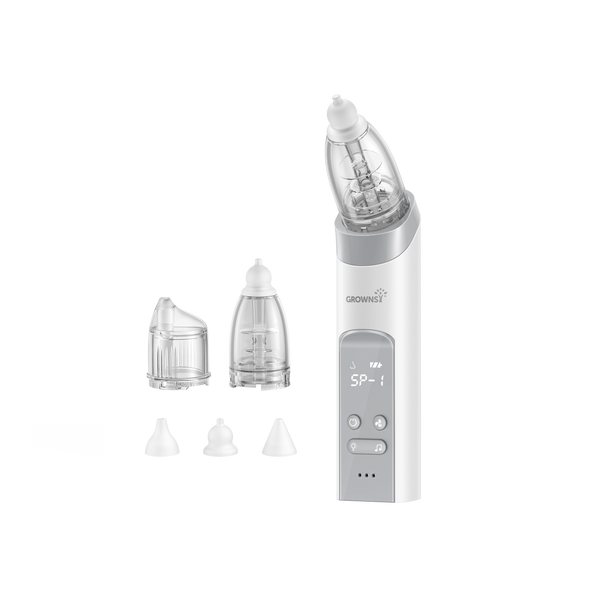
Babies can't blow their noses, so they need your help. A safety first nasal aspirator or a modern electric nasal aspirator can be a lifesaver. Before feeding or bedtime, use a drop or two of saline solution to loosen the mucus. Then, gently use the aspirator to clear the airways. The electric models are often preferred because they provide steady, gentle suction that is quick and effective, minimizing fussiness. For more tips, read our guide on clearing baby's nose.
Humidity Helps
Running a cool-mist humidifier in the nursery adds moisture to the air. This helps keep nasal passages moist and loosens congestion, making it easier for your baby to breathe comfortably throughout the night.

Why Sanitizing Matters During Recovery
When a virus is in the house, germs can linger on surfaces. A few simple hygiene habits can help prevent the virus from spreading to siblings or reinfecting your baby.
Focus on "Mouth" Objects
Pay special attention to anything that goes in your baby's mouth. Pacifiers, teething toys, and bottle nipples should be cleaned frequently. Using a bottle sterilizer is an excellent way to ensure these items are germ-free without using harsh chemicals. You can learn more about sterilizing baby gear safely in our blog.
Wash Hands Often
It is the oldest advice in the book because it works. Encourage everyone in the family to wash their hands frequently, especially before holding the baby. Wiping down high-touch surfaces like doorknobs and phones also helps reduce the overall germ load in your home.
Surviving the Season with Confidence
Navigating colds, RSV, and allergies is a rite of passage for every parent. While hearing a cough can be worrisome, remember that these illnesses are common and usually temporary. By watching the signs, using helpful tools like a reliable nasal aspirator, and keeping things clean, you are doing a wonderful job. Your comfort and care are exactly what your baby needs to get back to their smiling self.
[[related_products_4]]
FAQ
Can I use an electric nasal aspirator on a newborn?
Yes, most are designed to be safe for newborns. Look for one with adjustable suction levels and soft silicone tips to ensure it is gentle on tiny, delicate noses.
How often should I use the aspirator?
It is best to use it only when necessary, typically before feedings and bedtime. Overusing it can sometimes irritate the inside of the nose, so aim for relief rather than perfection.
Does a bottle sterilizer kill cold viruses?
Yes, steam sterilization effectively kills the vast majority of bacteria and viruses, including common cold and flu viruses. It is a great tool for keeping feeding items hygienic during illness.
Can allergies turn into a cold?
No, allergies and colds are different. However, untreated allergies can cause inflammation in the nose and throat, which might make it easier for a cold virus to take hold if your baby is exposed.


