


14 Month Old Sleep Schedule: Navigating the One-Nap Transition
If your 14 month old sleep schedule is constantly shifting, you're not alone. This age falls at the cusp of a big transition --- two naps becoming one --- and can disrupt even the most regular schedules.
In this guide, you will learn how much sleep your toddler truly needs, what wake windows are like at 14 months, an example schedule for both one-nap and two-nap days, what to expect during the transition, and how to manage it without losing your mind.

How Much Sleep Does a 14-Month-Old Need?
Total Sleep in 24 Hours: Nighttime and Daytime Breakdown
The American Academy of Sleep Medicine recommends that most 14-month-olds require a total sleep of 11-14 hours each day. For most toddlers, the sweet spot is approximately 12-13 hours.
It goes like this:
- Sleeping at night: 10 to 12 hours
- Naps during the day: 1.5-3 hours (when to take your toddler to nap depends on whether they follow one or two nap schedules)
How Long Should Each Nap Last at This Age?
When napping twice a day, the napping time is usually about 45 minutes to 1.5 hours. Typically, the first few hours of sleep in the morning are shorter, and then the afternoon sleep time is a bit longer.
On a one nap per day schedule, it is best for your baby to nap for one and a half to two and a half hours in the middle of the day. Your toddler may not be ready to make the transition if they are not down for an hour or more.
What Time Should Your Toddler Go to Bed?
The suggested sleeping time for the majority of 14-month-olds is 6:30 PM to 8:00 PM. If your toddler had a brief nap or is changing nap schedules, try to aim a little earlier by going closer to 6:30 or 7:00 PM.
Wake Windows for a 14-Month-Old
Wake windows are the stretches of awake time between sleep periods.
- Two-nap days: Wake windows of approximately 3 to 3.5 hours between each sleep period
- One-nap days: A morning wake window of 4 to 5 hours before the nap, and an afternoon wake window of 4 to 5 hours before bed
Why Wake Windows Change on 1-Nap vs. 2-Nap Days
On a two-nap day, your toddler will be taking more naps, and the wake windows will be shorter (around 3 to 3.5 hours between naps). On the other hand, when your toddler sleeps once a day, they have to stay awake much longer so they can sleep well throughout the night.
That's why the 14 month old sleep schedule fluctuates from week to week; sometimes they stay awake easily during the day, and sometimes they're clearly ready for a morning nap. This is a normal developmental fluctuation, and this is one of the characteristics of the transition period.

Sample 14-Month-Old Sleep Schedule
Sample 2-Nap Schedule (Still Common at 14 Months)
Many toddlers are still comfortably on two naps at 14 months. Here is what a typical two-nap day might look like:
| Time | Activity |
|---|---|
| 6:30--7:00 AM | Wake up |
| 9:30--10:00 AM | Nap 1 (45--75 min) |
| 2:00--2:30 PM | Nap 2 (45--90 min) |
| 7:00--7:30 PM | Bedtime |
If the second nap is ending after 4:00 PM, you may want to push bedtime slightly later or shorten that second nap to protect nighttime sleep.
Sample 1-Nap Schedule (For Babies Ready to Transition)
If your toddler is showing clear signs of readiness for one nap, a schedule might look like this:
| Time | Activity |
|---|---|
| 6:30--7:00 AM | Wake up |
| 12:00--12:30 PM | Nap (1.5--2.5 hours) |
| 7:00--7:30 PM | Bedtime |
During the first few weeks on one nap, expect some rough days. The morning wake window is long, so your toddler will likely be tired before the nap starts.
Does Dinner Time Affect When Your Baby Wakes Up?
Yes, meal timing can play a more significant role than many parents realize. A toddler who eats dinner too close to bedtime may have digestion disrupting their early sleep. On the other hand, a toddler who is hungry at night may wake earlier than expected.
Try to have dinner 1 to 1.5 hours before going to sleep. This will give your child some time to process the food, give a gentle period of calm, and let your child know that they will not be going to bed on an empty stomach.
Why Is My 14-Month-Old Fighting Bedtime and Naps?
Walking, Talking, and New Skills That Hijack Sleep
At 14 months, most of the toddlers are making significant developmental strides, and walking and talking are among the new skills that are taking over sleep. Learning to walk, climb, babbling and starting to grasp simple words all happen simultaneously.
During the learning period, the brain is more active, making it difficult for toddlers to be calm. This is perfectly natural and usually gets better in a week or so after the skill has been mastered.

Is There a 14-Month Sleep Regression?
Yes, the 14-month sleep regression is very real, but it is not always referred to by its name. It has been tightly linked to the developmental "big jump" that occurs at 12 -- 15 months when toddlers are undergoing rapid cognitive and motor growth.
Signs are rapid rejection of naps, increased night waking, waking up early, and increased cuddling at bedtime.
Separation Anxiety: Why Your Toddler Suddenly Needs You at Bedtime
Separation anxiety is most intense between 10 months and 18 months, which makes 14 months the prime age for separation anxiety.
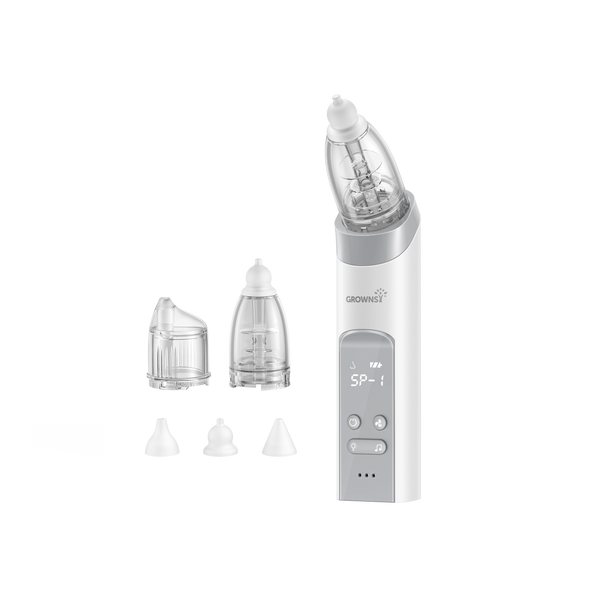
A small but important component of that routine is making sure that your toddler feels comfortable and doesn't struggle to breathe during sleep. If congestion is waking your child, a Grownsy Nasal Aspirator offers gentle suction with a built-in micro-mist spray to clear the little airways quickly and without fuss.
Sleep Associations: When Your Baby Can't Settle Without You
A sleep association is anything your toddler relies on to fall asleep, i.e., nursing, rocking, a pacifier, or your presence. If the association is through active involvement in an action, your toddler will need it again every time they come out of sleep cycles.
The 2-to-1 Nap Transition: Is Your Toddler Ready?
Is 14 Months Too Early for One Nap?
Signs your 14-month-old may be ready to drop to one nap:
- Consistently refusing the second nap for 2 or more weeks.
- Taking a long time to fall asleep for a nap, even when the wake window is appropriate
- Napping fine, but then taking 45+ minutes to fall asleep at bedtime
- Nap two is ending late (after 4:30 PM), and bedtime is being pushed past 8:00 PM.
Signs they are probably not ready yet:
- Falling asleep immediately in the car or stroller in the morning
- Becoming overtired and cranky before nap time
- Consistently sleeping well for both naps when offered.

How Do I Handle Nap Refusal Without Dropping the Nap Too Early?
Nap refusal at this age does not automatically mean your toddler is done napping. Before cutting a nap, try these strategies:
- Adjust the wake window first. If your toddler is refusing to nap, try pushing it 15 to 30 minutes later. A slightly longer wake window may be all they need.
- Offer a quiet time. If they will not sleep, have them rest in the crib with a few safe toys for 20 to 30 minutes.
- Use a split-week approach. During the transition period, some families do one-nap days a few times a week and two-nap days when the toddler shows clear tiredness.
- Try a carrier for the transition period. Some toddlers who resist the crib during the nap transition will happily drift off while being carried. Try using a Grownsy Baby Carrier that is ergonomically designed to support toddlers up to this age, keeping their weight evenly distributed.
How to Build a Bedtime Routine at This Age
A Step-by-Step Bedtime Routine for Toddlers (30--45 Minutes)
A consistent routine is one of the most powerful tools you have for improving your 14-month-old sleep schedule.
Here is a simple, effective routine:
- Bath or warm washcloth wipe-down (5--10 minutes)
- Pajamas and diaper change (5 minutes)
- Milk or a small snack if needed
- Brush teeth (2 minutes)
- One or two books (5--10 minutes)
- Lullaby or quiet song (2--3 minutes)
- Crib, goodnight phrase, and exit
Tips for a Sleep-Friendly Environment
A friendly sleep environment is very important while setting up your child's sleep schedule. For a 14-month-old, aim for darkness, white noise (65-70 decibels), temperature between 68-72°F, and a safe crib setup.
Is Moving Bedtime Earlier Helpful?
Yes. Move your toddler's bedtime to 30 minutes earlier and observe it for a few days. Because if your toddler passes their sleep window, their stress hormones make it harder for them to sleep at night.
FAQs
1. Is 14 Months Too Early to Transition to One Nap?
It can be, but not always. The average transition age is 15 to 18 months, but developmentally, some children are ready earlier. The key is looking at patterns over 2 weeks or more, not a few isolated days of nap refusal.
2. Is Milk Necessary Before Bed?
If your toddler eats well throughout the day and has a good snack schedule, they may not need milk at night.
3. My Toddler Only Falls Asleep in Our Bed --- How Do I Change This?
Try using the "chair method," often referred to as the gradual retreat approach. Put your toddler down in the crib when they are drowsy. Then, over the course of several nights, move the crib towards the door.
Pro Tip: Having clean bottles by your side helps a lot during nighttime feeding. You can use a Grownsy 4-in-1 EaseClean Bottle Washer for this purpose.

Building Sleep Habits That Last into Toddlerhood
What you do now goes further than you think. Designing the sleep schedule of a 14-month-old properly can help prepare your child for the transitions they are about to experience.
Consult your pediatrician in case your toddler's sleep issues last beyond 4 weeks or if your toddler stays sleepy even after sleeping for an ample time.
Editor's Recommendation
The 14 month old sleep schedule is one of the most common challenges of the infant-to-toddler transition. The easiest tools that aid the most are: a consistent routine, proper wake windows, and a sleep-promoting environment.
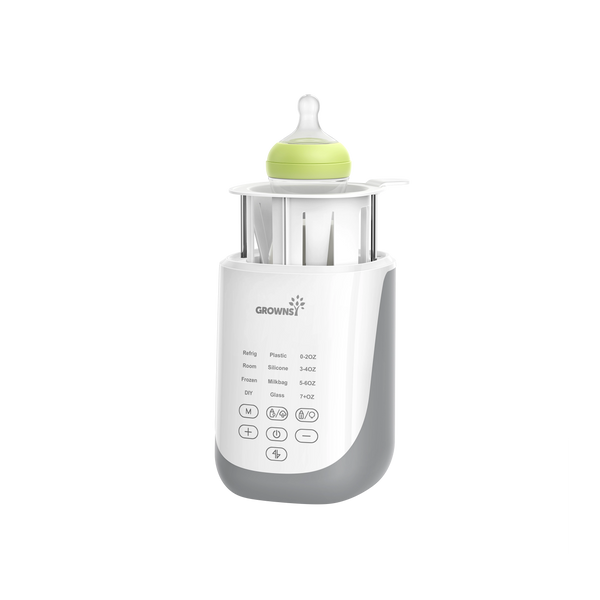
What many parents forget is that having the resources needed to help establish a calm bedtime routine makes it much easier. Small purchases in the bedroom area can make a big difference, whether it's a Fast Bottle Warmer or a white noise machine that sets the right tone for a good night's sleep.
Don't make any big changes unless you can watch your child over the course of a week or two. Toddlers are resilient, and it is often more effective to make small, consistent changes rather than dramatic changes.
Disclaimer
This article is for educational purposes only and should not be used as medical advice. Sleep requirements of all children vary. No information present online can replace medical advice. Refer to your pediatrician if your toddler's sleeping issues persist even after following the advice available online.
Related Articles
1. All You Need to Know About 3-Month-Old Sleep Schedule
2. 10 Month Old Sleep Schedule: The Complete Parent's Guide
3. The Ultimate Guide to 8 Month Sleep Schedule


