15-Month-Old Sleep Schedule That Actually Works
Your child has reached 15 months old, becoming increasingly mobile, developing vocabulary, and becoming increasingly independent at this stage of growth.
As a result, changing their sleep patterns at 15 months can cause chaos for both your child and you. Transitioning from two to one nap is an integral part of your child's development and is essential for your continued sanity too!
In this article, we will provide essential tips for a 15 month old nap schedule and any possible issues with sleep regression during this transition.

What Should a 15-Month-Old Sleep Schedule Look Like?
Your 15-month-old will likely require less total sleep than they did at 14 months. This is because most toddlers still need 2 naps during the day and are continuously changing.
How Much Sleep Does a 15-Month-Old Need in 24 Hours?
According to the AAP, children two years old or younger require between 11 and 14 hours of sleep in total each day -- something to keep in mind as you are compiling how much sleep your child has gotten throughout the day and at nighttime.
Sample 15-Month-Old Sleep Schedule
Below are two examples of sleep schedules for children 15 months old and not requiring a 2nd nap.
Option A: One Nap Schedule (As Desired)
- 7:00 AM: Wake up
- 12:30 PM -- 2:30 PM: Nap (2 hours)
- 7:30 PM: Bedtime routine begins
- 8:00 PM: Asleep
Option B: The Two-Nap Schedule (For late bloomers)
- 7:00 AM: Wake up
- 10:00 AM -- 11:00 AM: Nap 1
- 2:30 PM -- 3:30 PM: Nap 2
- 8:00 PM: Asleep
Myths about Sleep Changes Around 15 Months
Many parents believe that their young child no longer requires a nap when he/she protests at naptime. This is a common myth!
Why Your Toddler May Suddenly Fight Naps
At this point, your toddler will really feel the pressure of "FOMO" or fear of missing out. They now know that while they are asleep, everything carries on outside, and they may fight their nap times.
Why Your 15-Month-Old May Start Waking at Night Again
Night wakings at this age are typically not due to hunger but rather due to developmental leaps or anxiety regarding separation from your mother. They begin to think and imagine more, and this has been developed through the improvement in their cognitive abilities.
Why Early Morning Waking Often Happens During this Period
A child's waking up at 5 am is a common sign that their 15-month-old nap schedule is off. This could be due to having too many daytime naps or being overtired due to being too far apart from bedtime.

15-Month-Old Nap Schedule: The Great Transition
There is much confusion about the amount and frequency of sleep for infants/toddlers. For example, will a 15-month-old child sleep better with 1 or 2 daily naps?
Should a 15-Month-Old Take One Nap or Two Naps?
The average age for the transition from taking 2 naps to taking 1 nap is 13 - 18 months. As an example, the majority of children stopped napping twice daily by approximately fifteen months of age. While many will indeed be ready to start combining them like this and eventually giving up the morning nap.
What Signs Show a Toddler Is Ready for One Nap?
- They have refused the morning nap consistently for two weeks.
- They take long morning naps but then consistently refuse to take afternoon naps.
- The child is currently taking 2 daily naps, however is having trouble falling asleep at 9 p.m. due to lack of fatigue.
- The child's daily routine includes waking up at very early hours each day.
What Signs Mean a Toddler Still Needs Two Naps?
- They often become very overtired if they do not get a morning nap by around noon
- After about 10 a.m., they tend to be very cranky or irritable, exhibit clumsiness and thus prove very tired
- They fall asleep easily for both naps.
How Long Should a 15-Month-Old Nap?
The typical duration of a nap for a baby that is taking just one long nap, as opposed to two shorter ones, is 2-2.5 hours. The duration of each of the two daytime naps for a baby that is taking two naps each day will average 1-1.5 hours.
What to Do If the Nap Is Only 30--45 Minutes?
Many times, children experience a great deal of tiredness and fatigue when they sleep during the day for short periods of time.
If your child wakes from a 30-minute nap, try leaving him or her in the crib for another 30 minutes in hopes that he or she may fall back to sleep again. Consider moving your child's bed time back if they take short naps on and off throughout the day but have recently started only taking one nap for the day.
What to Do If One Nap Makes Your Toddler Overtired
You may encounter the "afternoon slump" during the transition. If your child is falling apart by 5:00 pm, you may want to try an earlier bedtime of 6:30 pm to avoid the overtired phenomenon of your child being unable to stay asleep due to elevated cortisol levels.

15-Month-Old Wake Windows
At 15 months of age, a child will take between 3 to 4 hours of wake time from one nap to the next on a two-nap schedule, whereas on a one-nap schedule, they will have approximately 5 to 6 hours of waking time between naps.
Extending a Toddler's Waking Time Without Becoming Overly Tired
The goal will be to gradually increase a child from 3 hours to 5 hours of awake time. What you will not want to do is make such a large jump from one day to the next.
If you notice signs your child may be getting tired --- such as rubbing their eyes or becoming hyper --- it may mean you need to adjust your times a little earlier or later than you had originally planned.
Is There a 15-Month Sleep Regression?
In the eyes of many parents, there is a 15-month sleep regression. It does not have the notoriety associated with a 4 or 8-month regression, but it is still very much a fact.
What 15-Month Sleep Regression Can Look Like
Some examples of sleep patterns your child may exhibit during this time are resisting going to bed, waking up several times a night, or refusing to take daytime naps.
Here are some reasons your child may not be sleeping well right now:
- Walking: Their brain wants to practice walking even if it is only 2 o'clock in the morning
- Separation anxiety: Your child is now aware that you are not there with them to help them sleep.
- Teething: The first molars or canines will usually come in around this time, and cause some discomfort that will result in waking frequently.
How Long Does the 15 Month Sleep Regression Last?
Regression generally lasts from 2 to 4 weeks. The consistency of your methods during the transition is critical; if you start using any "sleep aid" (rocking your toddler to sleep for example), the regression in your toddler's sleep habits may last longer than if you do not use any sleep aids at all.
How to Fix Common 15-Month-Old Sleep Problems
1. Wakes Up at 5 AM
You want their sleep environment to be completely dark. Blackout curtains will help you to block light completely. Additionally, if you allow your toddler to sleep too long in the morning, they will not be able to develop appropriate sleep patterns.
2. Wakes Up Crying at Night
Check for physical causes when infants are fussy. Growny Nasal Aspirators can be used before bed for children with seasonal allergies and help them get a good night's sleep.
3. Refuses the Second Nap
This is a clear sign it's time to start the transition to a one-nap 15-month-old nap schedule.
4. Won't Fall Asleep Without Being Held
Toddlers are testing their limits while developing. Providing reassurance by checking on them will help them feel secure, but do not provide any external comfort if they can settle themselves.
5. Still Wakes for Milk at Night
By 15 months, most toddlers do not need calories at night. Gradually reduce the ounces in the bottle or the minutes spent nursing over a week until the feed is gone.
How to Transition a 15-Month-Old From Two Naps to One Nap

Bedtime Routine for a 15-Month-Old
A solid routine acts as a signal to the toddler's brain that it is time to wind down.
What a Good Bedtime Routine Looks Like
- Bath
- Pajamas and a clean diaper
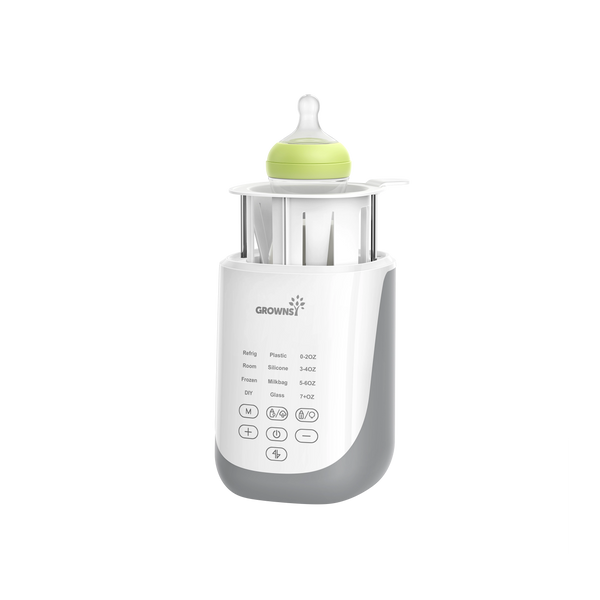
- 4 oz. warm milk served using Grownsy Bottle Warmer at a safe temperature.
- Read the child two short books
- Lay them down in the crib drowsy but awake.
How Long the Routine Should Be
The whole routine should take about 20-30 minutes. If it takes longer than this, toddlers will become stimulated and resist going to sleep.
What to Avoid Before Bedtime
- Screens
- Loud play
- Sugary snacks
- Late naps
- Bright lights
How to Handle Crying, Stalling, and Separation Anxiety
A 15-month-old is a smart negotiator. They will use crying, throwing a pacifier, or repeatedly asking for water to get you back into the room.
Respond briefly, reassure them, and leave again. Consistency matters more than perfection.
Factors Affecting Sleep Quality
Sleep quality at 15 months is affected by more than just nap timing. Environment, feeding, illness, teething, activity level, and routine all play a role.
- Keep the room dark and cool.
- Use white noise if the household is noisy.
- Avoid overstimulation before bedtime.
- Offer enough active play during the day.
- Watch for congestion, teething, or discomfort.
Feeding, Milk, and Sleep at 15 Months
Can Hunger Cause Night Waking?
By 15 months, most toddlers can sleep through the night without feeding, but hunger can still contribute to night waking if dinner was too light or poorly timed.
How Dinner Timing Can Affect Bedtime
Dinner that is too close to bedtime may cause discomfort, while dinner too early may leave your toddler hungry. A balanced dinner about 1.5 to 2 hours before bedtime usually works well.

When to Contact Your Pediatrician About Your Child's Sleep
You should contact your pediatrician if your child has persistent sleep disruption, loud snoring, breathing pauses, ongoing pain, sudden changes in behavior, feeding problems, or if sleep issues are affecting growth and development.
15 Month-Old Sleep Schedule Questions & Answers
Can teething cause sleep problems at 15 months?
Yes. Molars and canines may come in around this time and can cause night waking, fussiness, and nap resistance.
Should I wake my 15-month-old from sleeping too long?
Sometimes. If a nap goes too late or too long and pushes bedtime back, waking your toddler may help protect nighttime sleep.
How do I know if my child is overtired or undertired?
An overtired child may be hyper, cranky, clumsy, and hard to settle. An undertired child may resist sleep, play in the crib, or take a long time to fall asleep without seeming upset.
Conclusion
The 15-month-old sleep schedule is rarely perfect, but it can become manageable with the right wake windows, consistent bedtime routines, and a careful transition from two naps to one.
Some toddlers will be ready for one nap at this age, while others still need two. The key is to watch your child's patterns instead of forcing a schedule too quickly.
Disclaimer
This article is for informational purposes only and is not a substitute for professional medical advice. Always consult your pediatrician before making changes to your child's sleep routine, feeding schedule, or if you have concerns about your child's health or development.
Related Articles:
1. All You Need to Know About 3-Month-Old Sleep Schedule
2. 10-Month-Old Sleep Schedule: The Complete Parent's Guide
3. The Ultimate Guide to 8 Month Sleep Schedule
4. Baby Sleeps with Mouth Open
Editor's Recommendation
-
Grownsy Nasal Aspirator: Helpful before bedtime when congestion makes it harder for toddlers to breathe and settle comfortably.
-
Grownsy Bottle Warmer: Useful for warming bedtime milk at a safe temperature as part of a predictable routine.