


Hearing your baby cough in their sleep can be unsettling for any parent. Is it just a dry throat, or something more serious? While it often sounds worse at night, it is usually the body's natural way of clearing the airways. This guide will walk you through the common causes, effective home remedies, and crucial warning signs, helping you navigate those sleepless nights with confidence and calm.
Common Causes of Baby Coughing During Sleep: Symptoms and Triggers
Understanding why the cough is happening is the first step to treating it. Nighttime coughs are often exacerbated by gravity; lying flat allows mucus to pool in the throat rather than drain naturally.
Postnasal Drip and Congestion
The most frequent culprit is a common cold. During the day, your baby swallows excess mucus without noticing. At night, when they lie down, that mucus drips from the back of the nose into the throat (postnasal drip), triggering the cough reflex. If your baby has a runny nose or has been sneezing, this is likely the cause.
Dry Air and Environmental Irritants
The air in your nursery might be too dry, especially during winter when heaters are running. Dry air irritates the sensitive lining of the baby's throat and nose, causing a dry, hacking cough. Dust, pet dander, or strong laundry detergents can also act as irritants, triggering allergic reactions that worsen at night when the baby is in their crib for long periods.
Reflux (GERD)
If your baby coughs shortly after falling asleep or spits up frequently, Gastroesophageal Reflux Disease (GERD) might be the issue. When lying flat, stomach acid can flow back into the esophagus, causing irritation and coughing. This is often accompanied by arching of the back or fussiness during feeding.
How to Soothe Your Baby's Cough at Night: Home Remedies and Tips
You don't always need a prescription to help your little one. Several practical tools and adjustments can provide immediate relief.
Clear the Nasal Passages

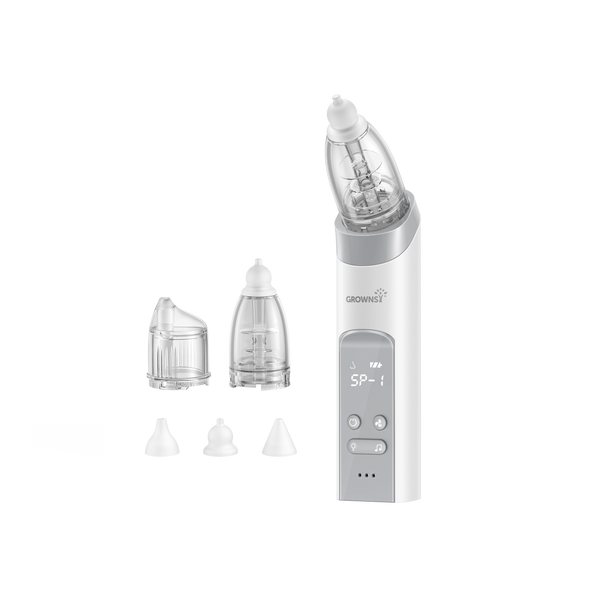
Since mucus is a primary trigger, clearing it out before bed is essential. Using a baby nasal aspirator is highly effective. Gently suctioning the nose removes the blockage that causes postnasal drip. For stubborn mucus, use a few drops of saline solution first to loosen it up. This simple step can significantly reduce coughing fits.
Elevate the Head
Help gravity work for you. If your baby is old enough (check with your pediatrician), slightly elevating the head of their mattress can prevent mucus from pooling in the throat. For infants, hold them upright for 20 minutes after feeding before placing them down. Do not use pillows or sleep positioners unless advised by a pediatrician.
Humidify the Room

Adding moisture to the air soothes irritated airways. Run a cool-mist humidifier in the nursery to keep the humidity levels optimal (around 40-60%). Ensure you clean the machine regularly to prevent mold growth. If you don't have one, sitting in a steamy bathroom with your baby for 10-15 minutes before bed can have a similar loosening effect on chest congestion.
Hydration and Honey
Fluids thin the mucus, making it easier to cough up. Ensure your baby is drinking plenty of breastmilk or formula. For children over 12 months old, a small amount of honey before bed may help soothe the throat. Never give honey to babies under one year of age. Never give honey to babies under one year due to botulism risk.
When to See a Doctor for Your Baby's Cough: Red Flags and Emergency Signs

Most coughs are harmless, but some require professional attention. Knowing the difference can save you a trip to the ER or ensure you get help when it's truly needed.
Difficulty Breathing
Watch your baby's chest. If you see the skin sucking in between the ribs or at the base of the neck (retractions), or if their nostrils are flaring with every breath, seek medical help immediately. These are signs of respiratory distress.
Specific Cough Sounds
- Barking Cough: A sound resembling a seal bark often indicates Croup, a viral infection that causes swelling in the airway.
- Whooping Sound: If the baby coughs violently and makes a "whoop" noise when inhaling, it could be Pertussis (Whooping Cough), which is dangerous for infants.
- Wheezing: A high-pitched whistling sound when breathing out suggests asthma or bronchiolitis.
Persistent Fever
A mild fever with a cold is normal. However, a fever that lasts more than three days, or a fever in a baby under 3 months old (over 100.4°F / 38°C), warrants a doctor's visit. Also, consult a doctor if the cough persists for more than two weeks without improvement.
Preventing Nighttime Coughing in Babies: Simple Tips and Long-Term Solutions
Prevention is always better than cure. Creating a healthy sleep environment reduces the frequency of nighttime disruptions.
Maintain a Clean Environment
Dust mites and allergens love bedding. Wash sheets and sleep sacks weekly in hot water using hypoallergenic detergent. Ensure items that touch your baby's mouth, like pacifiers and bottles, are sterilized. Using a baby bottle washer ensures no milk residue or bacteria remain, which could otherwise irritate the throat or cause low-grade infections.
Manage Air Quality
Keep the nursery pet-free if possible to reduce dander. Do not smoke anywhere near the baby or in the house, as second-hand smoke is a major trigger for respiratory issues. Regularly change the air filters in your home's HVAC system to minimize circulating dust and pollen.
Routine Nasal Hygiene
Make nasal cleaning part of the bedtime routine, not just a response to sickness. A quick check with an infant nasal aspirator before sleep can catch minor congestion before it becomes a cough-inducing problem. Keeping the nasal passages clear allows for better breathing and deeper sleep.
What to Do If Your Baby Coughs at Night
Having a cough when your child is in bed is generally a reaction to a common cold or environmental irritant, but it may not necessarily mean that your child has a serious illness. To take care of your child, make sure that your infant's airways are cleared with the use of an infant nasal aspirator, that humidity is adequate, and that your child is not giving a signal that he is having problems breathing. Trust your instincts; if your baby seems distressed or the cough lingers, consult your pediatrician.

[[related_products_3]]
FAQs
How do I stop my baby from coughing at night?
Start by clearing nasal mucus with saline drops and a baby nasal aspirator before bedtime.Then run a cool mist humidifier to keep the throat moist, as well as keep the child hydrated. For a child over a year, a spoonful of honey helps to protect the throat.
Can a baby cough itself to sleep?
It is possible, but it is not ideal. The cough may keep the infant from sleeping. This can prevent your baby from getting adequate rest and may lead to overtiredness. If the infant has a mild cough, they may calm themselves down. If the infant is coughing continuously, especially coughing that seems painful, they need assistance from you to calm them down and address the cause.
How long is too long for a baby to cough at night?
The cough that occurs because of the common cold takes, on average, 10 to 14 days to go away. If the cough persists, worsens, or interferes with sleep or feeding, a pediatrician should be visited to check for allergies, asthma, or other conditions.


