


Baby Sleeps with Mouth Open: What's Normal, What's Not, and How to Help
Table of Contents
- Nasal Breathing vs. Mouth Breathing
- Common Causes of Mouth Breathing During Sleep
- Red Flags That Need a Pediatric Evaluation
- What a Doctor Will Assess and Possible Next Steps
- Frequently Asked Questions
- Editor's Recommendation
Are you a concerned parent who is wondering why your newborn is sleeping with their mouth open? Don’t worry, these little ones certainly know how to keep parents on their toes.
Just when you think you've figured things out, a new concern seems to pop up. Babies may occasionally sleep with their mouths open due to a blocked nose, sleeping position, or a temporary cold.
In this guide, we will look into why some babies sleep with their mouths open, when it's considered normal, and what you can do to help your little one breathe comfortably and sleep soundly.
Nasal Breathing vs. Mouth Breathing: What's Normal for Babies
Why Newborns Are Built to Breathe Through Their Nose
Newborns are often described as "obligate nasal breathers." This means that they naturally breathe mostly from their nose within the first few months.
Such a natural course of breathing helps them breathe efficiently during feeding and swallowing without blocking the airway. The nose is responsible for a number of vital functions such as:
- Filtering dust particles, allergens and germs present in the inhaled air.
- Warming and humidifying air before it enters the lungs.
- Maintaining an effective oxygen exchange.
- Protection of the lower respiratory tract from irritants.
American Academy of Pediatrics (AAP) states that nasal breathing is key to infant feeding and respiratory function during early development.

When Open-Mouth Sleep Is Perfectly Fine
A newborn sleeping with mouth open may sound concerning but not every instance of mouth-open sleep is a cause for concern. Several healthy babies sleep with their mouths open occasionally due to:
- A temporary sleeping position
- Deep sleep relaxation
- Mild congestion
- Recovery from a recent cold
- Teething-related nasal swelling
If your baby sleeps with his mouth open occasionally and otherwise breathes, feeds and sleeps comfortably, then occasional mouth-open sleeping is usually harmless.
However, keep an eye on the baby’s mouth-open sleeping pattern. Frequency and persistence are key differentiating factors. A baby who consistently relies on mouth breathing, with no symptoms of an underlying cause, you should consult a medical professional.
Common Causes of Mouth Breathing During Sleep
Nasal Congestion from Colds and Illness
Commonly, a newborn sleeping with its mouth open signals nasal congestion. When a baby has a cold or viral infection, the nasal tissue may become swollen and mucous, which prevents them from breathing through their nose.
Nasal passages in babies are very small, so even a small amount of mucus can affect the airflow and their breathing. Below mentioned are some signs that indicate congestion may be the cause of mouth breathing:
- Runny or stuffy nose
- Noisy breathing
- Increased fussiness during feeds
- Better breathing after mucus removal
If congestion is causing your baby to sleep with their mouth open, removing excess mucus before naps and bedtime can make breathing more comfortable.
Protip: Many parents find that using saline drops followed by a gentle nasal aspirator helps clear blocked nasal passages, making it easier for babies to feed, settle, and sleep while breathing through their nose.
Enlarged Adenoids or Tonsils
Enlarged adenoids and tonsils are a common reason why babies and young children breathe through their mouths while sleeping. Adenoids are small pieces of tissue that are located behind the nose.
When the adenoids or tonsils become swollen, they can block part of the airway. This makes it harder for a child to breathe through their nose. Signs can include:
- Chronic mouth breathing
- Snoring
- Restless sleep
- Frequent ear infections
- Nasal-sounding speech
Research published in the literature of pediatric otolaryngology show that enlarged adenoids are strongly linked with chronic mouth breathing and sleep-disordered breathing in children.
Allergies, Cow's Milk Sensitivity, and Other Nasal Triggers
Environmental irritants may also cause inflammation of the nose. Although seasonal allergies are not very common in young infants, potential triggers may include dust mites, pet dander, mold, along with exposure to smoke, certain fragrances and cleaning products.
Moreover, infants who are sensitive to cow’s milk or have other food intolerances may experience increased mucus production.
Structural Reasons: Deviated Septum and Choanal Atresia
Some babies are born with structural differences such as deviated nasal septum, narrow nasal passages and choanal atresia affect nasal airflow.
Although choanal atresia is rare, it may cause breathing difficulties, especially during feeding. A pediatric ear, nose, and throat (ENT) specialist can evaluate these structural causes to determine whether treatment is necessary.
Tongue-Tie, Jaw Structure, and Habitual Mouth Breathing
Oral anatomy can sometimes influence breathing patterns. Factors that may contribute to oral anatomy may include:
- Tongue-tie (ankyloglossia)
- Recessed jaw structure
- High-arched palate
- Low tongue posture
Sometimes, a baby may continue breathing through their mouth habitually even after congestion clears up. Your child’s pediatrician will probably assess oral structures in such a scenario.

Long-Term Effects of Persistent Mouth Breathing
Higher Infection Risk from Bypassing Nasal Filters
The nose is the body’s first line of respiratory defense. When air enters the body through the mouth instead of the nose, it bypasses the nasal filters and poses a risk of infection.
While mouth breathing alone does not directly cause illness, bypassing the nose's natural filtering mechanisms may reduce some of the protective benefits that are provided by nasal breathing.
Facial and Dental Development Risks
Research shows that children who are chronic mouth breathers often have issues such as narrow upper jaw development, misaligned teeth and high arched palate. When mouth breathing occurs for longer periods, it may affect the growth and dental development of a child.
Sleep Quality, Daytime Behavior, and Development
Breathing patterns are directly related to sleep quality. Children who experience chronic airway obstruction may develop fragmented sleep due to frequent waking. They may be irritable during the day and face difficulty concentrating that may result in behavioral issues.
A good sleep pattern is important for brain development, memory formation, growth hormone release, and emotional regulation. Even mild disruptions can affect how children function during the day.
Safe At-Home Steps to Encourage Nasal Breathing
Clearing Congestion Before Sleep and Feeds
One of the simplest ways to encourage nasal breathing is to clear excess mucus before feeds and bedtime. Since babies rely heavily on their noses for breathing, even a small amount of congestion can affect sleep and feeding.
Saline drops can help loosen mucus, while a gentle nasal aspirator can remove it more effectively. Many parents notice that once congestion is cleared, their baby is able to breathe more comfortably, feed with less interruption, and settle more easily at night.
Humidifier and Steam Treatments for Stuffy Nights
Dry air can worsen congestion and nasal irritation. As parents you can find relief by running a cool-mist humidifier in the nursery, taking the baby into a steamy bathroom for several minutes before bed and maintaining appropriate room humidity.
A cool-mist humidifier may help ease temporary congestion for some babies. However, if mucus buildup is making it difficult for your baby to breathe comfortably through their nose, clearing the nasal passages before sleep can often provide more immediate relief.
Keeping Your Baby Hydrated
Proper hydration helps thin mucus secretions and supports overall health. For newborns and young infants, hydration comes primarily through breast milk or formula. If your baby is feeding normally and producing regular wet diapers, it shows that hydration is adequate.
When Not to Intervene: Reading Your Baby's Comfort Cues
You as a parent often feel compelled to correct every unusual sleeping habit, but intervention is not always necessary. Your baby may simply be sleeping comfortably if they seem relaxed, have normal skin color, feed effectively, gain weight appropriately, wake alert and content.
Monitoring patterns over time is often more helpful than reacting to a single night's sleep behavior. Occasional mouth-open sleep without other symptoms usually does not require treatment.

Red Flags That Need a Pediatric Evaluation
Mouth Breathing That Persists Beyond 6 Weeks After Illness Clears
Mouth breathing caused by congestion will slowly get better as your baby recovers. If the mouth breathing persists beyond 6 weeks after the symptoms have gone away, speak to your pediatrician. If symptoms persist, enlarged adenoids, structural abnormalities of the nose, chronic inflammation and sleep-disordered breathing may be indicated.
Snoring, Pauses in Breathing, or Gasping During Sleep
Sometimes, babies snore or make other noises while sleeping, but if they snore loudly, snort often, gasp or stop breathing, or breathe heavily, they need medical attention. These symptoms can be a sign of airway blockage or sleep apnea.
Skin Color Changes, Rapid Breathing, or Signs of Distress
If your baby turns blue, gray, or pale, begins to breathe rapidly, has chest retractions, or has trouble breathing, you should get to a doctor or hospital right away. These symptoms can be a sign of a serious respiratory problem that requires urgent treatment.
Feeding Difficulties, Poor Weight Gain, or Frequent Night Waking
Breathing and feeding are interdependent in infancy. If mouth breathing is associated with problems with feeding, choking, slow weight gain, frequent night wakings and fussiness, it is recommended to consult your paediatrician. These signs might indicate that something is wrong and is interfering with breathing and growth of the baby.
What a Doctor Will Assess and Possible Next Steps
ENT Referral and Adenoid Evaluation
If your child is still mouth breathing after using the home remedies, your child's pediatrician may refer you to an ENT specialist. He would examine the airway, nasal passages, adenoids, oral structures and a review of sleep symptoms. The objective is to see which treatment plan should be followed to promote normal nasal breathing.
Sleep Study for Suspected Sleep Apnea
If your baby has symptoms that indicate sleep-disordered breathing, a doctor may order a sleep study. A sleep study assesses breathing patterns, oxygen levels, sleep quality and airway obstruction episodes. This information can be used to determine the treatment plan and to make sure breathing difficulties are treated correctly.

Frequently Asked Questions
-
Is it normal for a newborn to sleep with their mouth open?
Yes, it is perfectly normal for a newborn to open their mouth to sleep occasionally, particularly during a cold or when sleeping in some positions.
-
Can mouth breathing in babies become a permanent habit?
Yes. When a baby starts to breathe through their mouth for a longer period they can establish this habit, even if the cause of the mouth breathing has been resolved.
-
Can teething cause a baby to sleep with their mouth open?
Teething itself does not directly cause mouth breathing, but it can contribute indirectly. During teething, some babies will now be more inclined to sleep with their mouths open due to increased drooling, mild inflammation, disrupted sleep and temporary nasal swelling.
-
What is the difference between infant snoring and sleep apnea?
Occasional soft snoring may occur due to congestion and is often temporary. Sleep apnea involves repeated interruptions in breathing during sleep. It may include gasping, pauses in breathing, restless sleep, and daytime symptoms. Sleep apnea requires medical evaluation.
Conclusion
As parents, you may find your newborn sleeping with mouth open worrisome. Mouth-open breathing is often caused by temporary issues like congestion or sleeping position.
However, if you feel it is becoming persistent or is accompanied by symptoms such as snoring, breathing pauses, feeding difficulties, or poor sleep, it's better to consult your pediatrician.
He may suggest simple steps such as clearing nasal congestion, using a cool-mist humidifier, and a gentle nasal aspirator to help support comfortable nasal breathing and more restful sleep.

Editor's Recommendation
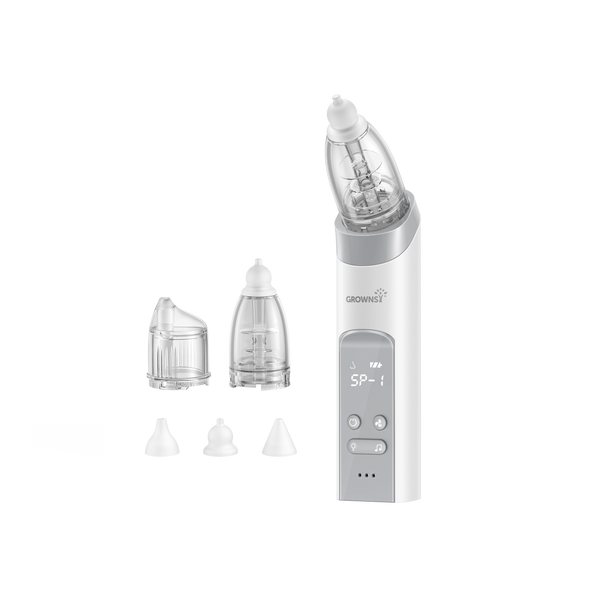
If your baby is sleeping with their mouth open because of temporary congestion, keeping their nasal passages clear before bedtime can make a noticeable difference. A gentle nasal aspirator can help remove excess mucus that may be blocking airflow, making it easier for babies to breathe through their nose, feed comfortably, and settle into sleep.
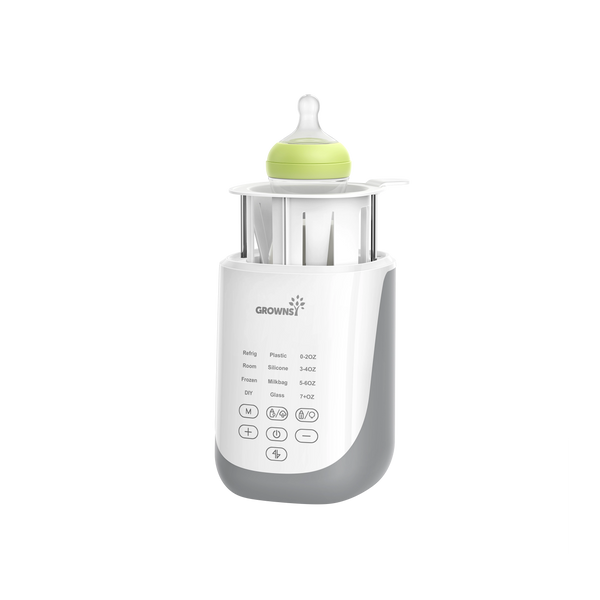
For babies who are feeding more frequently during illness or waking overnight due to congestion, a bottle warmer can also help simplify nighttime feeds by preparing milk quickly and consistently, reducing stress for tired parents during already challenging nights.
Disclaimer
This article is for informational purposes only and does not constitute medical advice. Always consult your paediatrician or qualified healthcare professional regarding concerns about your baby's breathing, sleep, feeding, or overall health.


