


When Do Babies Roll Over? Timeline, Signs, and Safety Tips
If you're sitting here wondering when do babies roll over, you're probably watching yours wiggle on a playmat thinking, okay, are we close?
Or a friend's baby just rolled and yours hasn't, and now you're spiraling a bit. Breathe. Rolling has a wide window of normal, and most babies hit it on their own clock.
Here's what the milestone actually looks like, how to help, and the safety stuff that matters when it kicks in.

What Rolling Over Actually Is
Before getting into the timeline, it helps to know what rolling actually means developmentally, because it's a bigger deal than it looks. Rolling isn't just cute. It's the first time your baby moves their whole body on purpose.
Rolling as a Gross Motor Milestone
Rolling is what pediatricians call a gross motor milestone. Big muscles, whole body, intentional. Per the CDC's updated 2022 milestone checklists, rolling now sits on the 6-month list, which reflects what 75% of babies do by that age.
The Muscle Groups Behind This Movement
To roll, a baby needs neck strength to lift their head, shoulder and arm strength to push up, a strong core to twist, and hip flexibility to follow through.
The Hewitt et al. 2020 systematic review in Pediatrics looked at 16 studies and 4,237 babies, and found tummy time is directly linked to faster rolling.
The Typical Rolling Over Timeline
With all that going on under the surface, the obvious next question is when you can expect to see it happen.
So when do babies roll over in real life? Here's the honest range.
-
Tummy to Back: Around 4–5 Months
Tummy to back usually comes first because it's easier. Baby lifts head and chest, leans too far, gravity takes it from there. Most parents see this between 4 and 5 months. Mayo Clinic puts the typical range at 4 to 6 months.
-
Back to Tummy: Around 5–6 Months
This direction takes more muscle. Lift the legs, twist, get the trailing arm out. Plenty of babies hit it between 5 and 6 months, a few weeks later is still fine.
-
Rolling Both Ways: Usually by 6 Months
Per the CDC, most babies are rolling both directions by 6 months. That's the benchmark. If yours is doing both by then, you can relax.

Early Signs Your Baby Is Getting Ready to Roll
Before any of those actual rolls happen, you'll usually see a few hints that the body is getting ready. The first roll rarely comes out of nowhere.
Head Control and Mini Push-Ups
When your baby holds their head steady during tummy time and pushes up onto their forearms, the muscle base is there. This shows up around 3 to 4 months.
Rocking Side to Side and Reaching Across the Body
Watch for side-to-side rocking on their back. Or reaching for a toy and twisting across the middle. Both are rolling rehearsals. Once you see this, the real thing is usually days or weeks away.
Why Some Babies Roll Earlier or Later
Even with the same early signs, no two babies hit this milestone on the same schedule, and the reasons are pretty practical.
How Tummy Time Shapes the Timeline
Babies who get regular tummy time tend to roll sooner. The Hewitt 2020 review confirmed it. That said, forcing extra tummy time on a baby who hates it backfires. Quality beats quantity.
Baby's Build, Temperament, and Practice Opportunities
Chunkier babies sometimes take a bit longer, more body to move. Babies stuck in car seats or swings most of the day have fewer chances to practice. Some babies are movers from day one, some are watchers. None of that means anything is wrong.

How Tummy Time Builds the Strength to Roll
Since tummy time keeps coming up, it's worth looking at exactly how it builds the strength behind a roll. Tummy time isn't optional. It's how rolling happens.
When to Start and How Long Each Session Should Be
The AAP recommends starting at birth with very short sessions for newborns, building up over time. A few minutes a few times a day at first. By 3 to 4 months, aim for short bursts adding up to 15 to 30 minutes a day total.
Tummy Time Variations for Babies Who Resist It
Lots of babies hate it at first. Try lying on the couch with baby tummy down on your chest. Or across your lap. Use a rolled towel under the chest. Mirrors help. Sing. Get face to face on the floor.
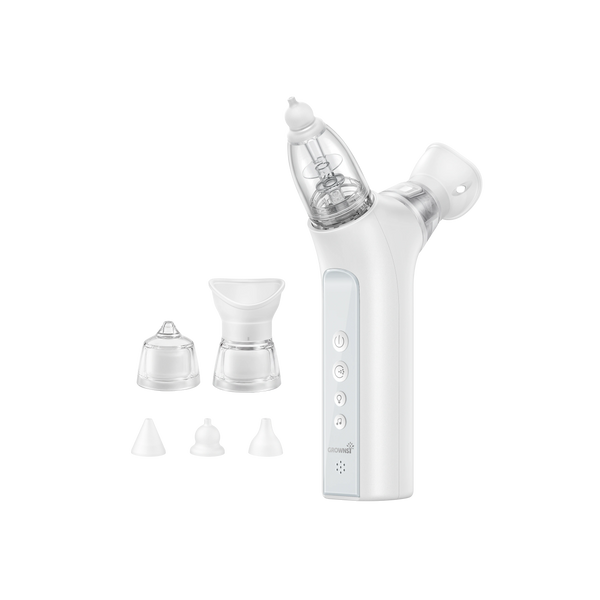
One small thing that helps a lot. If your baby is congested, tummy time gets way harder, because breathing through a stuffy nose face down is rough. Clearing the nose first makes a real difference. The Grownsy SniffEase Adjustable Suction Nasal Aspirator was built for exactly this. Three suction levels so you can stay gentle on a newborn, soft silicone tips, anti backflow design. Clear nose, easier tummy time.
Using Toys and Positioning to Build Rolling Motivation
Toy just out of reach during tummy time. Baby twists, reaches, shifts weight. That weight shift is the start of rolling. Same on their back. Put something off to the side and they'll turn, reach, eventually flip.
Active Ways to Encourage Rolling at Home
Outside of tummy time, there are a few simple at-home moves parents can try to nudge things along. No fancy gear needed. A clean floor does most of it.
The Side-Lying Technique
Lay your baby on their side with a rolled blanket gently behind their back. They naturally try to right themselves or tip forward. That's half a roll.
Using a Rolled Towel or Wedge for Gentle Support
A rolled towel under the chest during tummy time makes pushing up easier and gives them a small height advantage. Less frustrating, more time on the floor.
Play-Based Motivation
Place toys at the edge of where they can almost reach. Move them slowly across their field of vision. Anything that gets your baby twisting or shifting weight is building rolling readiness.
What Comes After Rolling
Once rolling is in the bag, parents naturally start wondering what's next on the milestone map. Rolling is the first big move. Plenty more after it.
-
Sitting with Support: Around 6–8 Months
Most babies sit with help around 6 months and unsupported by 8 or 9. The core strength they built rolling is what makes sitting work.
-
Crawling and Pulling to Stand: 7–12 Months
Crawling usually shows up between 7 and 10 months. Pulling to stand follows around 9 to 12. Worth knowing, the CDC removed crawling from its standardized checklists in 2022 because too many babies skip it entirely. Skipping crawling isn't a problem.
Sleep Safety Once Your Baby Starts Rolling
This part actually matters. Get it right.
When to Stop Swaddling
The AAP's 2022 Safe Sleep guidance is clear. Stop swaddling at the first signs your baby is trying to roll, not after they've actually done it.
A swaddled baby who flips onto their stomach can't free their arms to push up, and the suffocation risk is real. Watch for arching the back, twisting the hips, kicking hard, or breaking out of the swaddle. Once you see any of that, swaddle's done. Switch to a sleep sack that leaves the arms free.
What to Do When Your Baby Rolls onto Their Stomach at Night
Per AAP HealthyChildren.org, if your baby can roll both ways on their own and ends up on their stomach during sleep, you can leave them. You should still always place them down on their back at the start of sleep.
Safe Sleep Setup for a Rolling Baby
Firm flat mattress, tight fitted sheet. No loose blankets, bumpers, pillows, or stuffed animals. Sleep sack instead of a swaddle. Room sharing without bed sharing for at least the first 6 months. The crib should be boring. Boring is safe.

When Not Rolling Is Worth a Conversation with Your Doctor
Safe sleep aside, there are also a few rolling-related concerns that genuinely warrant a chat with your pediatrician. Most late rollers are fine. But some moments deserve a flag.
Red Flags vs. Normal Variation at 4, 6, and 7 Months
At 4 months you don't need rolling yet. You do want head control, pushing up, reaching. By 6 months per the CDC, most babies roll at least one direction. If yours isn't even attempting by then, bring it up at the well visit.
Signs That Point to a Physical Therapy Referral
Per the AAP's clinical report on motor delays, watch for very stiff or floppy tone, reaching with only one hand, an obvious preference for one side, or any regression where a skill they had goes away.
Frequently Asked Questions
My baby rolled early. Is it normal?
Yes. Some babies roll as early as 3 months. Early isn't a problem on its own. The catch is, you need to stop swaddling right away, even if you weren't expecting to.
Can I use a positioner or wedge to keep my baby from rolling at night?
No. The AAP specifically warns against sleep positioners and wedges. They're linked to suffocation deaths. A clear empty crib is safer.
Does rolling over affect naps and night sleep?
Yes, usually. A rough week or two when rolling kicks in is common. Baby flips, wakes up, gets stuck, cries, you go in. Repeat. It's temporary, most babies sort it out within a couple weeks once they can roll both ways.
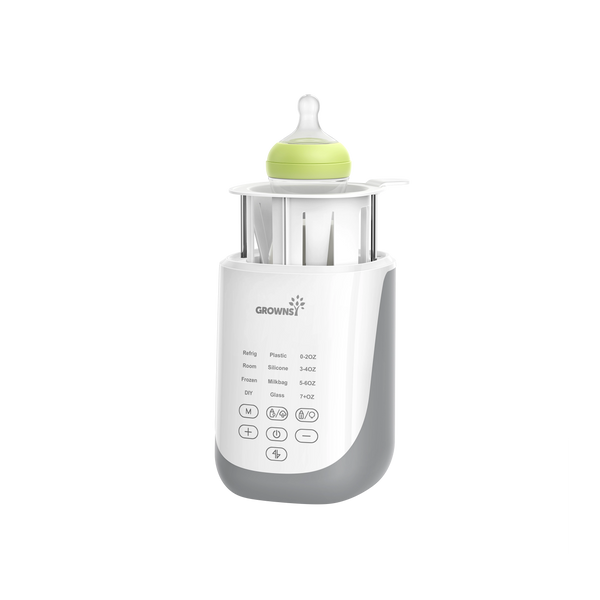
Night feeds sometimes ramp back up during this stretch too, which is brutal. A tool like the Baby Bottle Warmer earns its keep here, heating milk in under three minutes with a soft built-in night light. Faster feed, less wake-up, less of everyone up.
Conclusion
Putting it all together, here's what's worth remembering as your baby works toward this milestone.
So, when do babies roll over? Most do it somewhere between 4 and 6 months, with both directions usually in place by 6 months per CDC milestones. The exact date matters less than the range.
Lots of tummy time, stop swaddling at the first sign of rolling, empty crib for sleep, talk to your pediatrician if nothing's happening by 6 months.
Editor's Recommendation
A couple of tools that genuinely help. The Grownsy SniffEase Adjustable Suction Nasal Aspirator is worth keeping around because congestion gets in the way of tummy time, and tummy time is what builds the strength to roll.
For the rough night stretch that often comes with rolling, the Grownsy 10-in-1 Fast Baby Bottle Warmer is a quiet lifesaver, fast warming with a built-in night light for low-stress middle of the night feeds.
Disclaimer
This article is for informational purposes only and is not a substitute for professional medical advice. If you have concerns about your baby's development or sleep safety, please consult your pediatrician.


