


Can Infants Have Bad Dreams? The Ultimate Science Explanation
Table of Contents
As parents, few things are more unsettling than hearing your baby cry in their sleep. You may find yourself running to the crib wondering what's going on and ask yourself, "When do babies have nightmares? Is mine having one?
It is normal for babies to cry, fuss, twitch and feel uncomfortable while sleeping. Amongst different reasons behind these, nightmares are highly unlikely since they are not so common at an age so young. In fact, young babies and infants may not have nightmares at all, as the parts of the brain that are required to have nightmares have not developed yet.
This article will help you understand the normal sleep behaviour, nightmares and night terrors so that you can confidently respond to your baby's sleep behaviour and support healthy sleep development.

What Counts as a Nightmare (And What Doesn't)
Many parents think that if their baby is crying in their sleep it is because they had a bad dream. However, sleep researchers have a different definition for nightmares.
According to these researchers, a nightmare is a dream that occurs during REM (Rapid Eye Movement) sleep. It is scary enough to leave the dreamer feeling frightened, upset or distressed. Moreover, it is important to note that for a nightmare to occur, the brain needs to be capable of creating vivid imagery, to experience emotional states, and to have memories of the dream experience.
The Brain Requirements for a True Nightmare
Researchers think that nightmares are linked to cognitive abilities that gradually emerge in early childhood, such as imagination, emotional processing, memory development and understanding of fear. Since it is impossible to directly study infants' dreams, scientists can't be sure what babies experience when they are asleep. Nightmare need some higher order thinking skills including:
-
The ability to imagine and use symbols to represent objects
-
Emotional processing
-
Memory formation
-
Fearing and knowing danger
-
The capacity to remember the dream
Furthermore, many of the brain functions involved in creating, interpreting, and remembering complex dream experiences are still developing throughout infancy and toddlerhood. For this reason, experts generally believe that the vivid, fear-based dreams we recognize as nightmares are unlikely to occur during the earliest months of life.
Why Newborns Almost Certainly Don't Dream in Fear
Newborns sleep differently from older children and adults. Their sleep is dominated by active sleep, which resembles REM sleep but serves important developmental purposes. During active sleep, babies may twitch, smile, make noises or cry.
These behaviours are generally linked to neurological development rather than frightening dreams. Sleep experts from the American Academy of Pediatrics (AAP) and sleep researchers point out that babies are not cognitively developed enough to dream in stories, which is what nightmares are.
Although it is impossible to know what infants have in their dreams, recent research indicates that they are unlikely to dream like older children.

When Babies Start Having Nightmares
When do babies start having nightmares is a common question from parents when their child starts waking up distressed at night. True nightmares become possible later in development than many people assume.
The 18--24 Month Neurological Turning Point
It is believed that nightmares usually start to occur between 18 months to 2 years old. This developmental stage is accompanied by changes such as language development, increased imagination, emotional awareness, and memory formation.
Toddlers start to learn that things can occur when they are not there. They can also become afraid of the dark, strangers, animals or separation from caregivers. These experiences may shape the content of dreams and help to create nightmares.
Imagination is developing quickly at this age and toddlers can start to imagine situations that may be frightening when they are sleeping.
First Signs That Your Toddler May Be Having Real Nightmares
While younger infants may cry because they are physically uncomfortable, toddlers who have nightmares may look upset and may not fall back to sleep after the nightmare. A true nightmare may have the following signs:
-
Waking suddenly and appearing frightened
-
Crying and seeking comfort
-
Being able to calm down when held
-
Clinging to parents after waking
-
Talking about scary dreams if they have sufficient language skills

Nightmare vs. Night Terror: The Difference Most Parents Miss
Parents are often confused between nightmares and night terrors. Although both can involve crying and distress, they are very different sleep events.
How Timing, Memory, and Behavior Tell Them Apart
| Feature | Nightmare | Night Terror |
|---|---|---|
| Sleep Stage | REM sleep | Deep non-REM sleep |
| Timing | Usually second half of night | Usually first few hours after bedtime |
| Child Wakes Up | Yes | Usually no |
| Remembers Event | Often | Rarely |
| Comforted By Parent | Usually | Often difficult |
| Awareness | Alert and responsive | Confused or inconsolable |
A child experiencing a nightmare wakes up and seeks reassurance. A child experiencing a night terror may appear awake but is actually still asleep.
Why You Should Not Wake a Baby During a Night Terror
Night terrors can be frightening to witness, especially for parents who have never seen one before. During an episode, a child may appear extremely distressed. They might scream, sweat, breathe quickly or seem so terrified that they are inconsolable.
Children who are having a night terror are actually asleep, but they look awake. Unlike a nightmare, which occurs during REM sleep and often causes a child to wake up seeking comfort. A night terror happens during deep non-REM sleep. This makes the child unaware of his environment and might not be able to recognize a parent who attempts to intervene.
It's usually not recommended to wake up a child during a night terror. If they are awakened, they can feel more confused, have a longer episode and may have trouble going back to sleep. However, in some cases, a child may become even more agitated because they are being pulled abruptly out of deep sleep.
Instead, focus on keeping your child safe while the episode runs its course. Stay nearby, ensure they cannot fall or injure themselves, and speak softly if needed. Most night terrors resolve on their own within a few minutes, although some can last longer. After the episode, children typically fall asleep on their own and do not recall much the following morning.
What's Actually Causing Your Baby to Cry in Their Sleep
If your baby is younger than 18 months, crying during sleep is usually caused by normal developmental factors rather than nightmares.
Sleep Cycle Transitions and Active REM Sleep
Babies move through sleep cycles much more frequently than adults. As they transition between sleep stages, they may fuss, whimper, cry or move around.
In many cases, they are not fully awake. Parents who immediately intervene may accidentally wake a baby who would otherwise have settled independently.
Physical Triggers: Hunger, Gas, and the Moro Reflex
The Moro reflex, also known as the startle reflex, can also cause sudden movements and crying in younger infants. Physical discomfort is among the most common reasons babies cry during sleep. Some of the potential causes include hunger, wet diaper, gas, teething discomfort, nasal congestion or growth spurts.
However, if congestion seems to be disrupting your baby's sleep, a gentle nasal aspirator can help clear nasal passages before bedtime, supporting more comfortable breathing throughout the night.
Overtiredness and Overstimulation
An overtired baby often struggles to settle into restful sleep. Common factors that can contribute to this include skipped naps, late bedtimes, excessive stimulation, busy schedule and irregular sleep routines. Overtired babies may experience more frequent night wakings and increased fussiness during sleep.

How to Respond When Your Baby Wakes Up Distressed
When your baby is distressed, your body language would signal him how to feel, which is why responding properly can help your baby feel secure and promote healthy sleep habits.
Immediate Comfort Steps (Without Reinforcing Waking Habits)
When your baby wakes up, pause briefly and let him find his own way, without intervention. Check if they are fully or partially awake, offer them gentle reassurance with a soothing sound or a calming touch.
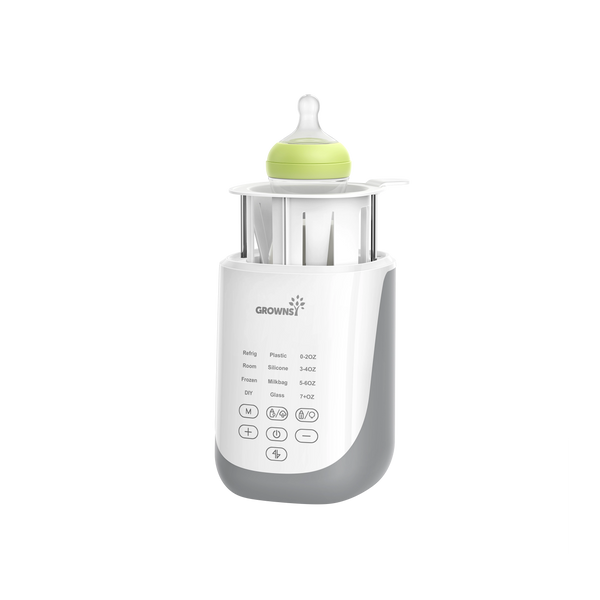
To assist further, warming milk safely with a reliable bottle warmer can help minimize disruptions during nighttime feeds. The goal is to provide comfort while keeping nighttime interactions quiet and predictable.
When to Wait and Watch vs. When to Step In
When you pause a bit before intervening as soon as your baby wakes up, you get to see if the baby is fussing or actually awake. What appears as awakening may just be a transition between sleep cycles. So wait and observe, you may not need to step in at all and the baby will go back to sleep.
On the contrary if you see your baby is uncomfortable but fully awake, sometimes followed by persistent crying, it may be time for you to step in. The baby must be hungry, needs a diaper change or is a little under the weather. Trusting your instincts while observing patterns over time can help determine what your child needs.
How to Reduce Nighttime Distress as Your Baby Gets Older
While occasional sleep disruptions are normal, several strategies can support better sleep quality.
A Consistent Bedtime Routine
Children thrive on predictability. A calming bedtime routine may include bath time, feeding, reading, cuddling and putting on some light music. Following the same sequence each night helps signal to the brain that sleep is approaching.

Managing Screen Time and Stimulation Before Sleep
As toddlers grow older, stimulating activities close to bedtime can interfere with sleep quality. To encourage restful sleep you need to limit screen exposure before bed and void activities later in the evening that can get them all hyped up. Most importantly, keep bedtime calm and consistent. Healthy sleep habits can reduce both night wakings and sleep-related anxiety.
Creating a Sleep Environment That Feels Safe
A comfortable sleep environment supports better rest. To do so, try and keep the room at a cool temperature, put on comfortable sleepwear and use white noise if helpful. Make sure you keep a consistent sleep place along with age-appropriate comfort objects for older toddlers. Parents travelling with young children often find that maintaining familiar sleep cues helps reduce nighttime disruptions, even away from home.
Red Flags: When to Talk to Your Pediatrician
Most nighttime crying is a normal part of development. However, some situations warrant professional guidance.
Signs That Nighttime Distress Is More Than Developmental
Contact your paediatrician if your child experiences:
-
Frequent breathing difficulties during sleep
-
Loud snoring
-
Repeated choking sounds
-
Persistent inconsolable crying
-
Significant changes in sleep patterns
-
Developmental regression
-
Signs of pain or illness
A healthcare professional can evaluate whether an underlying medical condition is contributing to sleep disturbances.
FAQ
Can a 2-month-old have nightmares?
Current evidence suggests that a 2-month-old is unlikely to experience true nightmares. The brain is not yet cognitively and emotionally developed to engage in dream experiences that involve fear.
Is my baby dreaming if they smile or twitch in their sleep?
Possibly. Smiling, twitching, facial expression and eye movement are often observed during active sleep which is a large proportion of the baby's sleep time. However, these behaviours do not necessarily indicate specific dream content.
Will my baby remember a nightmare?
Young children are not likely to remember nightmares for a long time. During toddlerhood and preschool years, as the memory develops, some kids start to recall and talk about scary dreams.
Do nightmares mean something is wrong emotionally?
No. Occasional nightmares are a normal part of childhood development. They often reflect growing imagination, emotional processing, and learning experiences. Nightmares that occur often or are so bad that they interfere with functioning should be discussed with a healthcare professional.
Conclusion
So, when do babies start having nightmares? As discussed above, true nightmares tend to appear at 18 to 24 months when imagination, memory and emotional awareness are more developed.
Children under 12 months tend to cry more at night as they transition to a different sleep position, discomfort, appetite, over stimulation or developmental issues rather than a scary dream.
Understanding what is normal can assist parents to respond with confidence, support healthy sleep patterns and help to build a safe environment for their child to sleep in.
Editor's Recommendation
Parents often focus on what happens during the night, but to ensure a successful sleep, you need to look into factors that affect the sleep before bedtime begins. A structured schedule, stress-free atmosphere and attention to common discomforts like hunger or congestion can make a huge difference.
If you notice your baby is struggling with congestion on a regular basis, you may want to follow a gentle nighttime nasal care routine to help keep your baby breathing more comfortably throughout the night. Similarly, an efficient bottle warmer is helpful for making baby feeds at nighttime without disturbing sleep.
Keep in mind that some sleep issues are common and normal in childhood. They will typically outgrow these on their own as their brain develops and sleep patterns normalize.
Disclaimer
This article is for informational purposes only and does not constitute medical advice. Always consult your paediatrician or qualified healthcare provider regarding concerns about your child's sleep, development, or health.


