


Can My Baby Sleep on My Chest? Safety, Benefits, and Safe Sleep Rules
Yes, your baby can sleep on your chest, but only while you are fully awake and actively supervising them. Falling asleep with your baby on your chest is not considered safe because it increases the risk of suffocation and sleep-related infant deaths.
Although contact naps provide important bonding and developmental benefits, babies should always be moved to a firm, flat crib or bassinet when it's time for the caregiver to sleep.
This guide explores the science behind infant sleeping on chest, the benefits of skin-to-skin contact, and evidence-based sleep safety recommendations from trusted health authorities.
Key Takeaways
- Chest naps are safe only while the caregiver is awake.
- Babies sleep better on your chest because of warmth, heartbeat, and scent.
- Skin-to-skin contact supports bonding and physiological stability.
- Never sleep with your baby on your chest.
- Always transfer babies to a crib or bassinet before sleeping yourself.

What is Chest Sleeping?
Chest sleeping means that a baby sleeps on a parent's chest typically during cuddling, feeding or skin-to-skin contact. Sleeping on the chest is the closest for babies to being in the womb.
Contact Nap vs. Co-Sleeping: Understanding the Difference
| Feature | Contact Nap | Bed-sharing/Co-sleeping |
|---|---|---|
| Parent Awake | Yes | Usually No |
| Active Supervision | Yes | No |
| Safe for Routine Sleep | No (temporary only) | No |
| Recommended by AAP | Only while awake | No |
| SIDS Risk | Low when supervised | Increased |
Contact napping is when a baby sleeps while being held by an awake caregiver. The caregiver is alert and actively supervising the infant while he or she naps.
Bed-sharing, also known as co-sleeping, occurs when a baby shares a sleep surface with a parent such as an adult bed, sofa or recliner.
The American Academy of Pediatrics (AAP) advises against bed-sharing because it significantly increases the risk of sleep-related infant deaths. This includes sudden infant death syndrome (SIDS) and accidental suffocation.
The distinction matters because an awake parent holding a sleeping baby is very different from a sleeping parent sharing a sleep surface with an infant.
How Common It Is for Newborns to Only Sleep on a Parent
Many newborns strongly prefer sleeping on a parent during the first weeks of life. This preference is normal and reflects their biological need for proximity, warmth, and reassurance.
Newborns have been surrounded by the movement, sound and touch of people for several months. A flat, quiet bassinet can feel unfamiliar compared to a caregiver's chest. That is why many babies wake up right after you put him or her down in the crib, but are able to sleep as long as you hold them.
Generally, newborn babies choose to sleep with their parents within the first weeks after birth. This is normal and indicative of their biological drives for closeness, warmth and reassurance.
Why Do Babies Like Sleeping on Your Chest?
Parents often notice that their baby sleeps longer and more peacefully during contact naps. Several biological mechanisms explain why, let’s have a look at few of them:
The Womb-Like Signals Your Body Sends
Your body provides sensory input that closely resembles the womb environment. Gentle breathing movements, body warmth, and rhythmic motion create a familiar setting that helps newborns relax.
These signals can be especially comforting during the fourth trimester. This time period refers to the first three months after birth when babies are still adapting to life outside the womb.
Heartbeat, Warmth, and Scent: The Three Physical Anchors
Three of the most powerful sensory cues that help you babies feel secure are:
- Your heartbeat: as it provides a familiar rhythmic sound.
- Your body warmth: as it helps regulate comfort.
- Your scent: as it offers recognition and reassurance.
Together, these cues help newborns settle faster and stay asleep longer.
What Science Says About Lower Cortisol and Deeper Sleep
Research on skin-to-skin contact has shown that close physical contact can help reduce stress responses in newborns. Moreover, infants who experience regular skin-to-skin care have lower cortisol levels, improved physiological stability, and better regulation of sleep-wake cycles.
Furthermore, lower stress levels may contribute to calmer behaviour and more restorative sleep periods.
What Are the Benefits of Skin-to-Skin Contact?
Skin-to-skin contact is widely recommended by healthcare professionals, particularly during the newborn period as it has real benefits.
Physiological Benefits for Newborns: Temperature, Heart Rate, and Breathing
According to research and guidance from organizations such as the World Health Organization (WHO), skin-to-skin contact can help newborns maintain body temperature. Also, it stabilizes heart rate, supports healthy breathing, regulates blood sugar and promotes good feeding. These benefits are especially important during the early days after birth.
Bonding and Brain Development Outcomes
Consistent nurturing contact supports healthy attachment between a parent and the baby. Secure attachment with the caregiver forms the basis for emotional development and social learning of the baby.
Researchers also suggest that responsive caregiving and physical closeness positively contributes to early brain development by helping infants feel safe and supported.
Benefits for the Parent: Reduced Stress and Improved Milk Supply
The benefits of skin-to-skin contact go beyond the baby and have added value for the parent as well. Skin-to-skin contact has been associated with reduced parental stress and anxiety, confidence in caregiving, better parent-infant bonding and good breastfeeding outcomes.
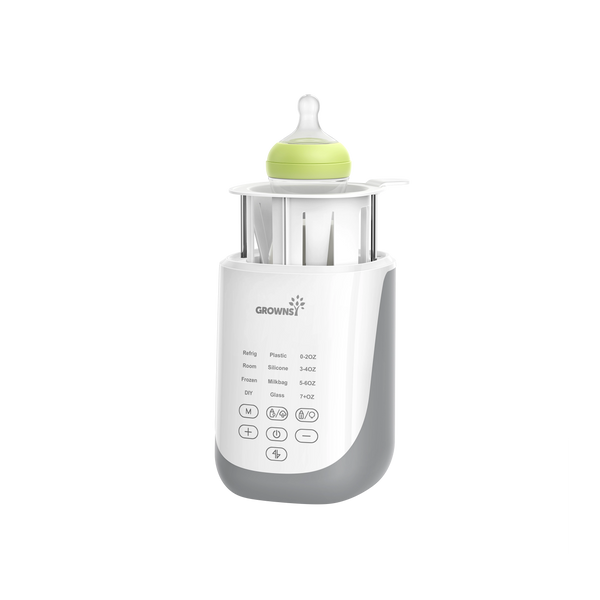
Frequent skin-to-skin contact for breastfeeding mothers may help stimulate hormones that are involved in milk production. Moreover, parents who are bottle-feeding can also benefit from these bonding opportunities. Having tools such as a bottle warmer can help simplify feeding routines while preserving those valuable moments of close connection.
Is It Safe for a Newborn to Sleep on Your Chest?
The answer depends largely on whether the caregiver remains awake and alert.
The One Non-Negotiable Rule: Parent Must Stay Awake
If your baby falls asleep on your chest, you must remain awake and attentive. The greatest danger occurs when an adult accidentally falls asleep while holding a baby.
Even brief periods of unintentional sleep can create serious suffocation or entrapment risks. If you feel sleepy, transfer your baby to a safe sleep space immediately.
What the AAP Says About Chest Sleeping and SIDS Risk
The AAP recommends that infants sleep alone, on their back and on a firm, flat sleep surface.
While supervised contact naps can be part of normal caregiving, the AAP does not recommend chest sleeping as a routine sleep arrangement, particularly if there are chances that the caregiver may fall asleep.
The safest place for infant sleep remains a crib, bassinet, or play yard that meets current safety standards.
Riskier Scenarios: Sofa, Recliner, and Accidental Sleep
Sleeping with a baby on a sofa or recliner is particularly dangerous. These environments create gaps where infants can become trapped or experience positional asphyxia. Studies have consistently identified sofas and armchairs as high-risk locations for sleep-related infant deaths.
If you are tired enough that you may doze off, move your baby to a safe sleep surface before fatigue takes over.
How Long Can a Baby Sleep on Your Chest?
One of the most common questions parents ask is how long a baby can safely sleep on their chest.
There is no specific time limit for a supervised contact nap. Some babies may nap for 20 minutes, while others may remain asleep for over an hour. What matters most is that your baby's face remains visible, their airway stays open, and you continue to monitor their breathing and position.
Can My Baby Sleep on Their Stomach on My Chest?
Many newborns naturally settle into a tummy-down position when lying against a parent's chest. This position often feels familiar because it resembles the pressure, warmth, and gentle movement they experienced before birth.
While this position can be part of a supervised contact nap, your baby's airway must remain completely unobstructed. Their face should always be visible, their nose and mouth should never be covered by clothing or blankets, and their chin should not be pressed against their chest.
How to Make Chest Sleeping as Safe as Possible
Many parents enjoy supervised contact naps. Following safe practices can help reduce risks.
Body Position That Keeps Baby's Airway Open
The position of your baby while sleeping matters. To position your baby for a comfortable sleep, turn their head to one side in such a manner that their nose and mouth are visible. Make sure their chin is not tucked against their chest and their airways remain unobstructed. Regularly check that your baby's breathing appears normal.
What to Wear and What to Remove Before Holding a Sleeping Baby
While prepping for a contact nap make sure you remove loose blankets, avoid bulky clothing, secure long hair (preferably in a bun), remove dangling jewelry and keep pillows away from the baby. The goal is to eliminate anything that could cover your baby's face or restrict breathing while they are asleep.
How Long Is Safe for Each Session (by Age)
There is no universally defined time limit for supervised chest sleeping. Safety depends more on active supervision than duration. General guidance includes:
-
0–1 Month
Short supervised contact naps are common. Parents should prioritize safe transfers if fatigue develops. -
1–3 Months
Many babies continue enjoying contact naps, though some begin tolerating crib naps for longer periods. -
4+ Months
Parents often start encouraging more independent sleep habits while still using contact naps occasionally for comfort.
Regardless of age, chest sleeping should only occur while the caregiver remains fully awake.
Will Chest Sleeping Create a Bad Sleep Habit?
Many parents worry that holding their baby too much will cause long-term sleep problems. Let's have a look at it in detail.
What "Sleep Association" Means and When It Becomes a Problem
A sleep association is anything a baby connects with falling asleep such as rocking, feeding, white noise or being held. Sleep associations become challenging only when they consistently prevent a child from falling asleep in other ways and create difficulties for the family.
The Difference Between a Newborn's Need and a Learned Dependency
Newborns are biologically programmed to seek closeness. During the first months, contact is a developmental need rather than a bad habit. Most babies naturally become more capable of independent sleep as their nervous systems mature. Responding to your newborn's need for comfort does not spoil them.
How to Transition Away from Chest Sleeping
As babies grow, many families choose to encourage more independent sleep.
Readiness Signs by Age: 0–1 Month, 1–3 Months, 4+ Months
-
0–1 Month
Focus primarily on bonding, feeding, and establishing basic sleep patterns. -
1–3 Months
Some babies begin accepting short naps in a bassinet after falling asleep in a parent's arms. -
4+ Months
Many infants become developmentally ready for more structured sleep routines and independent sleep opportunities.
Every baby develops differently, so flexibility is important.
Gradual Transfer Techniques That Actually Work
This by far is the trickiest part that every parent dreads, not to wake the baby while transferring. Before you think of transferring your baby to a safe sleeping space, make sure the baby reaches a deep sleep stage. Start from the feet, lower them first, then gently place the hips and the head.
Once the transfer is successful, keep your hand on the chest so that they can feel you and know you are there. Warming the bassinet sheet beforehand also helps but make sure you remove the heating source before use. Consistency often improves success over time.
Building a Consistent Sleep Routine That Replaces the Contact Cue

Predictable routines help babies learn alternative sleep signals. A simple routine may include feeding, diaper change, gentle rocking, white noise, sleep sack and finally placement in bassinet.
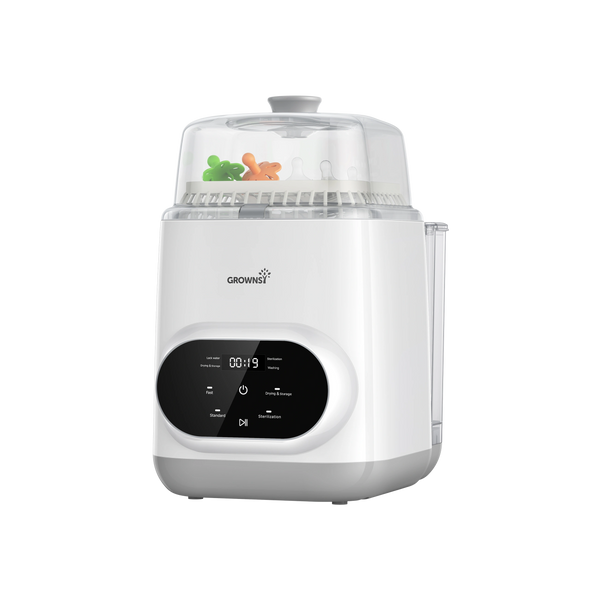
Parents often find that reducing stress around feeding preparation helps maintain consistency. Products such as a bottle washer can simplify daily cleaning tasks, making it easier to focus on sleep routines and responsive caregiving.
Safe Sleep Best Practices Beyond the Chest
The ABCs of Safe Sleep (Alone, Back, Crib)
The AAP's safe sleep guidance can be summarized as:
-
A – Alone
No pillows, blankets, toys, or sleep positioners. -
B – Back
Always place your baby on their back for sleep. -
C – Crib
Use a firm, flat sleep surface designed for infants.
These recommendations significantly reduce the risk of sleep-related infant deaths.
Setting Up a Sleep Space That Meets AAP Standards
Setting a sleep space that meets AAP safe sleep environment should include a safety-approved crib, bassinet, or play yard. The mattress should be firm, covered with a fitted sheet only. Room-sharing without bed-sharing is also recommended. Furthermore, avoid placements of wedges, loungers, cushions, and other products that are not intended for unsupervised infant sleep.
Common Myths About Babies Sleeping on Your Chest
Many parents receive conflicting advice about contact naps. Understanding the facts can help you make informed decisions.
Myth: Holding My Baby Too Much Will Spoil Them
Fact: Newborns cannot be spoiled by responsive caregiving. Physical closeness supports healthy attachment and emotional development.
Myth: Babies Sleep Better on a Parent's Chest Because It's Safer
Fact: Babies often settle more easily on a caregiver's chest, but a firm, flat crib or bassinet remains the safest place for routine sleep.
Myth: Contact Naps Should Be Avoided
Fact: Supervised contact naps can provide valuable bonding opportunities and developmental benefits, provided the caregiver remains awake.
FAQ
Can my baby sleep on my chest at night?
Yes, your baby can sleep on your chest, only if you are awake and actively supervising. A short contact nap is fine but it is not recommended that you sleep with a baby on your chest overnight.
Is chest sleeping safe for a premature baby?
Premature babies may have other health issues. Parents should adhere to the instructions of their neonatologist (or pediatrician) for sleep positioning and skin-to-skin contact.
What if I fall asleep accidentally while my baby is on me?
If you fall asleep accidentally while your baby is sleeping on your chest, you should put the baby in a safe place as soon as you wake up. If you doze off to sleep often, try to make changes to feeding and napping schedules, ask for assistance from another caregiver.
Does contact napping spoil my baby?
No, responding to their need for closeness does not spoil the baby. Contact naps are a normal, healthy experience for many families and their babies.
Conclusion
If you've been wondering, can my newborn sleep on my chest, you're not the only one. It is very common for babies to sleep on their caregivers chest as they are seeking warmth, heartbeat, smell and security from them.
Supervised chest sleeping is a beneficial developmental and bonding experience, but safety should always be the first priority. The key is to remember one thing: When your baby is sleeping on your chest you must stay awake. When you are ready for sleep your baby should be moved to a safe flat sleep surface in accordance with the recommendations of the AAP.
The ideal position to put a baby to sleep is a snuggle, and by combining safety with proximity, parents can have their sweet little baby snuggle while keeping them safe and healthy.
Editor's Recommendation
Parents are trying to establish healthy sleep habits, soothe their baby, feed their baby, and clean the bottles, all at the same time during the newborn stage. In addition to good sleep habits, an effective care plan can help reduce stress and support family wellbeing.
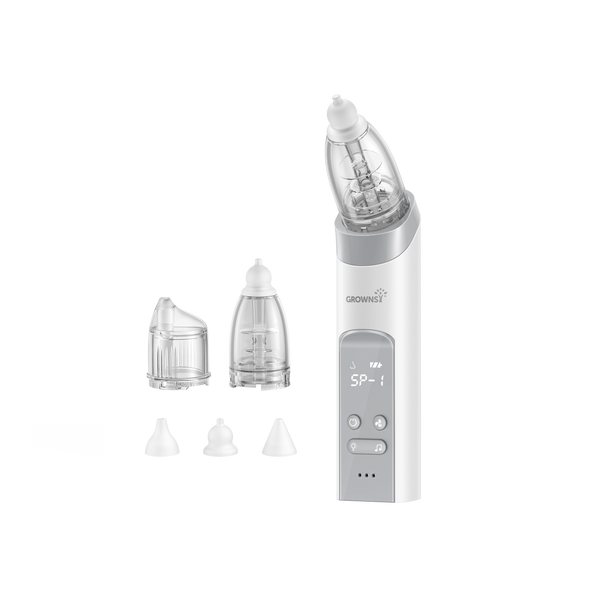
Items like a nasal aspirator can be useful for parents when their child is congested and may be more comfortable breathing and sleeping and eating when they use them. Similarly, bottle warmers and bottle washers can help simplify feeding processes and save time for mothers and fathers to enjoy more skin-to-skin contact, bonding, and responsive feeding.
Keep in mind that all babies are unique. Focus on safe sleep fundamentals, follow the advice of your pediatrician and take time to be kind to yourself while you learn the best practices for your family.
Disclaimer
This article is for informational purposes only and does not constitute medical advice. Always consult your paediatrician or qualified healthcare provider regarding your baby's sleep, health, and developmental needs.
Related Articles
1.Best Bassinets and Cradles how to choose
2.Is the DreamNest Bassinet worth it
3.Baby Won't Sleep in Bassinet


