


Table of Contents
Infant Quick Breathing: What Every Parent Needs to Know
Infant quick breathing is one of the first things parents often notice in their newborns. Many parents worry that their newborn might be coming down with something because they’re breathing fast.
However, as per medical guidelines, a newborn's normal breathing rate is about 40 to 60 times per minute, which is much faster than the regular adult.
So, before you take your fast-breathing newborn to the hospital, you need to ascertain whether their rapid breathing is normal or a symptom of a cold, an infection, or other medical issues.
The key is to learn how to tell a normal rapid breathing apart from a problematic one.
Due to developing lungs and weaker muscles in babies, their typical breathing pattern may appear fast. However, signs of a breathing problem may include heavy breathing, coughing, and whistling sounds.
This article is a detailed guide into causes of infant quick breathing, how to monitor it, and when to call a doctor.

Is my baby Quick Breathing Normal? Sleeping vs. Awake
Your infant’s quick breathing is normal if it does not exceed 60 breaths per minute. It is only abnormal if it exceeds 60 breaths per minute, as per medical guidelines.
According to the American Association of Pediatrics, newborns under 6 months take between 40 and 60 breaths per minute.
As per Stanford Medical Children’s Health guidelines, infant breathing may slow down to 30 breaths per minute while they sleep.
It is important to note that infants may have what is best described as periodic breathing. This implies that their breathing rate might often become inconsistent. They might stop breathing for some seconds, take some rapid breaths, and then return to their regular breathing pattern.
Based on Clinical guidelines, periodic breathing occurs when a newborn’s breathing stops for 5-10 seconds before beginning more rapidly for 10-15 seconds.
While periodic breathing is normal, pauses between breaths should not exceed 10 seconds even when your baby is resting, as longer pauses could point to a health issue that needs a doctor’s attention.
It is important to observe your newborn’s typical breathing pattern while they’re awake and when their resting. This helps you to notice quickly if their breathing changes.
What Is a Normal Breathing Rate for Infants? (By Age)
The chart below contains the normal breathing rate for different age ranges based on World Health Organization and American Association of Pediatrics guidelines.

How to Count Your Baby's Breathing Rate at Home
The most reliable way to count your baby’s breath rate to identify infant quick breathing is to watch them and count the number of breaths they take in 60 seconds.
- Gently place your hand on your baby’s chest or stomach and count each time the abdomen rises and falls as one breath.
- You can also place your hand a few inches away from your infant’s nostrils and count every exhalation as one breath.
- You can also lift your infant’s shirt and closely observe their abdomen and chest movement while counting.
The best time to count your infant’s breathing rate is when they are sleeping peacefully. However, if they are awake, hold them still, make sure they are calm, then count for one full minute.
It is important to ensure that the child does not have a fever and is not agitated or crying, as their breathing patterns will not be steady under such conditions.
External factors such as heat or discomfort can affect your infant’s breathing, so eliminate such factors before counting.
Inform a doctor quickly if you notice any unusual breathing patterns. You can also record a video of your infant’s breathing if you suspect something might be wrong, and show it to a doctor.
Why Is it Fast? Common Causes Explained
Normal Physiological Reasons
-
Smaller lungs
Infants have smaller, developing lungs and fewer air sacs that limit how much air they get with each breath. Their chest muscles are also weak, making them breathe primarily through their noses. -
Emotional distress and overwhelm
Infant quick breathing can occur when your baby is anxious, frightened, or overwhelmed. This kind of fast-breathing resolves once the baby calms down. -
Overheating
When your infant is overdressed, dehydrated, or exposed to hot weather, they breathe faster to cool down.
Temporary Medical Conditions
Some temporary medical conditions that cause infant quick breathing include:
-
Viral infections
Common viral infections such as the common cold, flu, sore throat, and croup can cause temporary nasal congestion, leading to breathing difficulties in infants. -
Fever
When an infant is experiencing a fever, their breathing rate naturally increases because their bodies demand more oxygen. -
Respiratory syncytial virus (RSV)
As per the Center for Disease Control and Prevention, RSV is common, but can cause severe illness in infants, leading to inflammation of the airways in the lungs, and more serious conditions like bronchiolitis and pneumonia.
Respiratory Illnesses Causing Rapid Breathing
Some respiratory illnesses causing rapid breathing in babies include:
-
Bronchiolitis
This is a viral infection that is among the leading causes of rapid breathing in infants, and is most frequently caused by Respiratory Syncytial Virus. -
Pneumonia
This infection can be caused by bacteria, fungi, or a virus. It fills the air sacs of the lungs with pus or fluid and leads to rapid, shallow breathing. -
Asthma and Reactive Airway Disease
Your infant can struggle with rapid, forced breathing due to an asthma flare-up that causes the muscles around the airways to constrict.
Serious Conditions (Transient Tachypnea & Beyond)
-
Transient Tachypnea of the Newborn (TNN)
This is a common condition where an infant suffers laborious breathing due to leftover fluid in their lungs. TNN often resolves on its own between 1 and 3 days, as per the American Association of Pediatrics guidelines. -
Respiratory Distress Syndrome (RDS)
This condition often occurs immediately after birth and is caused by a structural collapse. It is accompanied by grunting and retractions. -
Pneumonia and Neonatal Sepsis
These conditions are caused by bacteria or viral infections. They often last for weeks after birth and can be identified by difficulty in breathing, lethargy, and unstable temperature.

Warning Signs: When Infant Quick Breathing Becomes an Emergency
There are times when your infant’s quick breathing could be a warning sign of a health emergency. Here’s how to find out:
Sign Of Emergency Checklist
Per the NHS, it is an emergency if your infant:
- Experiences flaring nostrils with each breath.
- Suffers chest retractions, which means the skin is sucking in at the base of the throat or at the ribs while breathing.
- Makes severe grunting sounds when they exhale.
- Breaths and makes wheezing or whistling sounds.
- Has gray or bluish skin color around the mouth, face, or looks pale throughout. In darker babies, look at the tongue or gums for gray or whitish color.
- Is too breathless to feed properly.
- Faces extreme sleepiness, exhaustion, or limpness from breathing too fast.
- Has a fever alongside breathing difficulty, temperature over 38°C.
- Coughing hard or crying persistently alongside fast breathing, or coughs up blood.
- Experiences rapid breathing that does not slow down during sleep.
- Has pauses in breathing that last longer than 10 seconds and happen too frequently.
Other Red Flags Not to Ignore
- More shortness of breath than usual
- Appears in pain when breathing in or coughing
- Shows signs of dehydration, such as a dry napkin after 12 hours
- Appears lightheaded or confused.
- Feels sick or is actually sick.
- Extremely high or low temperature; feeling hot to touch or shivering.
If your newborn is having any of these symptoms alongside significant difficulty breathing, you should seek emergency medical care immediately, visit your local emergency services, or contact your doctor via telemedical services if available.

Rapid Breathing and Feeding Difficulties: What Parents Often Miss
Infant quick breathing can become problematic when it leads to feeding difficulties. When your baby is breathing too fast that they cannot suck or swallow, you need to see a doctor.
If you notice rapid breathing coupled with your infant struggling to feed, check for the red flags discussed above and consult a pediatrician.
Here are some safety measures to take as a parent before getting your infant to a pediatrician:
-
Maintain small, frequent food times
Your infant will tire quickly due to rapid breathing. Consider smaller, more frequent feeding time to avoid exhausting them while ensuring that they remain fed. -
Avoid force feeding
It can lead to choking and aspiration. Don’t force your infant if they can’t feed. -
Feed them upright
Maintain an upright position when feeding your baby, if possible, to ease breathing and prevent reflux.
In most cases, intravenous fluids will be given to keep your baby hydrated and to avoid low blood sugar while your baby is being diagnosed.
Other options for feeding your baby in severe conditions include via a nasogastric (NG) tube placed in the nose or an orogastric tube placed through the mouth. They both carry food straight to the stomach.

How to ease your baby When Breathing Seems Fast
Calm infant quick breathing by using the following home-care methods:
Safe Environment Checklist
- Ensure proper hydration and air.
- Use air purifiers to remove allergens from your home.
- Avoid smoky environment.
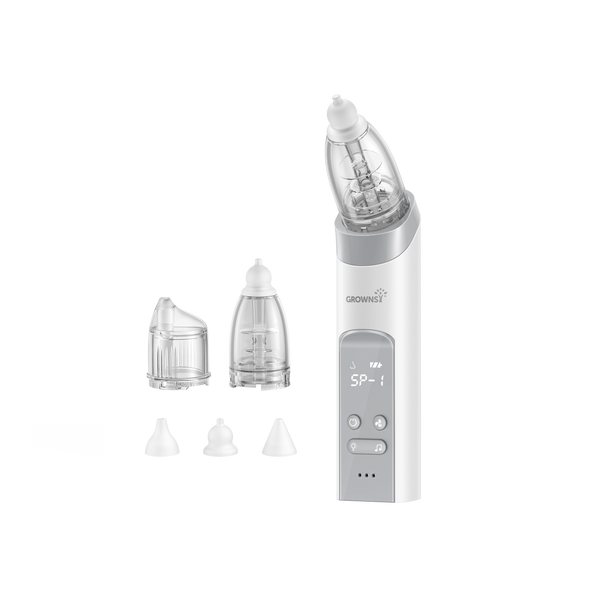
- Clear mucus using saline drops or nasal aspirator.
- Rock your infant in their favorite position.
- Play relaxing music.
- Ensure sufficient sleep.
- Put your infant to sleep flat on their backs for the best breathing support.
When to Use a Nasal Aspirator
When your infant struggles to carry out regular activities, including feeding and sleeping due to nasal congestion, their airways need to be cleared. A nasal aspirator comes in handy for helping them through whatever condition is causing congestion.
Only use a nasal aspirator if your infant’s fast breathing is caused by mucus blocking their nose. You can know for sure if your baby’s fast breathing is accompanied by gurgling, sniffing, and a struggle to feed because they are breathing with their mouths.
A nasal aspirator will help to remove the mucus obstructing their nostrils and will return their breathing to normal, so that they can feed properly.
Use a nasal aspirator a maximum of 4 times per day, as overusing it or using it too aggressively can cause bleeding or swelling of the nasal lining. You should also use saline drops before suctioning to ease the process.
Suction before feeding and before bed to improve your infant’s ability to eat and sleep properly.
Prevention: Reducing the Risk of Respiratory Problems in Infants
You can reduce the risk of respiratory problems in infants through some simple, conscious actions:
-
Minimize exposure to allergens and pollution
Several medical researches prove that when a pregnant mother lives in a polluted environment, the baby’s respiratory system can become weak. It is important to avoid exposure to pollutants such as cigarette smoke, dust, and fine particles, during pregnancy and after delivery. -
Ensure Quality Sleep
Ensure your infant gets sufficient sleep and avoid solid meals at least 2 hours before bedtime to avoid discomfort. -
Avoid contact or proximity with sick individuals
Exposing your infant to people with colds or other illnesses increases their risk of infection which can affect their respiratory system. -
Maintain nasal hygiene
Keep your infant’s airways clean by cleaning their nose with saline solution once or twice a day. -
Stay up-to-date with vaccinations
Keep up with all vaccinations that can protect your infant against respiratory illnesses. -
Get routine health check-ups
Take your infant for routine health check-ups and stay informed about their health, development, and warning signs to look out for.
 Monitoring Your Baby's Breathing: Tools That Help
The two ways to monitor your baby’s breathing are through a baby monitor and through physical check-ins.
Grownsy Smart Baby Monitor
You can track your infant’s audio and visuals using the grownsy smart baby monitor and also monitor their breathing rate, heart rate, and movement.
With the grownsy smart monitor, whether you are in the car and your infant is in the back seat or you’re home but in another room, you can have your eyes on your baby’s breathing pattern and quickly identify any abnormalities.

How to Record Your Baby's Breathing to Show the Doctor
Once you identify changes in your infant’s normal breathing patterns, record a video of your baby’s breathing and show it to a pediatrician.
Here’s how to record it properly:
- Uncover your infant’s chest and stomach.
- Ensure they are calm or sleeping when recording.
- Ensure proper lighting so that the rise and fall of the chest and the skin color are both visible.
- Keep the camera steady and record a video for 60 seconds.
- Position the phone properly to capture the belly and chest movement.
- Record in a quiet environment to capture the sound of your infant breathing and any abnormal breathing noises.
FAQs About Infant Quick Breathing
What is the difference between periodic breathing and apnea?
What is transient tachypnea of the newborn (TTN), and who is at higher risk?
My baby was born by C-section – are they more likely to breathe fast?
Can overheating cause rapid breathing while sleeping?
How do I check skin color of my baby to identify irregular breathing?
Final tips
Although infant quick breathing may seem scary in the beginning, this article has shown that it doesn’t always mean something is wrong.
It is crucial to your baby and observe their typical breathing patterns so that you can notice any worrisome changes and act quickly.
Using a baby monitor to track your infant’s breathing and a nasal aspirator to improve respiration can help to ensure that your infant’s rapid breathing never gets out of hand.
If you notice any of the red flags discussed above, or your infant is suddenly breathing faster than they usually do, don’t hesitate to call a doctor or visit the emergency room to get your infant checked and treated.
Disclaimer: This article is for informational purposes only. For diagnosis or medical advice, please consult a professional.
Related Articles:
1. Infant Spits Up Through Nose: Don't Panic — Here's What to Do
2. Infant Sleeps With Eyes Open: What It Means and What to Do
3. Baby Making Gasping Sounds But Breathing Fine? A Overall Parent's Guide
4. Arching of Back in Infants: What It Means and When to Worry
5. Why Are My Newborn’s Boogers Green? Normal vs. Signs


