


As a new parent, you'll find yourself watching your baby with a mixture of awe and a little bit of worry. Among the many questions that will cross your mind, one of the most common is, "How tall should my newborn be?" It's a natural concern, as growth is a primary indicator of health. This guide is here to demystify newborn length, explain what the numbers on a growth chart really mean, and provide practical advice to help you confidently track your baby's development.
What is the Average Length of a Newborn?
Let's start with the basics. The average length for a full-term newborn baby is typically between 19 and 20 inches (about 48 to 51 centimeters). It's common for baby boys to be slightly longer than baby girls, but this is just an average. Many perfectly healthy babies are born smaller or larger than this range. Your baby's birth length is a starting point, not a predictor of their final height.
Why Do We Measure a Baby's "Length"?

You'll notice that your pediatrician will always refer to your baby's "length," not their "height." This is a simple but important distinction. Height is a standing measurement, while length is measured when a baby is lying down. Since newborns and infants cannot yet stand, measuring their length from the top of their head to the bottom of the heel while they are lying flat on their back is the most accurate way to track their growth.
Is Your Baby's Length Within the "Normal" Range?
During your baby's checkups, their length will be plotted on a growth chart, and you'll be given a percentile. This number can be a source of anxiety, but it's important to understand what it means. A percentile simply compares your baby's length to that of other babies of the same age and sex.
If your baby is in the 50th percentile, it means that 50% of babies their age are longer, and 50% are shorter. A "normal" range is very wide, typically considered anywhere between the 5th and 95th percentiles. The key is not the number itself, but the consistency of the growth curve.
Length and Weight Growth Patterns in the First Year
A baby's first year is a period of incredible growth. In the first six months, it's common for a baby to grow about one inch (2.5 cm) per month and gain about 5-7 ounces (140-200 grams) per week. This rapid growth is often punctuated by "growth spurts," short periods where they may seem hungrier and sleepier than usual as their body works overtime. In the second half of the year, this growth rate slows down slightly but remains steady.
[[related_products_5]]
Factors Affecting Newborn Birth Length and Subsequent Growth
Several factors influence how long your baby is at birth and how they grow afterward. The most significant are genetics, gestational age (full-term babies are typically longer than pre-term babies), and the mother's health and nutrition during pregnancy.
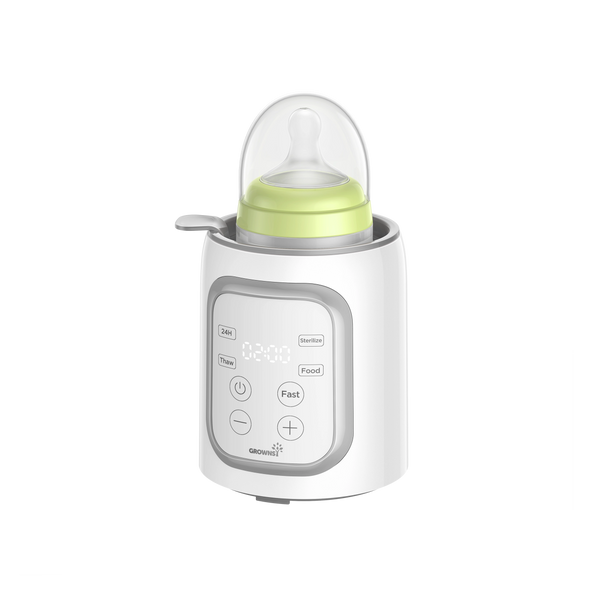
After birth, nutrition becomes the single most important factor. During frequent feedings and growth spurts, ensuring milk is warmed quickly and precisely is key. A modern bottle warmer like the Grownsy Bottle Warmer with Timer ensures milk is ready in minutes at the perfect temperature, supporting efficient feeding.

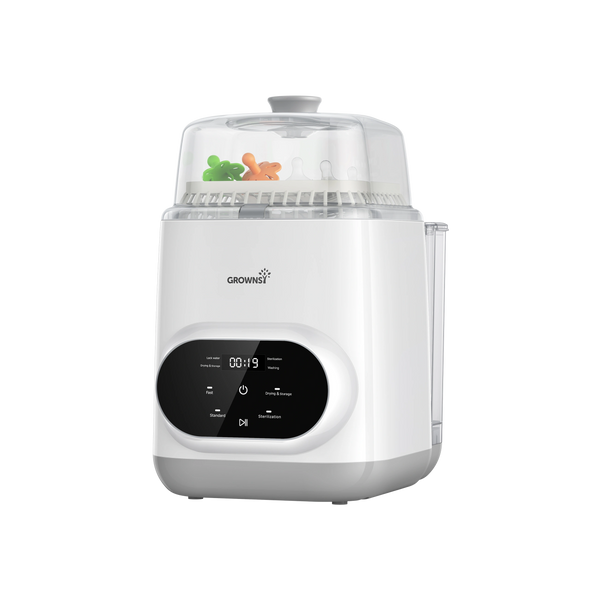
Equally important is hygiene. Sterilizing infant bottles and feeding equipment is crucial for protecting your baby's delicate immune system. For ultimate convenience and peace of mind, choose the Grownsy EaseClean Bottle Washer, which automatically washes, sterilizes, and dries bottles, killing 99.9% of bacteria.
How to Accurately Measure Length and Weight at Home
While your pediatrician will take official measurements, you can also track your baby's growth at home. For length, have one person gently hold your baby's head at one end of a flat surface while another straightens their legs and marks the position of their heels. Then, use a tape measure to get the length.
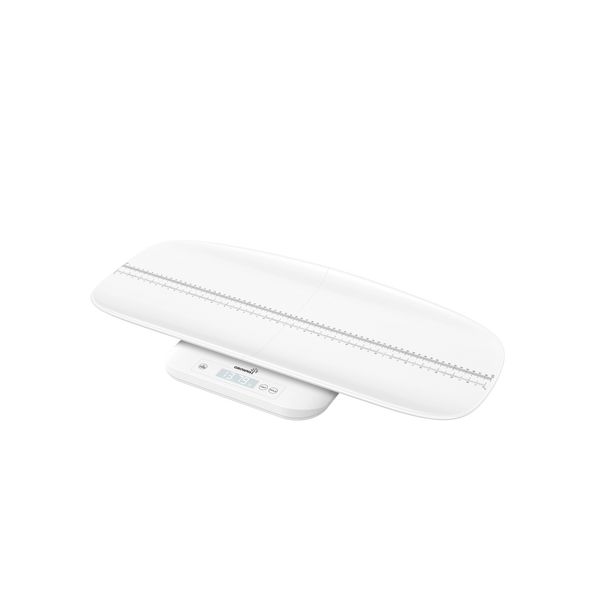
For weight, a regular bathroom scale is not accurate enough. It is essential to use a digital baby scale designed for infants. The GROWNSY Baby Scale provides high-precision measurements, allowing you to track even small changes and provide your doctor with accurate data for monitoring your baby's growth.
What Metrics Should You Track Besides Length?
A baby's growth is supported by their overall well-being, especially the quality of their sleep. Monitoring their environment can help ensure they are comfortable. Using a smart baby monitor or a room thermometer to keep the temperature and humidity in the ideal range can promote deeper, more restorative sleep, which indirectly supports growth.
This peace of mind extends beyond the nursery. For stressful situations like driving, the GROWNSY Baby Car Camera lets you see your baby clearly from the driver's seat, ensuring their safety and comfort on the go.

When to Consult a Pediatrician About Growth Concerns
It's important not to obsess over the numbers, but there are certain red flags that warrant a conversation with your pediatrician. The main concern is not a single low measurement but a change in the growth pattern. If your baby's length drop in percentile significantly over two or more well-child visits, or if there is a prolonged period with no growth, it's a good idea to discuss it with your doctor. Always bring up any concerns you have, as you know your baby best.
Enjoying Your Baby’s Unique Journey
Your baby's length is just one small piece of their overall health picture. Instead of focusing on a specific number, pay attention to their steady growth over time, their developmental milestones, and their general happiness. By providing excellent nutrition, a safe and comfortable environment, and lots of love, you are giving them the best possible foundation for healthy growth. Remember that having the right newborn essentials can make this journey smoother and give you more time to simply enjoy your beautiful new baby.
FAQ About Newborn Length and Growth
Q1.How often should we measure our baby's length, weight, and temperature?
Length and weight can be measured by your pediatrician during each well visit. You can measure them weekly at home to reassure yourself. Their temperature needs to be checked if you suspect they are sick.
Q2.Why has my baby's length percentile suddenly dropped? Should I be worried?
A small drop could very well be within the range, particularly if your child is a very long baby and is adjusting to their natural genetic patterns of growth. Still, a steady drop each time you visit your doctor could merit a discussion to eliminate any possible problems.
Q3.What can I do besides feeding to support my baby's healthy growth?
It is essential to make sure your baby is getting plenty of quality sleep because growth hormones are released during this time. Creating a peaceful environment, offering tummy time to build muscle strength, and providing plenty of love and comfort also play a vital role.
Q4.Will my baby lose weight and 'shrink' in length after birth?
Loss of up to 10% of birth weight is normal within the first few days after birth but is to be regained within two weeks. They wouldn't, though, "shrink" in length.
Q5.How can I scientifically ensure feeding efficiency to support length growth?
Practice responsive feeding (feeding when they show hunger signals), make sure they are latched to you properly to avoid air consumption, and make feeding times smooth and easy for them. A good bottle warmer helps you to have breast milk available at an optimal temperature at any given time.


