


Welcome to the wonderful world of solid foods! As you start this new journey, you have many choices to make. One big question is whether to buy a dedicated baby food maker. Is it a must-have tool for new parents? Or is it just another gadget that will sit on your counter? This guide will break down the real costs and benefits. We'll help you decide if this popular appliance is truly worth it for your family.
What Is a Baby Food Maker?
Before we weigh the pros and cons, let's look at what makes this appliance special. A baby food maker is an all-in-one machine. It's designed to make preparing homemade baby food as simple as possible. Its main job is to steam and blend food in the very same container.
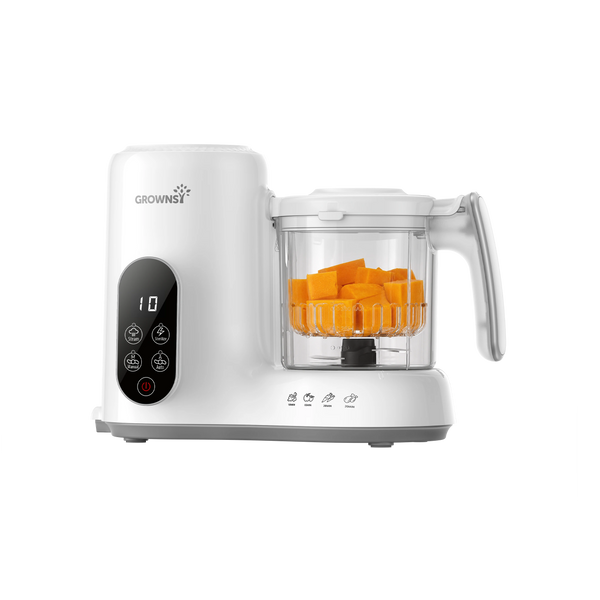
The process is easy. You start by placing chopped fresh fruits, vegetables, or meats into the machine’s bowl. The steam function then cooks the food gently. This gentle cooking method helps preserve important nutrients. Once the food is cooked, you just press a button. The same machine blends it into a perfect, smooth puree for your baby.

What Are the Core Benefits of Using One?
Many parents find that a baby food maker brings both convenience and peace of mind. It appeals to families who are health-conscious and also very busy.
The biggest benefit is having complete control over your baby's diet. When you make your own baby food, you know exactly what’s in every spoonful. There are no hidden preservatives, added sugars, or salt. You can choose fresh, organic ingredients. This ensures your baby gets the best quality nutrition right from the start.

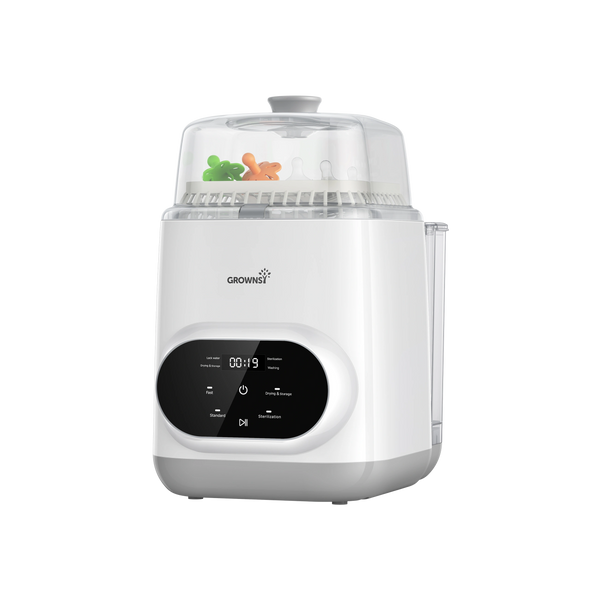
Convenience is a huge selling point. Think about the cleanup. Without this machine, you might use a pot to steam, a strainer, and a separate blender. That creates a sink full of dishes! The all-in-one design handles everything. This streamlined process saves you precious time and makes cleanup a breeze. For parents looking to streamline other tasks, an all-in-one bottle washer, sterilizer, and dryer can be another game-changer in the kitchen.
Homemade purees open up a world of new tastes for your baby. Jarred food works well in a pinch, but freshly steamed produce offers brighter flavors and textures. You can introduce them to the taste of freshly steamed pears or roasted sweet potatoes. This early exposure to real, vibrant flavors can help your baby become a more adventurous and less picky eater later on. For more inspiration, you can find many simple porridge recipes for babies and toddlers that are easy to prepare.
Are There Any Potential Downsides to Consider?
While it has great benefits, a baby food maker isn't the perfect choice for every family. It's important to know the potential downsides before you decide to buy one.
The first consideration for many families is the upfront cost. A quality baby food maker is an investment. It often costs more than a standard blender. You should also think about how long you'll use it. Most families use the machine very frequently for about six to nine months. This is during the time your baby eats purees and soft foods.
Another practical point is the batch size. These machines are designed for making fresh meals for the next day or two. They are not built for prepping a month's worth of food at once. If you're a parent who loves to cook in large batches for the freezer, the smaller bowl might feel a bit limiting.
Can You Get the Same Results with Tools You Already Own?
This is the big question many parents ask. Is a special gadget truly necessary? You can absolutely make your own baby food using the kitchen tools you already have. The choice really comes down to what you value more: convenience or cost.
| Feature | Baby Food Maker | Pot + Blender Method |
| Convenience | High (All-in-one process). | Lower (Multiple steps and tools required). |
| Cleanup | Minimal (Usually one container and blade). | High (Pot, steamer basket, blender, utensils). |
| Nutrient Retention | Excellent (Steaming is a superior method). | Good (Boiling can leach some water-soluble vitamins). |
| Cost | Higher upfront investment. | Low to no cost if you already own the equipment. |
Calculate the Financial Payoff: Does It Save Money?
While there is an initial investment, a baby food maker can pay for itself over time. Let's look at a quick break-even calculation.
Assumptions: A baby eats two solid food meals per day. The average cost of a store-bought organic baby food jar is $1.50. The average cost of a homemade organic serving is about $0.50.
The Math:
- Daily cost of store-bought: 2 meals x $1.50 = $3.00
- Daily cost of homemade: 2 meals x $0.50 = $1.00
- Daily Savings with Homemade: $2.00
If a quality baby food maker costs $120, you would break even in approximately 60 days, or two months. After that, you would be saving roughly $60 per month.
Who Is a Baby Food Maker Really For?
Ultimately, the decision is a personal one based on your lifestyle, budget, and cooking habits.
A baby food maker is a great investment if:
- You prioritize convenience and want to minimize meal prep and cleanup time.
- You are committed to providing fresh, organic, and preservative-free meals.
- You plan to make food in small, fresh batches every few days.
Using your existing kitchen tools may be a better fit if:
- You are on a tight budget and already own a good blender and steamer.
- You prefer to cook in very large batches to freeze for weeks at a time.
- You have limited kitchen storage and countertop space.
Final Verdict: Is a Baby Food Maker Worth Your Money?
Is a baby food maker something worth investing in? For many families, a baby food maker becomes a helpful and time-saving tool. But is it a must-have? No. The most important thing is giving your child healthy and nourishing food. It matters little whether you do this with a high-end appliance or with a pot and a fork, you will be doing a fantastic job nonetheless!
FAQ
Can I use a regular blender instead of a baby food maker?
Yes, you can. The main difference is that with a standard food blender, you would have to cook your food first, including baby food, by boiling or steaming it, and then putting it in the food blender. A baby food maker is a machine that will do that automatically for you.
How long will my baby need pureed food?
The pureed stage will continue from the onset of solids, which is roughly 6 months, up until the child is 9 to 12 months old, when he/she will begin transitioning towards eating softer and chunkier food items and finger foods, respectively. However, you can use the appliance further for steaming veggies and healthy smoothies for your toddler. You can find simple and safe recipes in our guide to homemade baby food for 4-6 month olds.
Does a baby food maker retain more nutrients than boiling?
Yes. Steaming, which is the cooking process used in most baby food makers, is better than boiling in terms of preserving water-soluble vitamins, such as Vitamin C and the B vitamins, because these vitamins can be extracted into the boiling water.

What should I look for when buying a baby food maker?
A glass work bowl would be a better alternative to plastic bowls in terms of avoiding any potential chemical leakage. Ease of cleaning is an important factor here; some machines will be easier to clean with dishwasher-safe parts, so take these into consideration in your decision. Finally, machine capacity will be a factor so you can make a large enough batch.


