



Short answer: yes. Crab can actually be a safer seafood to consume while pregnant, provided you know it's been thoroughly cooked and you don't eat it too much per week.
Crab is listed as one of the “Best Choices” for low mercury seafoods by the FDA and EPA [1]. It contains protein, Vitamin B12, zinc and selenium.
All of us are searching for mercury, but it is the bacteria that really causes the trouble with crab. Steamed crab leg is rarely a concern. It might be a cold crab dip on a party tray that had been sitting for two hours.
Crab comes in many varieties, including crab legs, crab cakes, seafood boils, imitation crab and soft shell crab, and this guide will discuss each type. You'll see what to look for in each before you take the first bite.

Can You Eat Crab While Pregnant? The Direct Answer
Yes. A great majority of these searches were made by people asking “can you eat crab while pregnant”. Cooked crab, in moderation, is safe to eat, according to both federal guidelines and the OB-GYN's recommended by big pregnancy resources.
This is what moderate means. The FDA and EPA recommend that pregnant women, women who can become pregnant and women who are breastfeeding have 2 to 3 servings of Best Choices seafood each week. Serving size is 4 ounces and the range for the week is between 8 to 12 ounces.
That includes crab, salmon, shrimp, cod and pollock and canned light tuna. It does not have a separate allowance.
An important number. An analysis of consumption data by one FDA study revealed that half of the pregnant women surveyed consumed less than 2 ounces of seafood per week [6]. A lot of people aren't using it to excess. They are avoiding it because of fear.
Mercury in Crab Versus the Seafood You Should Avoid
Do crabs have mercury? A little, yes. It is found in all fish and shellfish, and chronic exposures to it from fish can affect the developing brain and nervous system [6]. Hence the weekly caps. Crab, however, is in the bottom group.
The average concentration of mercury in blue, king and snow crab is significantly lower than that of large predatory fish (shark, swordfish, bigeye tuna, marlin, orange roughy and Gulf of Mexico tilefish), which FDA advises pregnant women to avoid.
Crab is a single Best Choice on a federal chart, even though Dungeness crab is somewhat more expensive than other crabs in some data sets.
Blue Crab and Pregnancy: Where It Was Caught Matters More Than the Species
Blue crabs and pregnancy are a natural fit on mercury. Blue crab is a popular item in the Chesapeake Bay and Gulf Coast and is rated in the same Best Choices group as other crab.
It is more important where it is from than what species it is. If a friend or family member has caught the crabs, first check local fish and shellfish advisory before eating. According to the FDA and EPA, seafood that is caught by family and friends is more likely to contain local advisories for mercury or other contaminants.
One more thing to get into: Do not eat the body's soft, green, yellow "tomalley". It is similar to the liver and pancreas of the crab and can concentrate contamination.
Well, that's a conservative assessment and not something that the FDA chart specifies, and you don't lose anything nutritionally if you avoid it.
How Much Crab Can You Eat in a Week?
Consider 8-12 ounces of seafood a weekly allowance and crab as one way of spending it. In the absence of a scale, think about a portion that's about as big as your palm (4 oz.) cooked.
Here’s what a week could look like. It is a representation and not a prescription.
| Day | Meal | Seafood category | Cooked portion |
|---|---|---|---|
| Monday | Steamed snow crab legs | Best Choice | 4 oz |
| Wednesday | Baked salmon | Best Choice | 4 oz |
| Saturday | Shrimp tacos | Best Choice | 4 oz |
| Weekly total | — | — | 12 oz |
All three picks are from the Best Choices list [1]. The total is on the high end of the recommended range. If you want crab twice a week cut another meal. You can also go down to the 8-ounce end and still be well within the guidance.
Why Undercooked Crab Is the Bigger Risk: Listeria and Temperature
This is the part you should tape to the fridge. Cook all seafood to an internal temperature of 145° F . The CDC provides clear visual cues for crab: cook until the flesh is pearly and opaque.
Raw or undercooked shellfish can contain bacteria called Listeria, which pregnant women are about 10 times more likely to catch than the general population. Listeria can cross the placenta and has been associated with miscarriage, preterm labour and infection in newborns.
Infection is rare. In any case, it is a hard line, because the consequences are serious enough.
Practical rules that cover most situations:
- Avoid raw crab and ceviche and anything that’s “lightly cooked.”
- The majority of crab legs sold in stores are precooked prior to freezing, and your task is to reheat them until they are hot from center.
- Refrigerate or freeze leftovers within two hours or one hour if the temperature is 90°F or higher.
- Don't use pre-made refrigerated crab dips and crab salads unless they have been heated through.
- A buffet is a wager, as you cannot determine the length of time a tray has been on the table.

Crab Legs, Snow Crab, and King Crab: Reheat Pre-Cooked Clusters Until Hot
Can you eat crab legs while pregnant? Yes, if they can be cooked through and served hot [4]. Most legs are pre-cooked, so all that is needed is a steamer basket or a quick simmer. If the meat is still warm in the thickest section of the leg and steaming when you open it up, you're good.
Can you eat snow crab while pregnant? One reason snow crab is in favor is that it is mild and conveniently sized for portioning. Picked leg meat is one easy 4oz portion to accomplish a weekly goal. King crab is also in the same Best Choices category and is to be prepared in a similar manner: hot, cooked and measured.
Seafood Boils: Safe in the Pot, Risky Once the Food Sits Out
So can you eat seafood boil while pregnant? Typically, yes, but there are a few exceptions. A boil begins in your favor because all is cooked in hot seasoned water. Other potential stars are crawfish and shrimp, which are also best choices.
Things that go wrong tend to be on the edges. Make sure that shellfish is steaming, not just lukewarm from cooking in a pan. Ignore any raw oysters on the side table. Foods that are left out for more than two hours (more than one hour when the temperature is above 90° F) are a bacteria problem, regardless of how long they were initially cooked.
Seasoning and smoked sausage are other sources of sodium. If your provider has mentioned any swelling or high blood pressure, feel free to ask a question before you commit to the full-size boil.
Crab Cakes and Crab Rangoon: Check the Center and the Filling
You can eat crab cakes while pregnant, but only if they have been cooked thoroughly. The center is where the risk is, because it's still cool. The Eggs are used as a binder in crab cakes, which have different food-safety guidelines than fish (160°F). Set for a middle temperature of 160° Fahrenheit with a margin.
In the house, it is determined with a thermometer placed in the center. At a restaurant, slice it open. Send it back if the middle is cold, wet or is just slightly warm.
People also ask can you eat crab rangoon while pregnant. Generally yes.
The heat generated while frying is sufficient to kill pathogens that may be introduced in the new batch of filling. There are many restaurants that serve rangoon made from imitation crab and cream cheese, and the cream cheese is usually pasteurized. If you have doubts, bite one open. The filling should be hot.
Discard any that were lukewarm or under a heat lamp. The crab usually doesn't make up a large part of the meal, and the rest is fried dough and filling, so we wouldn't add rangoon to the weekly seafood ounces. It’s a treat.
Quick Reference
| Dish | Verdict | What to check |
|---|---|---|
| Steamed crab legs | Safe | Hot all the way through |
| Crab cakes | Safe | Center fully cooked (aim for 160°F) |
| Crab rangoon | Safe | Freshly fried, hot filling |
| Seafood boil | Safe | Served hot, not left out over 2 hours |
| Imitation crab (cooked dish) | Safe | Heated through if it’s in a hot dish |
| Soft shell crab | Safe | Fully cooked, not lightly seared |
| Cold crab dip or deli crab salad | Risky | Skip unless heated through |
| Raw crab, ceviche, raw-fish sushi | Avoid | Raw seafood is off the table [3] |
Imitation Crab: Cooked and Low in Mercury, but Highly Processed
What Surimi Is and How to Buy It
Imitation crab or surimi is fake crab or a substitute for crab meat. It consists of a starch, sugar and sodium, as well as minced white fish and flavour. The raw-seafood concern doesn't apply as it is already cooked. So can you eat imitation crab while pregnant has a straightforward answer: you can.
There are two points to note. It is a processed food and thus will have more additives than that of actual crab, and it will typically have less protein than actual crab. It's sold from the refrigerator, and if the package has become stale, Listeria can hide and lurk in there.
Purchase fresh and always check the date and make sure that it is kept cold. Reheat until hot if adding to a hot dish.
On mercury, does imitation crab have mercury? Barely. Fish used for most surimi, including pollock, cod and tilapia, are all Best Choices (federal list). Imitation crab has no significant effect on mercury exposure.
California Rolls and Other Sushi With Imitation Crab
Can pregnant women eat imitation crab sushi? Imitation crab is good because it is cooked. It's the sushi around it that is the question. You have to avoid consuming raw fish. A good substitute would be a California roll with imitation crab, cucumber, and avocado, and anything that isn’t raw tuna or salmon.
Buy from a location that has turnover. A homemade roll is better than a grocery cooler pack that's been laid out in the morning. It's also a good question to ask if there are separate boards and knives for raw fish in the kitchen.
Soft Shell Crab Pregnancy: What to Know
Soft shell crab pregnancy questions come up because you eat the entire crab, shell included. Soft shells are blue crabs caught right after molting, so the mercury picture matches blue crab.
Most of these tend to be either fried or sautéed whole; they will be fine if they are cooked through and hot when they're eaten. Do not have anything that's lightly seared or served rare.
Crab in the First Trimester: Same Rules, Plus Nausea Workarounds
People often ask about crab during pregnancy first trimester. There are no trimester-specific rules. Cooked, hot and measured is from week four to week 40. Early weeks are not a free pass or a danger zone, the risk of listeria is present throughout pregnancy.
There is one practical aspect to the first trimester, however: nausea. If you are feeling nauseated by the smell of seafood, it's probably best to steer clear. As long as you skip one meal, you can make it up when you're starving.
On the other hand, protein may not be easy to consume in early days and crab is a low-fat, high protein food that many people tolerate.
When to Call Your Provider
Symptoms of Listeria can range from mild, flu-like symptoms to none at all [8]. If you feel ill after eating something that seems suspicious (fever, chills, or muscle ache), notify the OB/midwife and let them know what you ate. Do not wait and watch and see if it clears.
If you are allergic to shellfish, do not eat crab, and ask your provider about any other health concerns you have.
Planning Ahead: Beyond the Menu
Finding out what’s safe to eat is one of the first things many people do to prepare for pregnancy. The next step is usually to prepare for the birth itself. Many parents start packing a hospital bag in the third trimester and it’s easy to forget recovery supplies.
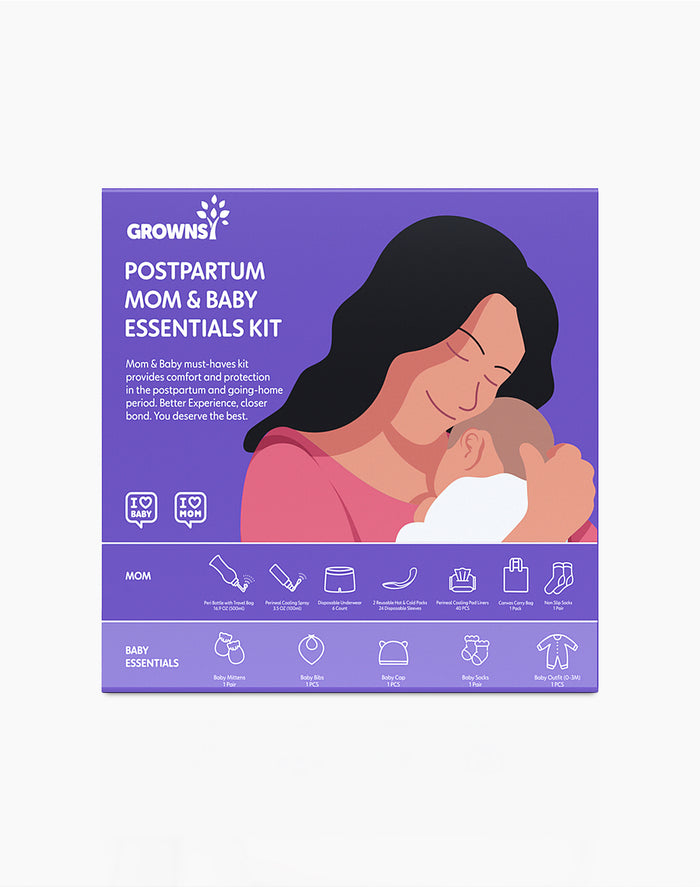
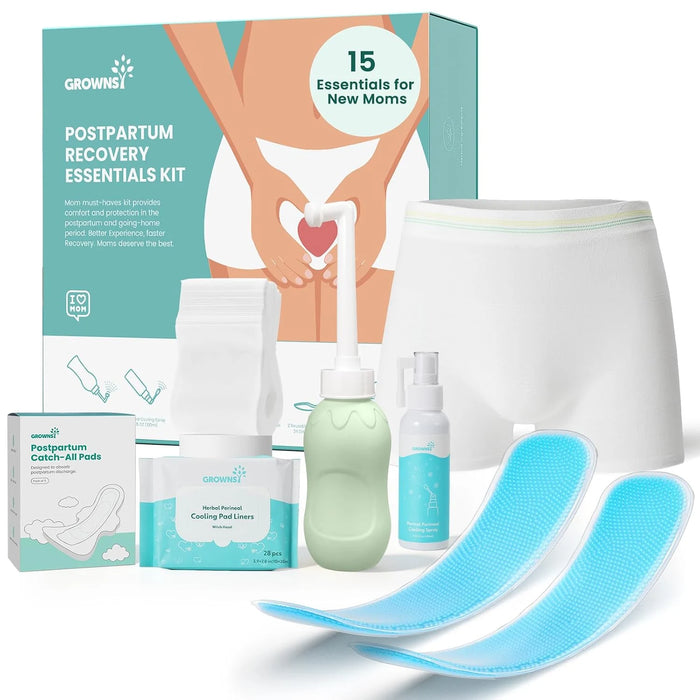
A postpartum care kit has all the essentials in one spot: a peri bottle, herbal cooling spray, cooling pad liners, hot and cold packs, disposable pants and a small baby outfit set.
Order it before your due date and you'll have one less thing to worry about when baby arrives.
The Practical Takeaway
Crab is listed on the “yes” side. You just have to limit your seafood to 8-12 ounces per week and count the crab for your weekly allowance, and cook the seafood until it is hot and opaque.
Don't consume raw crab, cold dips or anything that has been sitting out. When eating out and unable to assess how a dish was handled, choose one that is steaming when it arrives.
That’s really it. No need to sacrifice crab legs or crab cakes for nine months and no need to be concerned about the mercury in a food that has been classified by the FDA as being in the lowest risk category. The only thing that is required is a degree of attention to temperature.
Related Articles



Editor's Recommendation
References
- U.S. FDA and EPA. Advice About Eating Fish.
- U.S. FDA. Mercury Levels in Commercial Fish and Shellfish (1990-2012).
- FoodSafety.gov. Food Safety for Pregnant Women.
- The Bump. Can You Eat Crab While Pregnant? (medically reviewed, updated March 2026).
- CDC. Food safety guidance (safe cooking temperatures and refrigeration timing).
- U.S. FDA. FDA and EPA Issue Fish Consumption Advice (Constituent Update).
- Michigan State University Extension. Pregnancy and Food Safety.
- University of Georgia Extension. Food Safety Recommendations for Women During Pregnancy.


