


All You Need to Know About a 1-Year-Old Nap Schedule
The 12-month sleep stretch is real, and it catches even well-prepared parents off guard. This stage is a lot between nap transitions, separation anxiety, and sometimes an all-night protest. Here's the truth about the matter and no fluff.
Myths About the 12-Month-Old Sleep Schedule
A few things parents hear constantly that just aren't true:
"By now, a good baby should be sleeping through the night". It's perfectly normal if many healthy 12-month-olds wake once or twice.
"Shortening naptimes makes them sleep more at night." The opposite is usually true. As Nationwide Children's Hospital notes, cutting back on naps leads to overtiredness and a worse night's sleep.
"The target is to have one nap by 12 months". Most babies will not be ready until 13-18 months. If you rush it, you're likely to make a mistake.
My Baby Just Started Walking and Now Won't Sleep: Is That Normal?
Completely normal. When babies hit a big motor milestone like walking, their brains are processing new movement patterns around the clock, sometimes even during sleep.
The Sleep Foundation's overview of the 12-month sleep regression confirms that developmental leaps are a primary driver of sleep disruption at this age. Keep your routine steady. It usually settles within two to three weeks.
How Much Sleep Does a 12-Month-Old Actually Need?
The AAP-endorsed pediatric sleep consensus statement defines the recommended total sleep time for 12-month-olds as 12 to 16 hours of sleep each day, including naps. Nemours KidsHealth simplifies this to a night of 9-12 hours of sleep and one or two naps during the day for a total of 1.5-3 hours.
My Baby Sleeps Way Less Than 13 Hours, Should I Be Worried?
Not automatically. What matters more than hitting a number is how your baby functions during the day. Happy wake windows, normal development, and a content disposition are better indicators than total hours alone. If they're consistently cranky and struggling to get through the day, that's worth looking at more closely.
How Do I Know If My Baby Is Overtired or Under-Tired?
These two look almost identical, which trips up a lot of parents.
- Overtired signs: Sudden fussiness, rubbing eyes, pulling ears, difficulty settling at nap time, frequent night waking, and very early morning waking.
- Under-tired signs: Takes 30+ minutes to fall asleep, short naps (30 to 45 minutes), resists sleep but doesn't seem exhausted, and wakes happy very quickly.
The goal is catching the tired window before it becomes overtired, enough awake time to build sleep pressure, but not so much that your baby tips over the edge.

Wake Windows
Wake windows are simply how long your baby stays awake between sleep stretches. At 12 months, keeping these in range makes nap timing and bedtime significantly easier.
| Position in Day | Wake Window |
|---|---|
| Wake to Nap 1 | 3 to 3.5 hours |
| Nap 1 to Nap 2 (two-nap babies) | 3 to 3.5 hours |
| Last nap to bedtime | 3.5 to 4 hours |
Babies moving toward one nap will need longer windows, around 5 to 6 hours before that single midday nap, and 4 to 5 hours after it before bed.
Sample Schedule
Baby Still on Two Naps
| Time | Activity |
|---|---|
| 7:00 AM | Wake up |
| 7:15 AM | Milk + breakfast |
| 10:00 AM | Nap 1 (45--60 min) |
| 11:30 AM | Lunch |
| 2:15 PM | Nap 2 (45--60 min) |
| 5:30 PM | Dinner |
| 7:00 PM | Bath + wind-down |
| 7:30 PM | Bedtime |
Baby Dropping to One Nap
| Time | Activity |
|---|---|
| 7:00 AM | Wake up |
| 7:15 AM | Milk + breakfast |
| 12:00 PM | Single nap (1.5--2.5 hrs) |
| 3:00 PM | Snack |
| 5:30 PM | Dinner |
| 7:00 PM | Bath + wind-down |
| 7:30 PM | Bedtime |
During the transition, pull bedtime earlier (7:00 to 7:30 PM) to compensate for the lost second nap.
Is My 12-Month-Old Ready to Drop to One Nap?
Probably not yet, but close. Mayo Clinic's baby nap guidance notes that most children shift to one midday nap between 12 and 18 months, with some starting around 10 to 12 months. The transition is gradual, not a one-day switch.
What Are the Actual Signs They're Ready, Not Just Fighting One Nap?
One bad nap day doesn't count. Look for a consistent pattern across two to three weeks:
- Consistently taking 30+ minutes to fall asleep for nap two, even when clearly tired
- Nap two keeps pushing bedtime past 8:30 PM
- Night sleep stays solid; disrupted nights usually mean they still need both naps
- Short first nap followed by complete refusal of a second nap, but no signs of overtiredness
We Dropped Too Early, and Now Everything Is Worse: What Do We Do?
Go back to two naps. Sleep isn't a milestone you can't revisit. Reintroduce nap two for one to two weeks, let the sleep debt clear, and then look for the genuine readiness signs above before trying again.

12-Month Sleep Regression
If your baby was sleeping beautifully and then suddenly wasn't, welcome to the 12-month regression. It's one of the most common reasons parents end up down a rabbit hole of sleep research at 2 AM.
The Sleep Foundation puts it plainly: at this age, babies are hit with separation anxiety, teething, major motor development, and schedule shifts, often all in the same window. Even the best little sleepers hit a wall here. It's not a fluke, and it's not something you caused.
Separation Anxiety
This one sneaks up on a lot of families because it doesn't always look like what you'd expect. It's not just clinginess during the day; it shows up at bedtime, at 2 AM, at 4 AM.
Here's what's actually happening: your baby has reached the stage where they fully understand you exist when you leave the room. Which sounds like progress, but it also means every separation feels urgent to them.
They know you're out there somewhere. They just don't know when you're coming back.
HealthyChildren.org's piece on separation anxiety and sleep describes this phase as beginning in the second half of the first year and potentially lasting several months, with babies waking multiple times, crying out for one or both parents. It's completely normal developmental stuff.
The thing that actually helps isn't avoiding the separation; it's making it predictable. Same routine, same order, same reassuring response from you every single time. Your baby can't tell time yet, but they can read patterns. When the routine is consistent, they start to trust that sleep is safe and that you'll be there when they wake up.
How Long Does the Regression Last?
Most families come out the other side within two to six weeks. It feels longer in the thick of it, but that's genuinely the typical window.
If you're still in rough shape after six weeks with no real improvement, it's worth stepping back and asking whether something else is going on.
Sometimes the schedule has shifted, and the wake windows no longer fit. Sometimes it's teething that just won't quit. Sometimes a mild illness dragged things out longer than expected. The regression itself isn't usually the culprit at that point; something underneath it is keeping things stuck.
When Should I Call the Doctor?
Most sleep disruption at this age is developmental and doesn't need a medical visit. But pick up the phone if:
- Your baby is waking more than four or five times a night, every night, for several weeks without any sign of improvement
- They seem genuinely distressed or in pain when they wake, not just fussy, but like something hurts. This can point to ear infections, reflux, or teething that's gotten severe
- You're noticing snoring, labored breathing, or any pauses in breathing while they sleep
- The sleep disruption is coming alongside changes in weight, feeding, or development that are worrying you

Building a Healthier Sleep Schedule
A healthy sleep schedule starts with consistency throughout the day. Keep your baby's morning wake time as regular as possible, even after a difficult night, to help regulate naps and bedtime.
Morning daylight and a predictable bedtime routine, such as a bath, feed, book, and lights out, also support healthy sleep habits. If congestion is disrupting sleep, clearing your baby's nose before bed may help them settle more comfortably.
One last thing that genuinely tanks sleep and almost never gets enough airtime: congestion. Babies this age are nose breathers. They haven't figured out mouth breathing as a backup plan yet.
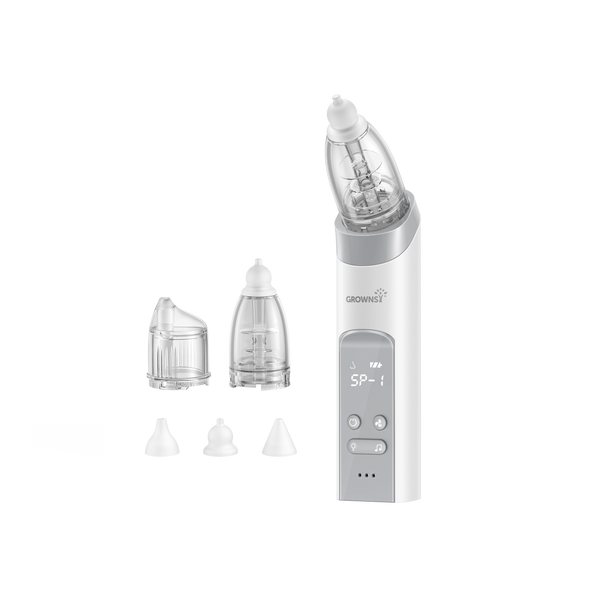
So when they're even a little bit stuffy, sleep gets fragmented, they keep partially waking because they can't breathe comfortably, and don't know why. A quick clear with a Grownsy Nasal Aspirator before bed takes about thirty seconds and can genuinely be the difference between a settled night and an awful one.
Should We Reduce Formula or Breastfeeding?
There is no universal timeline for reducing breastfeeds or formula. Most babies can transition to whole cow's milk after 12 months, but feeding changes should be based on your baby's growth, nutrition, and readiness.
If your baby still wakes at night, hunger may not always be the cause, so address sleep habits as well as feeding. Always consult your pediatrician before making significant changes to your baby's feeding routine.
FAQ
1. Is it normal for a 12-month-old to still wake up once or twice a night?
Yes. Nationwide Children's Hospital notes that even by 6 months, 25 to 50% of babies still wake during the night. One or two brief wakings at 12 months is normal and not a red flag on its own.
2. Should I night-wean at 12 months?
It depends on your baby. The AAP's breastfeeding guidance on HealthyChildren.org supports continued breastfeeding beyond 12 months as long as both parent and child want to continue. There's no hard rule. Always loop in your pediatrician before making big feeding changes.
3. My Baby Was Sleeping Through the Night and Then Suddenly Stopped. What Happened?
At 12 months, this almost always comes down to the developmental leap, separation anxiety, teething, or a schedule that's outgrown itself. The skills your baby built before haven't disappeared; they're just temporarily buried.
Hold your routine, avoid introducing new sleep props, and give it two weeks before deciding you need a major intervention.
Conclusion
Twelve months is a genuinely hard sleep stage. There's no way to sugarcoat it. Your baby is learning to walk, starting to talk, figuring out that you're a separate person from them, and processing more new information every single day than they'll probably process at any other point in their life. Of course, sleep is bumpy. It would be strange if it weren't.
What actually gets you through this stretch isn't finding the perfect schedule or cracking some secret sleep code. It's staying consistent when you're exhausted, trusting the process even when it feels like it's not working, and remembering that your baby isn't giving you a hard time; they're having a hard time.
Sleep will come back. It always does.
Editor's Recommendation
-
Grownsy Nasal Aspirator: Congestion disrupts infant sleep more than most parents realize. Use it as part of the bedtime routine to help your baby breathe clearly through the night.
-
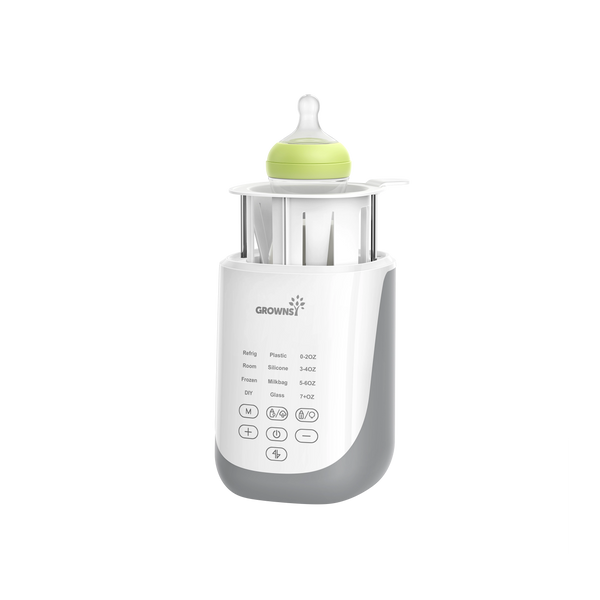
Grownsy Bottle Warmer: For nighttime and early morning milk feeds, even, consistent warming without guesswork.
-
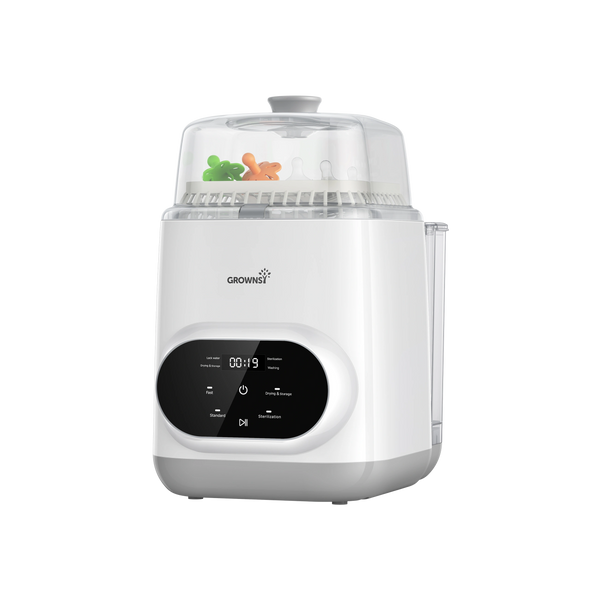
Grownsy Bottle Washer: Spend less time at the sink at midnight. Thorough, fast cleaning for bottles and feeding gear.
Disclaimer
This article is for informational purposes only and is not a substitute for professional medical advice. Always consult your pediatrician before making changes to your baby's sleep routine, feeding schedule, or if you have any concerns about your child's health or development.


