


When Do Babies Drop to One Nap? A Complete Guide to the 2-to-1 Nap Transition
One week your baby naps like clockwork. Next they're fighting sleep every step of the way or crashing hard at 5PM and ruining bedtime.
If you're wondering, "When do babies drop to one nap?" you're not the only one. It's one of the most messy sleep milestones, not that it's dangerous, but because it takes a long time, there's a lot of back-and-forth, and it rarely follows a clean timeline.
This guide walks you through everything you need to know, so stay tuned.
What Is the 2-to-1 Nap Transition?
This is just when your baby no longer needs a morning and afternoon nap and consolidates into one longer midday sleep.
What Changes When a Baby Drops from Two Naps to One
Wake windows get really long. Instead of trying to fit in 3 to 3.5 hour wake windows between naps, you're looking at 4 to 6 hours awake before and after one nap. Total daytime sleep usually drops from 2.5 to 3.5 hours with two naps to 1.5 to 2.5 hours with one midday block of sleep.
Why This Transition Is Different from Earlier Nap Changes
Earlier transitions such as from three naps to two happen quickly. This one does tend to hang on. Many toddlers have weeks where they require two naps one day and are okay with one the next. That inconsistency is completely normal, but makes everything feel messier than it really is.

When Do Babies Drop to One Nap Usually?
Most babies make this switch between 13 and 18 months of age. KidsHealth (Nemours) says most kids will drop to one nap a day by 18 months, although young toddlers may still take two naps. The average is usually about 14 to 15 months, but each child is different.
Is 11--12 Months Too Early to Drop to One Nap?
Yes, for most babies. What appears to be readiness at 12 months is often the 12-month sleep regression, caused by walking, language leaps and major life changes such as moving to a different daycare room. Most sleep experts recommend not making the change permanent until your baby is at least 13 to 14 months old.
Can Some Babies Switch Earlier Than Others?
A few babies are really ready at 12-13 months, especially if their morning nap has gotten very long and they are regularly fighting the afternoon nap. But those are the outliers. If your baby is still sleeping well on two shorter naps, don't rush it.
Why Daycare Babies May Move to One Nap Earlier
Daycare schedules frequently push this transition earlier than it would naturally occur at home. As one certified sleep consultant stated in The Bump, children are frequently transitioned to one nap once they leave the infant room, which occurs around the 12-month mark. If that's the case, compensate with an earlier bedtime on daycare days.
How Much Sleep Does a Baby Need During This Stage?
The AAP-endorsed American Academy of Sleep Medicine recommends that toddlers aged 1 to 2 years get 11 to 14 hours of total sleep (including naps) per 24 hours. In practice this usually means 10-12 hours of night sleep and 1.5-2.5 hours of daytime nap.
What Happens When Day Sleep Starts Affecting Night Sleep
Your baby may have an excessively dispersed sleep drive if their afternoon nap is delaying bedtime or if they are waking up more frequently at night for no apparent reason. Often, consolidating into a single nap improves nighttime sleep more quickly than parents anticipate.
Why Do Babies Start Resisting Two Naps?
1. Longer Wake Windows and Stronger Sleep Pressure
Sleep pressure builds more slowly as babies get older. A 15-month-old simply doesn't accumulate enough drowsiness by mid-morning to fall deeply asleep the way they did at 9 months. So when you try putting them down for a morning nap, they resist or take a very short one.
2. Developmental Changes Around 12--15 Months
Walking, climbing, language bursts, and growing cognitive awareness all happen in a concentrated window around this age.
"The brain is developing quickly in cognition at this point, so they're able to go longer between sleep periods and better distribute their energy throughout the day," said a certified pediatric sleep consultant to Summer Health.
3. Separation Anxiety, Walking, Teething, and Sleep Disruptions
Not every disruption around 12 to 15 months means your baby is ready to ditch a nap. Teething, illness, separation anxiety and the excitement of learning to walk can all temporarily upset sleep. Don't change your schedule until you see patterns that last for at least a week or two.

Signs Your Baby Is Ready to Switch to One Nap
1. Takes a Long Time to Fall Asleep at Nap Time
If your baby is awake in the crib for 30 to 45 minutes before falling asleep for the morning nap, their sleep drive is not strong enough at that hour. This is one of the best early signs of readiness.
2. Night Sleep Gets Shorter or More Broken
When two daytime naps are eating up too much of total sleep capacity, the night suffers. Early waking, frequent stirring at night, or a significantly shortened night stretch with no other explanation usually means too much sleep during the day.
3. Handles Longer Wake Windows Without Meltdowns
A baby who makes it to midday alert and relatively settled, rather than overtired and falling apart, is showing you they're ready for the longer wake windows a one-nap day requires.
Which Nap Gets Dropped During the Transition
The morning nap is out. You keep the afternoon nap and make it earlier. We call it a midday nap and this is usually between 11:30 AM and 1 PM depending on your baby's morning wake time.
How a Short Catnap Can Help on Rough Days
Some babies just can't make it to bedtime without getting completely overtired in the process. On those days a quick catnap of 20 to 30 minutes before 4 pm can work as a bridge. Just make sure it ends early enough to not push bed time back too far.
When to Cap the Second Nap Instead of Dropping It Completely
If your baby is not quite ready for full one-nap days, but the two-nap schedule isn't working either, try limiting the morning nap to 30 to 45 minutes. This leaves a little sleep in the bank, without letting it interfere with the afternoon nap or bedtime.

What Are Good Wake Windows for the 2-to-1 Nap Transition?
Typical Wake Windows
| Stage | Morning Wake Window | Afternoon Wake Window |
|---|---|---|
| Still on 2 naps (12--13 months) | 3--3.5 hours | 3--3.5 hours |
| Mid-transition (13--15 months) | 4--5 hours to nap | 4--5 hours nap to bed |
| Settled on 1 nap (15--18 months) | 5--6 hours to nap | 4--5 hours nap to bed |
How to Adjust Wake Windows
Every few days, add 15-30 minutes to the morning nap, until it's at noon time. This slow build up creates enough sleep pressure for a nice mid-day nap without over exhausting your baby.
Sample Two-Nap Schedule During the Transition
| Time | Activity |
|---|---|
| 7:00 AM | Wake |
| 9:30 AM | Morning nap (capped at 30--45 min) |
| 12:30--2:00 PM | Afternoon nap |
| 7:00 PM | Bedtime |
If you try to do one nap on a given day, move bedtime to 6:30 pm or earlier. The earlier bedtime is non-negotiable. It avoids the overtiredness that derails the whole thing.
How to Transition from Two Naps to One Smoothly
- Every few days, extend the morning nap by 15 to 30 minutes until it becomes a true midday nap.
- In the transitional period, move bedtime 30-60 minutes sooner.
- Keep a short, predictable pre-nap routine. Sing a song, dim the lights, have a few quiet minutes so your baby's brain knows sleep is going to happen, no matter what time it is.
- Allow catnaps on the worst days.
- It takes two to six weeks of zigzagging to settle things.
Common Problems During the One-Nap Transition
- Nap is too short: Most likely, the nap timing is incorrect. Push it 15 minutes later to increase sleep pressure first.
- Bedtime battles: The nap was probably too late. Aim for a nap that ends around 3 p.m. and lasts at least 3.5 to 4 hours before bedtime.
- Early morning waking: Total daytime sleep may still be too much. Try shortening your nap slightly.
- Overtiredness is a common reason for afternoon meltdowns. Maintain consistency by setting a bedtime of 6 or 6:30 p.m.
When to Ask a Pediatrician About Sleep Concerns
If your toddler consistently sleeps far less than 10 hours total per day, or you have difficulty keeping them awake for a reasonable amount of time even when you try to adjust the schedule, speak with your doctor at their next well-child visit. Iron deficiency and illness can both play a role in sleep and are worth ruling out.

FAQs
1. What age do babies usually switch to one nap?
Most babies make the switch between 13 and 18 months old, with the average age being about 14 to 15 months.
2. Is 12 months too early to drop to one nap?
Yes, for most babies. Sleep disruptions at 12 months are usually developmental, not an indication of true readiness.
3. How do I know if my baby is ready for one nap?
These signs should be consistent over 1 to 2 weeks: fighting morning nap, disrupted night sleep and dealing with 4 to 5 hour wake windows without melting down.
4. Which nap should I drop first?
Always the morning nap. Shift the afternoon nap gradually earlier until it becomes a midday nap.
5. How long should one nap last?
Ideally 1.5 to 2.5 hours. Under an hour usually means the nap is starting too early.
6. Should I go back to two naps if the transition fails?
If your baby seems genuinely overtired after two weeks of trying, it's fine to go back to two naps for a few more weeks before trying again.
Editor's Recommendation
This nap transition period often coincides with other big changes, more active play, lunchtime solid meals, and fussier evenings as the schedule shifts. A few GROWNSY products can really help out in this stretch.
- The GROWNSY Baby Food Maker with Dual-Layer Steam Basket is a good one to have on hand as your toddler starts to transition into more textured meals around lunchtime, right before the midday nap. It steams and blends in one unit which is a real time-saver when you're trying to get lunch done before the nap window closes.
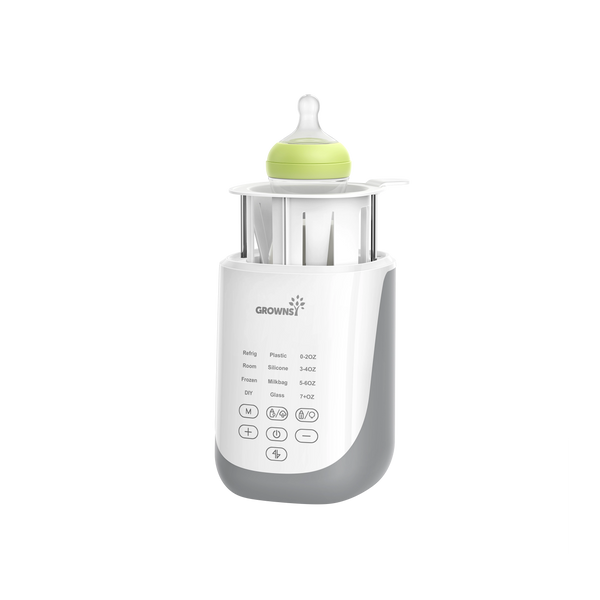
- The GROWNSY 10-in-1 Fast Baby Bottle Warmer with Night Light is a handy addition to your household during the transition weeks when night sleep is disturbed. It runs quietly, has a soft night light built in and warms up quickly with no fuss when those middle of the night wake-ups happen.

Disclaimer
This article is intended for general information purposes only and does not constitute medical advice. Sleep needs vary between children. Always consult your pediatrician if you have specific concerns about your baby's sleep, health, or development.
Related Articles:
1. All You Need to Know About 3-Month-Old Sleep Schedule
2. 10-Month-Old Sleep Schedule: The Complete Parent's Guide
3. The Ultimate Guide to 8 Month Sleep Schedule
4. Baby Sleeps with Mouth Open


