


Starting your baby on solid foods is an exciting milestone, but it also brings a big question: how will you prepare those tiny meals? Many parents find themselves torn between buying a specialized appliance or sticking with what they already have. The choice between a dedicated baby food maker and a standard blender often comes down to your lifestyle, kitchen space, and cooking habits.
This guide explores the pros and cons of each, helping you decide which tool will make your journey into homemade baby meals smoother and more enjoyable.
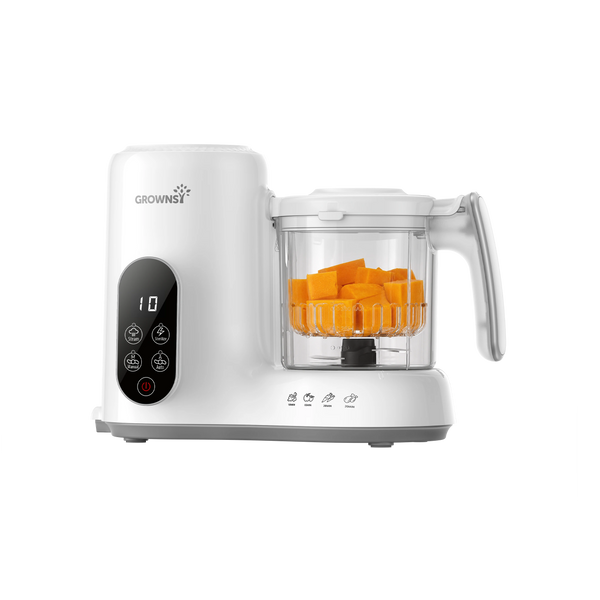
Baby Food Maker vs. Traditional Blender: What Each Appliance Does
A baby food puree maker is typically an all-in-one device designed specifically for infant nutrition. Its primary superpower is the ability to both steam and blend food in the same container. You chop your raw vegetables or fruits, toss them in, and the machine cooks them until soft before pureeing them into a smooth consistency.

On the other hand, a traditional blender is a powerhouse for pulverizing ingredients. It relies on a high-speed motor and sharp blades to liquefy foods. However, a standard blender cannot cook. If you use one for baby food, you must first steam, boil, or roast the ingredients separately using pots and pans on the stove. Once the food is cooked and cooled slightly, you transfer it into the blender jar to achieve the desired texture.
Key Differences That Matter for Baby-Food Preparation
The biggest difference between these two appliances is the workflow. A baby food maker and steamer streamlines the process by eliminating the need for multiple pots. You don't have to transfer hot, steaming carrots from a saucepan to a blender jug, which reduces the risk of spills and burns.
Texture control is another area where they differ. Traditional blenders, especially high-powered ones, are designed to make silky smoothies. Sometimes, they can be too powerful for small batches of baby food, requiring you to make large quantities just to get the blades to catch the ingredients. Specialized makers are designed for smaller portions. They excel at creating everything from the finest first-stage purees to chunkier textures for older babies, giving you precise control over the consistency without needing to add excessive amounts of water.
When a Baby Food Maker Might Be the Better Choice
For many parents, the convenience of a dedicated device is a game-changer. It simplifies the mental load of meal prep.
For First-Time Parents
If you are new to this, the process can feel overwhelming. A dedicated machine takes the guesswork out of cooking times and water ratios. Many models have automated timers, so you don't have to stand over a boiling pot. This "set it and forget it" style allows you to play with your baby while their meal cooks safely.
For Busy Families

Time is your most valuable resource. Using a baby food maker means fewer dishes to wash. Since you steam and blend in one vessel, you aren't scrubbing a pot, a steamer basket, and a blender jug every time you feed your child. This efficiency is priceless on hectic weeknights. For even quicker options, discover our simple, no-cook puree recipes designed for parents on the go.
For Transitioning Baby Stages

Babies don't stay on smooth purees forever. A good unit allows you to pulse the food, creating a textured mash that helps your baby learn to chew. The Grownsy NutriChef Baby Food Maker is an excellent example of this versatility, offering a stress-free way to steam and blend in one step for fresh, nutrient-packed meals.
When a Traditional Blender is Enough
While specialized gadgets are wonderful, they aren't mandatory for everyone. Sometimes, the tools you already own are perfectly capable.
For Parents Who Already Own a High-Quality Blender
If you have a high-end blender sitting on your counter, it likely has more than enough power to puree sweet potatoes and peas. These machines are incredibly durable and efficient. If you don't mind the extra step of cooking the food on the stove first, your existing blender can produce incredibly smooth results that are safe for early eaters.
For Limited Space and Budget
Kitchen counter space is often at a premium. If you live in a smaller apartment or have a compact kitchen, adding another appliance might feel cluttered. Using what you have saves space. Additionally, baby food makers are an extra expense. If you are on a tight budget, allocating those funds to high-quality ingredients might be a better choice than buying a new machine.
For Minimal Baby Food Prep
Some parents opt for a mix of store-bought jars and homemade meals, or they follow Baby-Led Weaning (BLW) where purees are less central. If you only plan to make purees occasionally, a standard blender or even a simple fork-mash method might suffice. There is no need to invest in specialized gear if it will only be used once a week.
Baby Food Maker vs. Traditional Blender: How to Pick Based on Your Needs
Choosing the best baby food maker or sticking with a blender depends on your priorities. Here is a simple way to look at it: This choice complements other key baby nursery essentials you'll need for feeding and health.
- Choose a Baby Food Maker If: You value convenience above all else. If washing fewer dishes and not having to monitor boiling pots sounds appealing, this is for you. It is also the right choice if you want to make small, fresh meals daily rather than massive batches to freeze. The all-in-one nature preserves nutrients effectively by using the steaming liquid for blending.
- Choose a Traditional Blender If: You plan to "meal prep" in bulk. Blenders have larger capacities, allowing you to process a week's worth of food at once. It is also the better option if you want a multi-purpose tool that can make margaritas for you once the baby goes to sleep. If you are comfortable with a bit more cleanup and stovetop cooking, a blender is a solid, versatile workhorse.
FAQ
Can I make more than just purees in a baby food maker?
Yes! Most are versatile enough to accommodate chunky texture when it comes to feeding older infants. In fact, some parents have reported using it to steam veggies and fruits for infant finger foods and even to prepare dips for the rest of the family.
Do baby food makers destroy nutrients during cooking?
In reality, they are more effective at retaining nutrients. Since they employ cooking using steam, which is gentler than boiling, more nutrients are not lost to the liquid. In addition, the liquid used in steaming is often used to blend the pureed food.
Is it harder to clean a baby food maker compared to a blender?
Baby food processors are normally easier to clean, as fewer components are used. You only have to wash a bowl and a blade, but when it comes to a blender, a pot, a steamer basket, and a blender jug also require cleaning.
How long can I keep homemade baby food in the fridge?
Since homemade infant foods are fresh and contain no preservatives, it is best to consume them immediately. As long as it is stored inside an airtight container, it is safe to keep it inside the fridge for up to 48 hours. Alternatively, it can also be stored inside a freezer tray for up to 3 months.


