


Why Does My Baby Wake Up Screaming? 9 Common Reasons Explained
If you've ever been jolted out of a dead sleep by your baby screaming at full volume, you know the kind of panic that hits before your feet even hit the floor. It's disorienting, it's exhausting and when it happens night after night it begins to feel like there must be something seriously wrong.
The good news is that most of the time, a baby waking up screaming is perfectly normal infant sleep development. The not-so-great news is that there are quite a few different reasons it can happen, and they don't all look the same or require the same response.
This guide explains the nine most common reasons a baby wakes up screaming, how to tell them apart, what to do in the moment, and when to call your pediatrician.

Is It Normal for Babies to Wake Up Screaming?
Yes, and it happens more often than most mothers think it can. When they wake up, a baby wakes up screaming for many reasons, including hunger, gas, changes in sleep cycles, and developmental leaps. Some episodes run 30 seconds. Some leave you sitting on the floor at 3AM wondering what just happened.
The important thing is to know right from the start that screaming in or out of sleep is a way of communicating and not a sign that there is something seriously wrong. That said, not all screaming is created equal, and if you can figure out what's causing it, you can respond in a way that makes a real difference.
How Baby Sleep Cycles Trigger Night Screaming
Light Sleep vs. Deep Sleep Transitions in Infants
Baby sleep cycles are much shorter than adult ones, lasting 40 to 60 minutes on average, according to Pampers, versus around 90 minutes for adults. Babies also spend a much larger proportion of each cycle in light, active (REM) sleep, which means they wake up frequently throughout the night.
Why Screaming Happens at the End of a Sleep Cycle
Whenever a baby completes a sleep cycle, they wake up briefly. Adults do this too but slip back off without realising. Young babies, in particular, often can't resettle themselves at that transition point. If the conditions they fell asleep in are gone when they wake up, they suddenly let out a shrill scream.
Overtiredness and the Stress Hormone Loop
So when a baby misses their sleep window, their body releases cortisol to compensate. This throws melatonin and adenosine out of sync, explains Smart Sleep Coach, so the baby is both exhausted and wired.
An overtired baby falls asleep hard and wakes up screaming because their nervous system is still on. This is one of the most common reasons a baby wakes up screaming at night.
Causes of Baby Waking Up Screaming
1. Hunger and Feeding Disruptions
The first thing to get rid of is hunger, especially in the first six months. Babies have small stomachs, so they need to eat every two to three hours. Even older babies going through growth spurts can suddenly wake up hungry after weeks of sleeping through the night.
2. Gas and Digestive Discomfort
Gas pain is very uncomfortable for a baby with a digestive system that is still maturing. If your baby wakes up screaming and pulls their knees to their chest, or arches their back, chances are they have trapped gas. Gentle bicycle leg movements and thorough winding after feeds can help.
3. Teething Pain
Teething typically begins between 4 and 7 months and tends to feel worse at night when there are fewer distractions. A teething baby will usually drool heavily and chew on anything nearby during the day too. HealthyChildren.org recommends chilled teething rings and gentle gum massage to ease the discomfort.
4. Uncomfortable Sleep Environment
Most parents don't realize how important room temperature, light and noise are. The AAP recommends a sleep environment between 68 and 72 degrees Fahrenheit. If the room is too warm, too bright at sunrise, or too noisy, it can suddenly wake a baby from sleep, and cause them to erupt into a fit of screaming for no apparent reason.
5. Illness and Physical Pain
Ear infections are a frequent offender because the pressure in the ear canal goes up when you lie down. If your baby is crying more than usual and has a fever, pulling on their ears, or changes in feeding, it's worth calling your pediatrician.
6. Separation Anxiety
Separation anxiety can also strike in the latter part of the first year, and this can be a major sleep disruptor. Once a baby understands that you exist even when they can't see you, waking alone in a dark room becomes distressing. Peaks typically occur around 8 to 10 months and again around 14 to 18 months.
7. Sleep Regressions
Sleep regressions are temporary phases when a baby who was sleeping well suddenly starts waking and screaming again. These are often concentrated around developmental windows at 4 months, 8--10 months and 12--18 months. They are not a symptom of bad habits. They are a sign that the brain is working hard.
8. Growth Spurts
When babies are going through growth spurts they tend to sleep more deeply, but may wake more often as they are hungrier and more physically restless. Common windows are 2 to 3 weeks, 6 weeks, 3 months and 6 months, but every baby is different.

Night Terrors vs. Nightmares vs. Confusional Arousals
Signs Your Baby Is Screaming But Still Asleep
A baby having a night terror or confusional arousal can appear completely awake. Eyes open, screaming loudly, and yet they won't respond to their name or be comforted by being held. If your baby wakes up screaming and seems to look right through you, they may not actually be awake at all.
Night Terror: Symptoms and What Not to Do
According to KidsHealth (Nemours), a night terror is an overexcited fight-or-flight response that is a partial arousal from non-REM sleep. The child screams, thrashes, and is inconsolable.
Night terrors usually happen two to three hours after falling asleep and are far more common after age 3. The most important thing to know: do not attempt to wake the child.
Attempting to wake them usually increases agitation. Sit nearby, keep them safe, and wait it out.
Nightmare: When It Starts and How It Differs
Nightmares happen during REM sleep, usually in the second half of the night, and the child wakes up fully, recognizes you, and can be comforted.
Huckleberry explains that the AAP says nightmares can begin as early as 6 months of age. Babies do know after a nightmare and often are comforted. They don't remember it after a night terror.
Screaming by Age
Newborn to 3 Months
So at this point, if a baby wakes up screaming, it's almost always because he's hungry, gassy or needs to be held. Sleep cycles are only 30-50 minutes long and there is no circadian rhythm yet. Answer quickly, feed, burp, keep things calm and dim.
4 to 6 Months
The four-month regression occurs as the sleep architecture reorganizes. Babies who have been sleeping for long periods of time may suddenly wake up every hour or two. Teething begins for some babies, and new developmental awareness contributes to the disruption.
7 to 12 Months
This window tends to cluster with separation anxiety, teething speeding up, and all the motor milestones like crawling and pulling to stand. The brain is processing enormous amounts of new information, which increases the likelihood of a baby waking up screaming during the night.
12 Months and Beyond
Most often night screaming at this age is related to the 12 month regression, separation anxiety, molar teething or disruption in nap schedules. True night terrors cannot happen until after 18 months. If your toddler screams but doesn't seem to recognize you, that's the clearest sign of a night terror rather than a standard wake-up.
Why Babies Scream After Only 30 Minutes of Sleep
The 30--45 Minute Sleep Cycle Problem
If your baby wakes up screaming about 30-45 minutes into a nap or when they are put down for the night, you're seeing the end of a sleep cycle.
Babies go into deep sleep for about 30 minutes then light sleep transition at 45 minutes. If they can't manage to bridge that gap themselves, they get a loud wake up call.
Sleep Associations and How They Create the Screaming Pattern
A sleep association is anything your baby requires to fall asleep. If they are nursed or rocked to sleep, they will expect the same conditions every time they come up between cycles. And when those conditions are gone they scream. That's not manipulation. They woke up in a completely different situation than the one they fell asleep in.
Screaming During Naps
Nap Screaming vs. Nighttime Screaming
Nap screaming is almost always associated with a 30- to 45-minute sleep cycle. At night, stronger sleep pressure causes babies to cycle more frequently. During a short nap, they frequently only manage one cycle before waking up and screaming. Hunger, illness, and anxiety are among the other possible causes of nighttime screaming.
Signs the Nap Ended Too Soon
If your baby wakes from a nap screaming, groggy and irritable right off the bat and rubbing their eyes, the nap was over before they'd been truly rested. A happy and engaged waking baby is out. A baby who wakes up screaming and can't be easily engaged is not.

How to Soothe a Screaming Baby at Night
Immediate Response: The First 60 Seconds
Stop before you go in. Most babies who briefly scream at a sleep cycle transition will resettle themselves if given the opportunity within 30 to 60 seconds. If not, come in hush. Keep the room in darkness. Keep your voice down. Don't make any sudden movements or bright lights.
If it is a suspected night terror, sit nearby but do not touch or talk much. If it's hunger or pain, address the cause immediately and keep the interaction brief and bland so it's easy to go back to sleep.
Building Better Sleep Habits to Reduce Screaming
One of the best ways to cut down on the frequency of a baby waking up screaming is to establish a regular bedtime routine. Bath, low lights, feeding and song, same order every night. Teaches the brain that sleep is coming and helps the nervous system to calm down before you put them down.
Age-specific wake windows are just as important. An overtired baby crashes and wakes up screaming. Those windows are important to protect because it allows for healthy levels of sleep pressure and promotes more stable sleep overall at night.
If sleep associations are the cause of the pattern, then slowly adding a small amount of independent settling at bedtime, like laying your baby down drowsy but not asleep, can reduce overnight screaming by a large amount over two to four weeks.
Red Flags: When to Call the Pediatrician
Most of the night screaming is developmental and will pass with time. If your baby is also crying and has a fever, pulling on their ears, or changes in eating and the crying seems to be pain-related and you can't find out what's wrong or soothe them, then call your pediatrician.
Trust your instincts. You are the best person to understand your baby's typical behavior.
Frequently Asked Questions
Baby Wakes Up Screaming and Doesn't Recognize Me
This is characteristic of a night terror or confusional arousal. Your baby is only half awake. Don't try to wake them up. Stay cool, keep them safe, wait. They'll remember nothing by morning.
Sudden Screaming After Weeks of Good Sleep
Usually a sleep regression, developmental leap, teething or illness. With a consistent routine, one to two weeks usually gets things back on track without major schedule changes.
Night Terrors in Babies Under 12 Months
Smart Sleep Coach says real night terrors are rare before 18 months. Screaming in younger babies is much more likely to be hunger, gas, or sleep cycle transitions. If you see something strange, check with your pediatrician.
Screaming from Hunger vs. Overtiredness
Hunger screams usually occur gradually and are accompanied by rooting or sucking on hands. Overtiredness causes the baby to scream more abruptly and intensely, making it difficult to settle even after a feeding. If feeding resolves the problem quickly, it was hunger. If they are still upset after eating, look elsewhere.
Conclusion
One of the most stressful parts of early parenthood is a baby waking up screaming. But in most cases it's something you can deal with: a sleep cycle they couldn't bridge, a feed they needed, or a developmental phase temporarily rattling their sleep.
And it's knowing the cause that lets you respond well rather than just react. Most phases go by. Be consistent, protect sleep windows, and if anything seems off call your pediatrician.
Editor's Recommendation
-
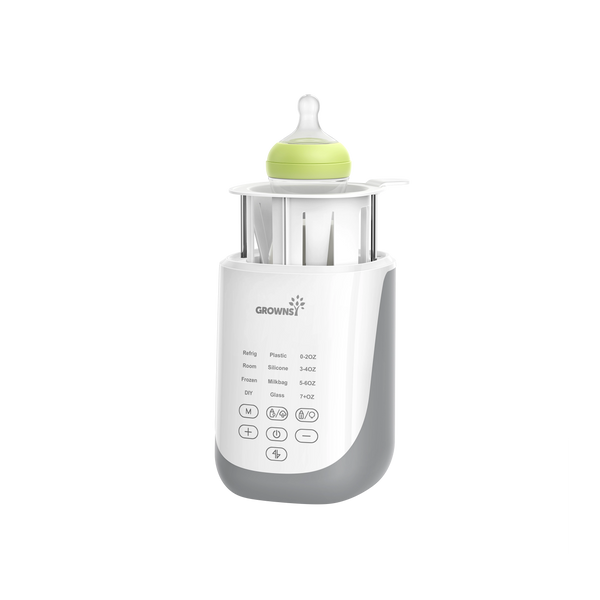
Grownsy 10-in-1 Fast Baby Bottle Warmer with Night Light is really handy for those times when your baby wakes up screaming with hunger in the middle of the night. It heats a bottle in less than three minutes, runs quietly and has a built in soft night light so you can feed without turning on overhead lights and fully waking your baby.
- For young babies who need the comfort of a soothing sleep environment to drift off, the Grownsy Baby Bedside Sleeper offers a unique sense of security, reducing startle reflexes during sleep cycle transitions.
Featured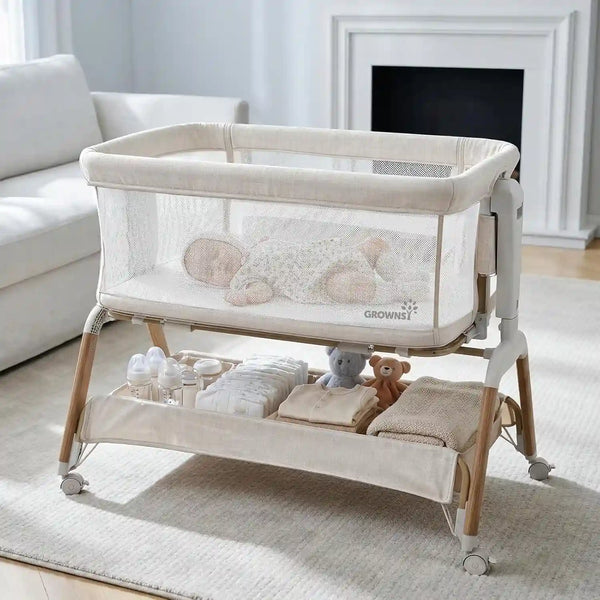 All product Baby Bassinets
Disclaimer
This article is for general informational purposes only and is not medical advice. Always consult your pediatrician if you have any concerns about your baby's sleep, health or development.


