

Table of Contents
Can Teething Cause Vomiting? What Parents Really Need to Know
Teething is a significant and exciting milestone in a baby’s life, but this phase can also come with its share of discomfort for babies and worries for parents.
Many worried parents have a lot of questions to ask in this phase, including ‘can teething cause vomiting?’ ‘Does it cause a runny nose?’ and ‘what symptoms should I look out for?’
At Grownsy, we understand how worrisome and challenging it can be to navigate this phase, so we have put together a post to answer all your questions beginning with the most basic one.

What Is Teething?
Teething is the development of baby teeth. In most cases, teething begins with the appearance of the two front teeth on the lower jaw (the pegs), before the top center teeth.
When Does Teething Start?
According to the American Dental Association, teething starts when babies are between 4 and 7 months old. After the bottom and top center teeth appear, the rest of the teeth typically appear over a two-year period. When a child is 3 years of age, they should have all 20 primary teeth.

True Teething Symptoms vs. Common Myths
Here are the true teething symptoms and common myths, according to the American Academy of Pediatrics:
- True Symptoms: Chewing, drooling, irritability, loss of appetite, crying, sleep issues, tender and swollen gums.
- Common Myths: Cough, vomiting, diarrhea, high fever, and rash are often wrongly linked to teething.
Can Teething Cause Vomiting?
Although vomiting can occur at the same time as other symptoms of teething, it is not a normal teething symptom.
Parents and caregivers have wrongly attributed vomiting to teething for a long time, but medical research says otherwise.
What Research Actually Says (AAP & Other Studies)
The American Academy of Pediatrics (AAP) says vomiting that happens at the same time as teething occurs because a baby’s passive immunity gotten from maternal antibodies starts to fade. This makes your infant more prone to illnesses, including bacteria and virus infections that can cause vomiting.
Pediatric research also found that although teething can make infants uncomfortable, it is unlikely to cause vomiting.
Similarly, another study found that symptoms like congestion, coughing, vomiting, rash, high fever, and diarrhea are not symptoms of teething.
Why Teething and Vomiting Often Happen at the Same Time
Per AAP and Pediatrics in Review research, an infant will be teething at the same time that they begin to get exposed to childhood illnesses. This is caused by decreasing passive immunity.
As a result, vomiting that occurs during this time is likely to be caused by:
- Bacterial or viral infection
- A cold
- An ear infection
- Gastroenteritis
- Food allergy
- Other stomach infections
Spitting Up vs. Vomiting: Are You Sure It's Actually Vomiting?
Many parents have gone into panic thinking their infants are vomiting, only to discover that it is just harmless spit-ups.
Before you worry about teething and vomiting, it is important to be sure that your infant is not just spitting up.
How to Tell the Difference
Simply put, vomiting is a forceful removal of the contents of your baby’s stomach, often flying out of your baby’s mouth. Spitting up is when stomach content leaks or drips from their mouth without any force.
For more information about spit-ups, read our article here (please insert link to spit up article).
For forceful vomiting, consult a doctor immediately.
Why Excess Drool Can Cause Gagging and Mild Spit-Up
When your infant is teething, saliva production is stimulated, and this can overwhelm some babies. If your infant swallows up excess saliva, it can cause gagging, mild spit-up, or even coughing. This is often the case with babies who drool during the teething process.
Can Teething Cause a Runny Nose Too?
Although teething may cause mild nasal congestion or runny nose in some babies, it is often mild and temporary. However, a serious case of a runny nose with thick mucus often signals a viral infection.
The Drool-Nose Connection
The increased drooling that accompanies teething can also irritate an infant’s nasal passages, leading to a runny nose. However, this mild symptom often passes, and can also be managed by gentle wiping or using a nasal spray.
Why Babies Get Sick More Often During Teething
Teething can weaken an infant’s immune system slightly, which makes them more susceptible to infections and illnesses. The general decline in the immune system around the same time leaves the baby prone to a number of illnesses.
What's Actually Causing the Vomiting? Real Reasons to Consider
Viral or Bacterial Infection (Gastroenteritis)
Gastroenteritis is one of the most common causes of vomiting in babies, resulting from a virus that infects and irritates the bowels. It typically resolves in a week. However, you should seek a doctor’s attention for this condition.
Food Allergy or Intolerance
When babies begin to eat different mashed versions of solid foods, they are prone to food intolerance or allergies. Some of the common intolerances that can cause vomiting include yogurt, eggs, soy, tomatoes, wheat, and strawberries. If you notice any allergic reactions, avoid repeating such meals, and speak to a doctor or nutritionist.
Overuse of Teething Gels or Medications
In an attempt to soothe their infant’s discomfort, some parents often use over-the-counter teething gels or medications excessively, which can cause side effects like nausea or vomiting. Always follow the doctor’s prescriptions.
Germs from Chewing on Objects
When babies start teething, they put everything in their mouths. These toys and other objects they chew can infect them with germs or viruses if they are dirty. Ensure that all chewing toys are disinfected and germ-free.

Teething Myths Debunked
Myth: Teething Causes High Fever
Fact: According to the AAP, although teething can cause a slight rise in a baby’s temperature, this mild rise rarely reaches true fever thresholds (100°F). Medical guidelines hold that a fever is a sign of an underlying infection that should not be ignored.
Myth: Teething Causes Diarrhea
Fact: The AAP and several National Health Institutes state that teething does not directly cause diarrhea. They attribute diarrhea during teething to a coincidence occasioned by weakened immunity, exposure to germs, or the introduction of solid food.
Myth: Projectile Vomiting Is a Teething Symptom
Fact: The AAP, backed by extensive pediatric studies make it clear that there is no proven link between teething and vomiting. According to the AAP, frequent projectile vomiting might be a symptom of Hypertrophic Pyloric Stenosis, which is the narrowing of the exit valve of a baby’s stomach. This condition requires corrective surgery.
Myth: Teething Makes Babies Seriously Ill
Fact: the National Institutes of Health and the APP explain that serious illnesses might overlap with teething timeline, which has caused a lot of parents to blame teething for these illnesses. However, a lot of these illnesses are caused by infections, contaminated food and water, poor sanitation, or even meningitis.
Persistent symptoms such as severe crying, high fever, diarrhea, dehydration, persistent coughing, vomiting, or body rashes can be signs of severe health issues that need immediate medical attention.
How to Soothe a Teething Baby (Safe, Effective Methods)
Beyond teething and vomiting, here’s how to soothe the discomfort of your infant during teething.
Managing Runny Nose and Drool Rash
Clean up runny nose and excess drool from mouth and chin to avoid skin irritation. Treat drool rash by applying prescribed ointment or cream.
Gum Massage and Cold Compresses
Use a clean finger or a soft gauze pad to gently rub your baby’s gums to ease discomfort and tenderness.
Teething Toys and Rings
Get teething rings to help your baby chew safely. This can ease their discomfort and distract them from pain.
Apply a cold teething ring or compress to the gums, but never frozen ones.
When to Consult a Doctor
If your infant displays any of these symptoms, consult your doctor:
- Teething and vomiting that persists for over 12 hours
- Extremely forceful vomiting
- High levels of distress
- High fever (over 100°F)
- Severe diarrhea
- Unusual tiredness and lethargy
- Other teething discomfort that lasts more than 5 days
Conclusion
Now that we’ve answered one of the most-asked questions, ‘can teething cause vomiting?’ bear in mind that teething problems often pass on their own. They can also be managed and eased with basic actions.
Don’t allow myths about teething symptoms worry you. Instead, learn to differentiate between symptoms of teething and other illnesses.
Trust your parental instincts and don’t hesitate to contact a pediatrician when you notice worrisome symptoms.
Before long, your baby will be sporting their beautiful set of teeth and the discomfort will be a thing of the past.
Editor's Recommendation
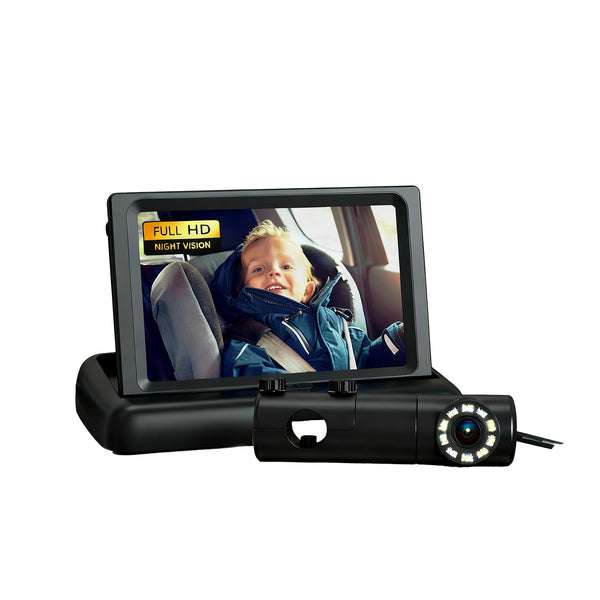
Grownsy Baby Monitor
Whether you’re managing only teething discomfort or a teething and vomiting infant, it is important to monitor your baby closely to notice changes in real time.
We recommend the Grownsy Baby Monitor/Camera to help keep your eyes on your infant and spot even the easy-to-miss cues.
The Grownsy Baby Monitor has a high-definition screen, and infrared night vision that allows you to notice signs of discomfort, spit up, or vomiting even when you’re not in the same room as your baby.
Grownsy Bottle Warmer
We also recommend the Grownsy 8-in-1 Fast Baby Bottle Warmer or the more advanced 10-in-1 auto-lift baby warmer to support feeding at the right temperature.
If your baby is dealing with an irritated stomach, cold milk or formula can worsen the situation. The Grownsy Bottle Warmer uses its precise temperature control to heat your baby’s meal to the right temperature in less than 3 minutes.
Together, the Grownsy Baby Monitor and Bottle Warmer help you to comfortably manage feeding and your infant’s teething symptoms without being under pressure.

FAQs
Can teething directly cause vomiting?
No. Medical studies and the American Academy of Pediatrics state that vomiting is not a normal teething symptom. Vomiting during teething is often caused by infections or other illnesses happening at the same time.
Can excess drool make babies gag or spit up?
Yes. Increased saliva during teething can sometimes cause gagging, coughing, or mild spit-up, especially in babies who drool heavily.
Does teething cause fever and diarrhea?
Teething may slightly raise body temperature, but high fever and severe diarrhea are not normal teething symptoms and may signal an illness or infection.
When should I call a doctor?
Seek medical attention if your baby has forceful vomiting, vomiting lasting over 12 hours, high fever, dehydration, lethargy, or severe diarrhea.
Disclaimer: This article is strictly for informative purposes only. Please ensure to consult a doctor or other medical professionals for diagnosis and treatment.