


Essential Tips for a 13-Month-Old Sleep Schedule
There will be many milestones your baby achieves as they grow from an infant into a toddler. Once they’re 13 months of age, they’re often going to start walking by themselves, talk more, explore, and become more independent from you.
Although all these changes will be exciting, there will be an unintended consequence they will have. What was once a predictable sleep schedule won’t be so predictable anymore.
In this guide, we will provide essential tips for a 13 month old sleep schedule, review different milestones around waking/nap transitions, as well as how to deal with all your child’s nighttime awakening episodes.

How Much Sleep Does a 13-Month-Old Need?
Each child is different in terms of how much they sleep; however, health professionals agree on the general range of hours that are required for normal growth and development. According to the American Academy of Pediatrics, a child who is between 1 and 2 years of age requires approximately 11—14 hours of sleep per day on average.
Total Sleep in 24 Hours: Nighttime and Daytime Breakdown
Most 13-month-old toddlers will get all of this sleep based on a long night of sleep and one or more naps during the day.
- Nighttime Sleep: 10–12 hours.
- Daytime Sleep: 2–3 hours (total across all naps).
How Much Nighttime Sleep Should Your Toddler Get?
A 13-month-old baby should have a nighttime sleep pattern that is "consolidated." Deep sleep is essential for the release of growth hormones to help support physical development and is also critical for building a child’s immune system.
If your 13 month old sleep schedule is less than 10 hours then they are likely to have difficulty with emotional regulation and concentration when they are awake.
Is Your Little One Getting Enough Sleep? Signs to Watch For
Here are some signs that you should look for in order to determine if your child is getting enough sleep:
- Very frequent and very intense temper tantrums that seem impossible to console.
- Rubbing of the eyes and pulling of the ears shortly after waking up from a nap.
- Increased clumsiness or an increase in falls.
- Falling asleep during quick car rides or in the highchair.
- Hyperactivity, often misinterpreted as “not tired”; rather, it is actually a sign of an overtired “second wind.”
Wake Windows for a 13-Month-Old
The key to establishing a successful 13 month old sleep schedule is using “wake windows,” which are how long your child has been awake between naps.
As your baby becomes more physically able to do things for themselves, such as walking, they will be able to increase their time spent awake between each of their sleep cycles.
How Long Are Wake Windows at This Age?
For the majority of 13-month-old children, there are typically 3-4.5 hours of purposeful awake time.
- Twice/day naps: First wake windows may look like 3 / 3.5 / 4.
- One/day nap: First wake windows may look like 5 / 5.
Why the First Wake Window of the Day Is Shorter
Your child may fall asleep for the day as soon as three hours after they've had their first nap of the day, but they may be able to stay up for nearly five hours before bedtime. This has to do with sleep pressure.

What Happens When Wake Windows Are Too Short or Too Long
If you are incorrect with the timing of your child's naps, you could encounter an awful "nap battle."
- Not Enough Sleep: Your toddler has not been active until being put into the crib for approximately 45 minutes before they are close to napping; your toddler may choose to instead play "non-stop" until they fall asleep.
- Too Much Sleep: Your toddler has become overtired from the overabundance of nap time and has elevated levels of Adrenaline & Cortisol from being awake longer than they should have been.
Sample 13-Month-Old Sleep Schedule
For many toddlers, development will allow them to continue to take 2 naps, or they will progress to just one big nap.
Sample Schedule for Babies' 2nd Nap
- 7:00 AM: Wake up
- 10:00 AM – 11:15 AM: Nap 1
- 2:45 PM – 4:00 PM: Nap 2
- 8:00 PM: Bedtime
Sample Schedule for Babies Transitioning to One Nap
- 7:00 AM: Wake up
- 12:00 PM – 2:30 PM: Mid-day Nap
- 7:00 PM: Bedtime
When Should Your Child Sleep?
The optimal time for children to sleep is typically within the range of 7:00 PM and 8:00 PM, but may differ if they haven’t had enough rest during the day, in which case they could be laid down at 6:30 PM if possible.
Why Is My 13-Month-Old Fighting Sleep, and Is It a Regression?
If your previously good-sleeping child is now having a meltdown upon seeing their sleep sack, you likely are experiencing a sleep regression. Generally, at 13 months old, this is not due to a permanent need for sleep but more so due to developmental milestones.
Learning to Walk: Why New Motor Skills Disrupt Sleep
At 13 months, your child has developed a social skill that is new and exciting, which is walking. As your toddler learns new things or develops new skills, they will want to do those things all the time, including during the early morning hours when they would rather be sleeping. Some examples of this are standing up in their crib or pacing.
Teething, Illness, and Other Temporary Triggers
Some causes of sleeplessness are teething, illness, and many other factors that will affect sleeping patterns.
Many children who attend daycare or child care are exposed to more germs, which can also cause congestion. When a child is congested, it can affect their ability to get quality sleep due to them not being able to breathe easily while they are sleeping.

How Can I Help My Child to Sleep All Night Long?
If your child is still waking up during the night and he/she is over the age of one year, you may want to consider these other options:
Night Wakings vs. Hunger
Many kids will sleep longer than eleven hours without needing anything to eat overnight. If you feel that your child has not eaten enough in one day, the frequent waking through the night is probably due in part to a lack of nutrition.
Why Early Morning Wake-Ups Are So Common
The bane of existence for many parents is getting up at 5:00 AM each day. Many times, you are very sleepy, and sleep is also usually very light before the early morning arrives. Make sure your child's room is completely dark! Check if an afternoon nap is occurring too late in the day.
The Daycare Nap Problem: When Your Schedule and Theirs Don't Match
After 12 months, many daycare facilities will transition all children into one daytime nap. After your child is 13 months old and transitions into one daytime nap at daycare, they may come home from daycare extremely tired and unable to take a second nap.
The 2-to-1 Nap Transition: Is Your Baby Ready?
This is one of the most challenging transitions in the first two years.
Signs Your Little One Is Ready to Drop the Second Nap
- For over 10-14 days, they continually reject the afternoon nap.
- As the morning nap continues to extend longer and longer, it creates a situation where an afternoon nap will no longer be possible.
- After several months of being well-rested through the night, there appears to be an increase in nighttime awakenings and/or early morning awakenings.
Signs It's Too Early — and What to Do Instead
If your child shows moodiness before lunchtime on a Monday after a weekend of one-time try-naps, they may not yet be ready to transition. Consider trying to limit their morning nap to around 30-45 minutes to provide them with enough "sleep drive" prior to beginning an afternoon nap.
How to Handle Nap Refusal Without Rushing the Transition
If they do resist a nap, try using the “quiet time” strategy. Place them in their crib with a couple of safe books for 45 minutes. Even if the child does not sleep, the physical rest and lack of stimulus will assist their brain in regenerating.
How to Build a Bedtime Routine That Actually Works
A predictable routine signals to the brain that it’s time to wind down and produce melatonin.
A Simple Bedtime Routine for Toddlers
- Bath: A warm bath lowers body temperature & helps signal bedtime.
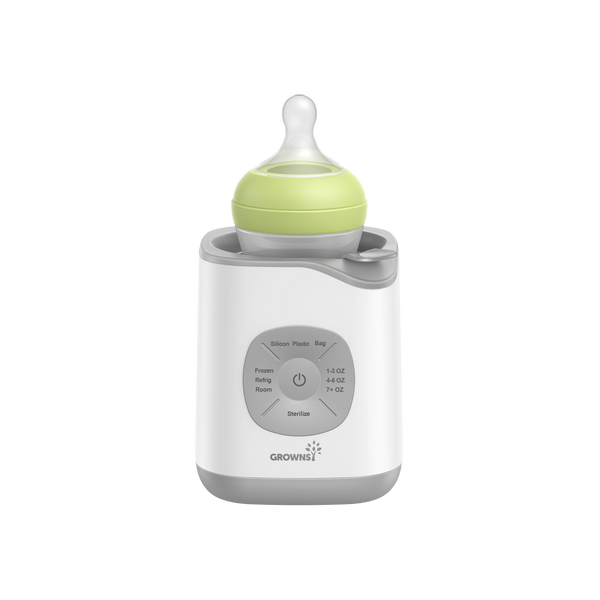
- Pajamas & Last Feeding: For many, a warm bottle or cup of milk is part of using a Grownsy Bottle Warmer ensures the milk is the perfect, soothing temperature every time, without the risk of hot spots.
- Reading: Choose two short books.
- Song and Cuddle: A consistent "goodnight song."
- Into Crib: Provide a calm environment for little ones to drift off.
Tips for Coping with Your Toddler's Separation Anxiety at Bedtime
Your child will begin to realize that you are leaving the room after they are about thirteen months old. Be kind and simple when saying goodbye to them. Use the “Check-in” method to let them know that you are still in your house and will be coming back at regular intervals of approximately five to ten minutes.
How to Create a Sleep-Safe Environment
The National Sleep Foundation suggests a cool, dark, and quiet room. Use a white noise machine and blackout curtains to create a "sleep sanctuary."
How to Get Your Toddler to Sleep Through the Night
Your pediatrician can tell you exactly how many times to feed at night and when to start tapering down. If you're tracking feeding and weight gain, that conversation is worth having sooner rather than later.
How to Stop Your Baby Needing You to Fall Back Asleep
You should be gradually decreasing your involvement in your child's sleep rituals. After several nights, continue to place the baby in the crib, but instead of gradually reducing the rocking time, start moving further away from your baby's crib until eventually your baby can settle and sleep without you in the room.
Dropping Night Feedings: When and How
To ensure your baby is on track with his weight and feeding, talk to your pediatrician about the appropriate amounts of breast milk for your baby to ensure he/she is growing as expected.
Once you get the go-ahead from your doctor, start to gradually decrease the amount of formula given in the night bottle and decrease the number of times you nurse him/her every few evenings until all night feedings are eventually eliminated.

FAQs About 13-Month-Old Sleep
Is it too early for my child to begin transitioning to one nap?
Many children will transition to a full-size bed from their crib sometime between 15 and 18 months; however, it’s perfectly normal for some children to make the switch at 13 months old as long as they can stay awake for 5 hours without becoming too cranky, in which case they are most likely ready to transition.
My baby only falls asleep in our bed — how do I change this?
A consistent bedtime routine should help your child develop this habit over a period of time, from several weeks to several months. The first step in building your child’s new nightly routine is to create a consistent nightly bedtime routine for your child, which occurs in your child’s room. You can use either the Ferber method or the Chair method.
Should I let my 13-month-old cry it out?
Sleep training is your preference. You’ll find many different "gentle" methods out there. Most of the time, a "gentle" sleep training method keeps you in the same room with the baby while they cry, or not!
Building Sleep Habits That Last into Toddlerhood
As per the Mayo Clinic, there are safe and effective sleep training methods available to help your child learn to self-soothe.
If you want your child to grow into a healthy toddler with a good foundation for sleeping, you need to give your child consistent wake-up times and have a calming bedtime routine to give them their own safe environment to help them grow into their own independent little explorer, so they can learn to sleep on their own.
Editor's Recommendation
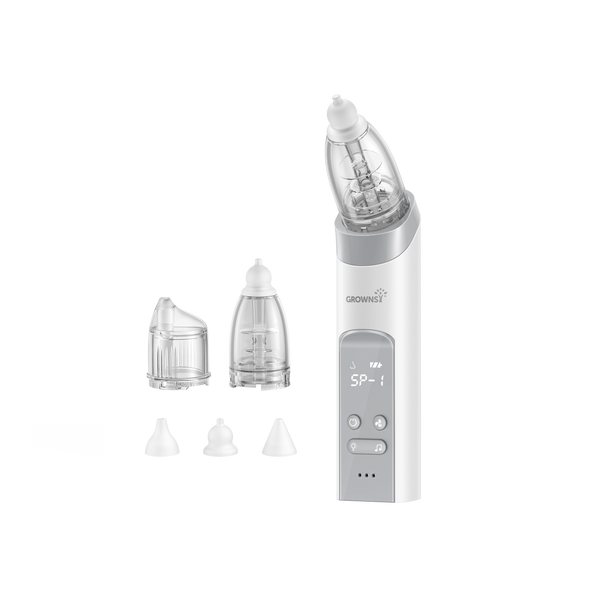
To make parenting through the 13 months easier, we suggest the Grownsy Ultimate Baby Care Set.
The Grownsy Ultimate Baby Care Set comes equipped with a Nasal Aspirator to help you clean up runny noses and a Bottle Washer to save you time with kids' dishes. These products will allow you more time to focus on your child's many happy years together!
Disclaimer
This article is being provided purely for educational and informative purposes. This information does not intend to replace any recommendations made by your doctor or a sleep expert.


