


Infant Sleeps With Eyes Open: What It Means and What to Do
Some things catch a parent's attention faster than seeing their baby asleep with their eyes partially open. If your infant sleeps with eyes open, , you might think he is awake or that something is wrong.
Fortunately, it is very common for newborns and infants to sleep with their eyes partially open. It is usually a passing stage that will pass as your baby's nervous system develops.
In this article, we'll explain why it occurs, how to distinguish between normal sleep and a potential issue, and when to reach out to your pediatrician. This can make you more confident and reassured.

Nocturnal Lagophthalmos — The Medical Name for Open-Eye Sleep
The medical term for sleeping with the eyes partially or completely open is nocturnal lagophthalmos. The condition is referred to when the eyelids do not fully close during sleep.
In adults, nocturnal lagophthalmos may be related to eyelid abnormalities, nerve issues or certain medical conditions. However, in infants it is part of normal development but sometimes signals towards immature sleep regulation.
According to pediatric sleep experts, numerous unusual sleep behaviors seen during infancy are linked to the fast neurological development that takes place during the first year of your baby’s life.
How Common Is It Among Newborns and Infants
The exact figures vary but pediatricians get open-eye sleep cases commonly in newborns and young infants.
Although exact prevalence figures vary, pediatricians regularly observe open-eye sleep in newborns and young infants. This is fairly common in the first few months when babies spend most of the sleep portion in active sleep. This stage of active sleep is similar to that of adult REM sleep. Since infant sleep patterns are still developing, as parents you may notice behaviors such as:
- Smiling during sleep
- Twitching movements
- Rapid eye movements
- Brief facial expressions
- Partially open eyes
These behaviors are usually considered normal and would most likely decrease as sleep cycles mature.
Partial vs. Fully Open Eyes During Sleep — What the Difference Looks Like
Not all open-eye sleep looks the same, there are variations in presentations. Partial open-eye sleep is the most common presentation. The eyelids remain slightly separated, and parents may see a small portion of the eye beneath.
Fully open-eye sleep is less common but can still occur. In these situations, the baby may appear awake at first glance despite being completely asleep. A sleeping infant with partially open eyes generally remains relaxed, breathes normally, and does not respond to their surroundings.
Active Sleep vs. Deep Sleep — Why Open Eyes Happen in One but Not the Other
Understanding of the infant sleep cycle will elaborate further on why an infant sleeps with eyes open. Unlike adults, babies spend much more time in active sleep. During this stage, the brain remains highly active while the body rests. It is also the period when parents are most likely to notice unusual sleep behaviors.
How Much Time Infants Spend in REM Compared to Adults
Newborns spend approximately 50% of their sleep in active or REM-like sleep, compared to around 20%–25% in adults. Research suggests that active sleep supports brain development, memory formation, and neural growth during infancy. Since active sleep is lighter and more dynamic, infants may:
- Move their arms and legs
- Make sucking motions
- Smile or frown
- Twitch
- Open their eyes slightly
As babies grow, the percentage of active sleep gradually decreases and sleep becomes more similar to adult sleep patterns.
The Quick Check — How to Tell If Your Baby Is Truly Asleep
When parents see open eyes during sleep, their first instinct is often to assume the baby is awake. A quick observation can usually provide the answer. Your baby is likely asleep if they:
- Have slow, regular breathing
- Show relaxed facial muscles
- Remain unresponsive to normal household sounds
- Do not focus or track objects visually
- Continue sleeping despite mild movement nearby
Even if the eyes appear partially open, these signs indicate your baby is still asleep.

Three Reasons Infants Sleep With Their Eyes Open
Several developmental factors can contribute to open-eye sleep during infancy. Some of these factors are mentioned below:
An Immature Nervous System and Developing Eyelid Muscle Control
The most common explanation is simple neurological immaturity. Newborns are still learning to coordinate several functions of their body. This includes the muscles that are responsible for closing the eyelids during sleep. The brain, facial nerves, and eyelid muscles are all undergoing rapid development during the first months of life.
Due to this rapid development, complete eyelid closure may not occur consistently during certain sleep stages. As neurological development progresses, the behavior typically disappears without intervention.
Genetics — Why It Runs in Families
Some families report that they see sleeping with partially open eyes happening from generation to generation. Although there is little research available on hereditary infant lagophthalmos, there is evidence that nocturnal lagophthalmos can be genetic.
Parents who kept their eyes open when they were young may be more prone to have their children do the same.In normal infants, open-eye sleep may be a normal variant if it is familial.
Rare Structural Causes That Need Medical Attention
Although it is uncommon, certain structural or neurological issues can contribute to persistent open-eye sleep. Examples include:
- Eyelid abnormalities
- Facial nerve dysfunction
- Certain neurological disorders
- Conditions affecting muscle control
These situations usually have additional symptoms, such as abnormal eye movements, feeding difficulties, developmental concerns, or visible eye irritation. If your baby shows any of these signs, a pediatric evaluation is recommended.
Practical Steps to Protect Your Infant's Eye Comfort
Most babies who sleep with their eyes open don't need treatment. However, there are a number of practical things parents can do to help protect eye comfort and keep track of the situation.
When Gently Closing the Eyelids Is a Good Idea — and How to Do It Safely
If your baby's eyes appear open and exposed for long periods, you can gently try to encourage the eyelids to close. Follow these steps to do this safely:
- Thoroughly wash hands.
- Use a clean finger to lightly touch the upper eyelid.
- Let the eyelid close on its own.
- Do not apply pressure to the eye.
If the eyelids immediately reopen, simply leave them alone and continue monitoring. There is no need to repeatedly disturb your baby's sleep.
Supporting Better Sleep Through Consistent Nighttime Routines
The most obvious signs of open-eye sleep are likely to occur during the first few months of life when babies wake often for feeding. Although a bedtime routine won't necessarily prevent open eye sleep, it can facilitate the transition between sleep cycles for babies. Some of the helpful strategies include:
- Ensuring that nighttime interactions are calm and quiet.
- Feeding with dim lights at night.
- Consistent feeding and sleeping at the same time, whenever possible.
- Quickly putting the baby back to sleep after feeding.
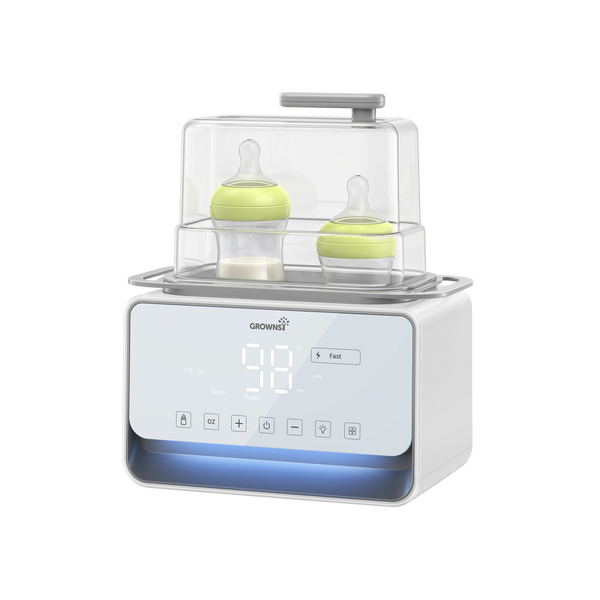
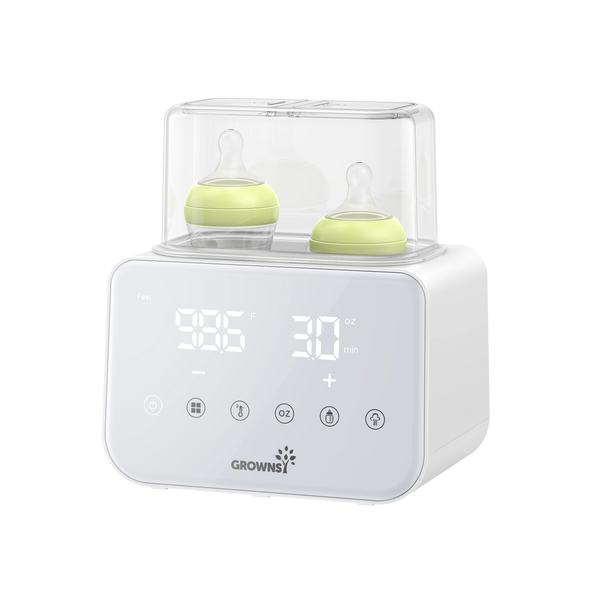
If you have more than one night feed to manage, a bottle warmer can make things easier as it will heat milk consistently and quickly. This can help to minimize the amount of time baby and parent are awake during nighttime feedings, contributing to a more peaceful sleep experience.
Adjusting the Sleep Environment to Reduce Light Exposure
Infants in active sleep are easily aroused, so minimizing environmental disturbances will help facilitate good sleep. Consider:
- Using blackout curtains
- Reducing bright lights during nighttime care.
- Keeping the room temperature at a comfortable level.
- Following safe sleep guidelines recommended by pediatric experts.
A quieter, darker setting might assist babies to move more easily between sleep states.

Signs That Indicate a Pediatrician Visit Is Needed
Open-eye sleep is typically not a problem, but some symptoms require medical attention.
Eye Redness, Dryness, or Discharge That Doesn't Resolve
If you see any of the following, call your child's doctor:
- Persistent eye redness
- Eye swelling
- Excessive tearing
- Yellow or green discharge
- Signs of irritation that continue for several days
These signs can be a symptom of infection, inflammation or over exposure of the eye while sleeping.
How to Visually Distinguish Open-Eye REM Sleep From a Seizure
Some parents are concerned that abnormal sleep postures may be a sign of a seizure. Luckily, normal active sleep and seizures typically appear very differently.
Open eye REM sleep usually contains:
- Brief twitching
- Small facial movements
- Normal breathing
- Relaxed muscles
- Easy return to normal sleep.
On the contrary, symptoms of a seizure can be:
- Repetitive rhythmic jerking
- Body stiffening
- Abnormal breathing patterns
- Eye deviation to one side
- Failure to respond following the episode
Always consult a doctor if you think a seizure may have occurred.
Timeline — When Most Infants Stop Sleeping With Eyes Open
Most babies naturally outgrow open-eye sleep as their nervous system and sleep architecture mature.
| Age | What Parents May Notice |
|---|---|
| Birth to 2 Months | Open-eye sleep is relatively common during active sleep |
| 2 to 4 Months | Episodes often become less frequent |
| 4 to 6 Months | Improved eyelid control develops |
| 6 to 12 Months | Most infants rarely sleep with eyes open |
| After 12 Months | Persistent open-eye sleep should be discussed with a pediatrician if accompanied by symptoms |
Every child develops at a different pace, so occasional variation is normal.

Frequently Asked Questions
Does sleeping with eyes open affect my infant's sleep quality?
Usually not. Most babies who do open their eyes while sleeping go on to have regular sleep patterns and normal growth. Open eye sleep does not impact sleep quality if your baby is well-rested, eats and grows as expected.
Should I wake my baby to close their eyes?
No. Most of the time, it's not necessary to wake a sleeping baby. If the eyes are very open, you can gently try to close the eyes without waking your child.
Can a newborn's eyes dry out from sleeping open?
Yes, but not very common. Minor dryness or irritation can happen if the eyes are left exposed for extended periods of time. If you see any redness, excessive tearing, discharge, or discomfort, call your pediatrician.
Conclusion
When your baby sleeps with his/her eyes open, it is typically a normal development and not a serious issue. The majority of cases are associated with active sleep, immaturity of eyelid control and the rapid neurological development that takes place during infancy. For most babies open-eye sleep improves without treatment.
The important thing is to watch your baby for any eye irritation or other symptoms that may be worrisome, but still maintain healthy sleep habits. If you have any questions, your child's doctor can offer reassurance and advice.
Editor's Recommendation
Open-eye sleep is usually first noticed in the newborn stage when parents are still feeding their babies many times a night. It's generally safe to have the eyes partially open while sleeping, but if it disrupts an infant's sleep, it can be equally disruptive for the parents.
Having a consistent nighttime routine can make it easier for babies to fall back asleep between feeds. A bottle warmer can also be helpful for families that give bottles at night, as it can help to warm the milk up quickly without having to prepare it beforehand. This reduces stimulation when parents wake their baby at night, so they can feed, comfort and put their baby back to sleep without disturbing the sleep routine of the rest of the family.
Disclaimer
This article is for informational purposes only and does not constitute medical advice. Always consult your pediatrician or healthcare provider regarding concerns about your infant's sleep, eye health, or overall development.


