Every parent wants their baby to get full nutrition, including protein and iron. If you are one of them but are afraid of safety when your little one takes a bite, you are in the right place. We are talking about Baby-Led-Weaning meatballs because they are easy to grab and soft. In addition, your baby will get all the nutrients. So, let’s check out the recipes, the right size for your little one, and safety tips.
Quick Answer
The majority of babies start eating fully cooked and soft baby meatballs once they hit the 6-month mark. You can make meatballs around 2 inches wide for a six-month-old. This size is enough to make them hold them in a fist. Once your little one reaches the nine-month mark, you can offer soft but bite-sized pieces.
When Can Babies Eat Meatballs?
Meatballs are a good first finger food because they are soft, they can be shaped to fit a small hand, and they carry iron. The Academy of Nutrition and Dietetics says most babies are ready for baby-led weaning around 6 months. Look for these signs:
- Sitting with little or no help
- Good head and neck control
- Grabbing larger objects and bringing them to the mouth
- Interest in food
If your baby was born early, use their adjusted age. Talk to your pediatrician first if your baby has developmental delays or feeding problems.
Why Meat Matters
The CDC says that when your baby starts solid foods around 6 months, it is important to offer foods with iron. It lists poultry, such as turkey, red meat, seafood, and eggs as sources of heme iron. The CDC says the body absorbs heme iron more easily than the non-heme iron found in plants. That is one reason turkey meatballs for baby are a smart first food.
Baby Meatball Recipe: Easy BLW Turkey Meatballs
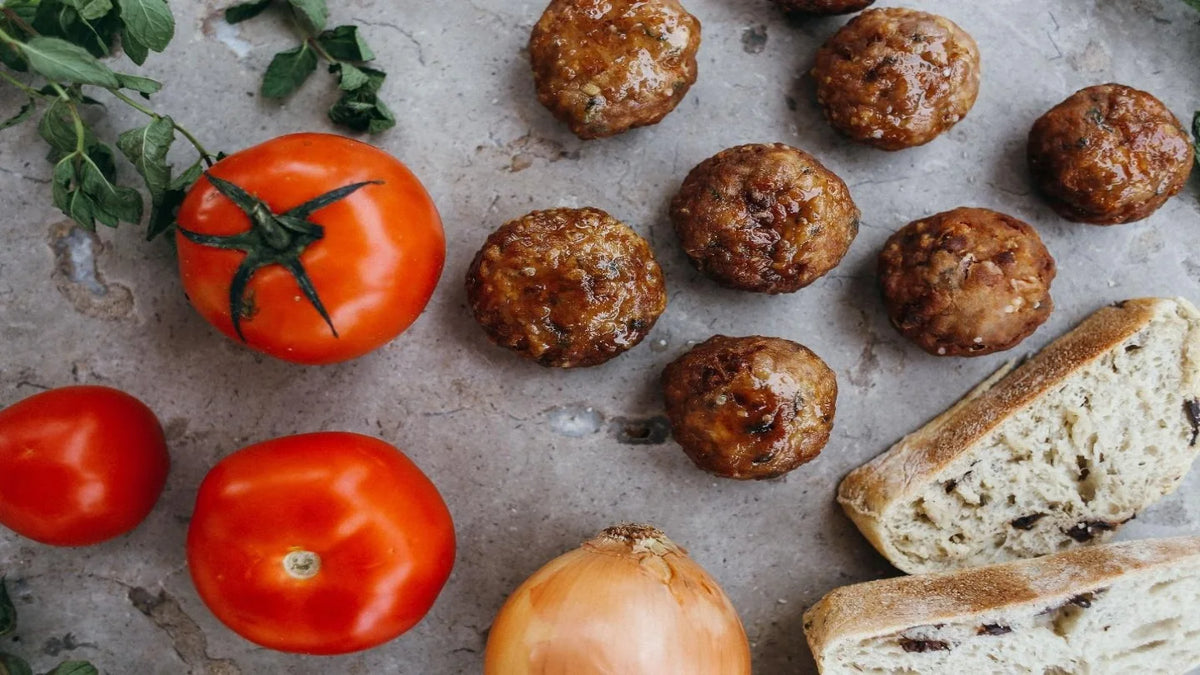
This baby turkey meatball recipe has no added salt or sugar. Sweet potato and zucchini keep the BLW turkey meatballs moist and soft. It makes about 12 large meatballs.
Ingredients
| Ingredient | Amount | Notes |
|---|---|---|
| Ground turkey | 1 pound | Dark meat or 93% lean stays moister than very lean breast meat |
| Sweet potato, cooked and mashed | 1/2 cup | Steam or bake it. If you microwave it, pierce the skin first. |
| Zucchini, finely grated | 1/2 cup | Squeeze it dry in a clean towel |
| Egg | 1 large | Helps the meatballs hold together. Egg is a common allergen. |
| Quick oats or fine breadcrumbs | 1/2 cup | Whole wheat breadcrumbs contain wheat |
| Garlic powder | 1/2 teaspoon | Make sure it has no added salt |
| Dried oregano or mild paprika | 1/2 teaspoon | Optional |
How to Make Them
- Heat the oven to 375°F. Line a baking sheet with parchment paper.
- Cook the sweet potato until very soft, then mash it. Steaming works well. Squeeze the grated zucchini dry.
- Mix everything in a bowl. Stir just until combined, because overmixing makes meatballs tough. The mix should be soft and a little sticky.
- Wet your hands and shape the mix into balls about 2 inches wide, or into logs about the length of an adult finger.
- Bake 25 to 30 minutes. Times are a guide, so go by the thermometer. The center of several meatballs should reach 165°F.
- Let them cool for 5 minutes. Break one open to check that the middle is cooked and soft enough to mash between your thumb and forefinger.
To make smaller meatballs for older babies and toddlers, shape the mix into balls about 1.5 inches wide. You will get about 28, and they bake in about 18 to 20 minutes. The USDA says ground turkey and other ground poultry must reach 165°F. If you swap in ground beef, the USDA says to cook it to 160°F.

How to Serve Baby Meatballs by Age
Size should match what your baby can do, not whether they have teeth. The Academy of Nutrition and Dietetics says that at 6 months, babies can pick up stick-shaped foods about the size of an adult pinky finger or larger. By about 9 months, most have a pincer grasp and can handle pieces about the size of a chickpea. Every baby is different.
| Age | What Baby Can Usually Do | How to Serve Meatballs |
|---|---|---|
| 6 months | Holds food in a whole-hand grip | Large soft meatballs (2 inches) or finger-shaped logs, so some sticks out of the fist |
| 7 months | Holds and brings food to the mouth | Same size. Crumble into mashed sweet potato or yogurt for spoon practice. |
| 8 months | Explores more at the tray | Large soft meatballs, plus a few crumbles to try with fingers |
| 9 months | Starts to pinch small pieces | Soft pieces about the size of a chickpea, or large whole meatballs |
| 10 to 11 months | Chews better and picks up more | Soft bite-size pieces mixed with soft veggies |
| 12 months and up | Feeds themselves and uses a spoon | Soft meatballs whole, in pieces, or mixed into pasta |
Solid Starts, a US feeding-education group, says larger meatballs (at least 2 inches) are less likely to be popped whole into the mouth. It also says that for toddlers 12 months and up, smaller meatballs are fine if they are soft and your child chews well and spits out extra food.
Meatballs for Babies 7 Months
At 7 months, your baby is still new to solids and still gets most of their nutrition from breast milk or formula. Offer one large soft meatball or a log on the tray. Keep your baby upright in a high chair and stay close. If you feel nervous about meatballs for babies at 7 months, start with crumbles. Solid Starts suggests breaking firmer meatballs into tiny crumbles and mixing them into soft foods like mashed vegetables or yogurt.
How to Serve Meatballs to a 9-Month-Old
If you are wondering how to serve meatballs to a 9-month-old, here is a simple plan:
- Check the texture. Press one between your thumb and forefinger. It should mash easily.
- Choose a shape. Offer soft pieces about the size of a chickpea, or keep offering a large whole meatball for practice.
- Place just a few pieces on the tray at a time, not a pile.
- Seat your baby upright and stay within reach for the whole meal.
- Pair the meatballs with a soft vegetable or fruit, like steamed sweet potato or mashed berries.
If your 9-month-old still grabs with a whole-hand grip, keep offering the larger size. They will let you know when they are ready for small pieces.
Are Baby Meatballs a Choking Hazard?
They can be. Solid Starts says meatballs can be small, dense, and hard to chew. The CDC says the way food is prepared can raise or lower choking risk, and that cutting food into smaller pieces and mashing it can help. The CDC also lists tough or large chunks of meat and bones among the things to prepare carefully or avoid.
| Risk | What to Do |
|---|---|
| Small, firm, dry meatballs | Make them larger and softer. Mash or crumble them into soft food for younger babies. |
| Tough or large chunks of meat | Cut small, mash, and cook until soft, according to the CDC |
| Hot dogs, sausages, and meat sticks | Avoid them. The CDC lists them as choking hazards and as high-salt processed meats. |
| Bones in meat | Avoid them |
| Eating in a car, stroller, or on the move | Don't. Keep your child upright at a table or in a high chair. |
Safe habits for every meal:
- Stay with your baby the whole time.
- Keep mealtimes calm and free of distractions.
- Learn the difference between gagging and choking, and consider an infant first aid or CPR class.
- Ask your child's doctor or nurse what to do if your child chokes.
Healthy Meatballs for Toddlers: Easy Veggie Add-Ins and Swaps
The same recipe works as a toddler meatball recipe. Make the meatballs a little larger, serve them family-style, and let your toddler pick a dip. These toddler turkey meatballs are one of the easiest healthy meatballs for toddlers because you can hide veggies in them. Here is how to make toddler meatballs with veggies:
| Swap or Add-In | How to Use It | Note |
|---|---|---|
| Ground chicken or lean beef | Swap for turkey in the same amount | Cook chicken to 165°F and beef to 160°F |
| Finely grated carrot | Use in place of the zucchini | Grate it finely so it bakes soft |
| Cooked spinach | Squeeze dry, chop fine, and add 1/4 cup | Adds a green veggie |
| Finely minced mushrooms | Cook first, then add 1/4 cup | Adds moisture |
| Mashed cooked lentils | Replace about 1/4 of the meat | The CDC says to pair plant iron sources with vitamin C foods, such as sweet potato, tomatoes, or berries |
| Mild spices | Cumin, paprika, oregano, or garlic powder | Skip salt |
The CDC says to avoid foods high in salt for young children. If the rest of your family wants salted food, take your toddler's meatballs out first, then season the rest.
Safe Dips, Sauces, and Seasonings
The CDC says children younger than 24 months should avoid added sugars, and that honey is not safe before 12 months. It also says to avoid high-salt foods. Many jarred sauces, ketchup, and barbecue sauces are high in salt or sugar, so try not to use them in the Baby-Led-Weaning recipe. Check the Nutrition Facts label.
| Safer Dips | Skip These |
|---|---|
| Plain whole-milk yogurt (if dairy is already introduced) | Ketchup, barbecue sauce, and sweet chili sauce |
| Mashed avocado | Honey glazes (not safe before 12 months) |
| Tomato puree or sauce with no added sugar and low salt | Soy sauce and teriyaki sauce |
| Mashed berries or cooked applesauce with no added sugar | Store-bought meatballs, which Solid Starts says can be high in sodium |
Tomato sauce can cause a harmless red rash around the mouth and on hands, according to Solid Starts. It is a contact rash and not an allergy.

Allergens in Baby Meatballs
Solid Starts notes that meatballs often contain egg, dairy, or wheat. Introduce each common allergen on its own first, so that if there is a reaction, you know which food caused it.
| Ingredient | Common Allergen? | What to Do |
|---|---|---|
| Egg | Yes | Make sure your baby has already tried egg |
| Breadcrumbs | Yes (wheat) | Use oats if your baby has not tried wheat. Oats may carry gluten. |
| Dairy dips or cheese | Yes | Add them only after dairy has been introduced |
Allergic reactions can show up within minutes to two hours after eating, according to the Allergy & Asthma Network. Signs include hives, vomiting, swelling, and wheezing. Call 911 right away if your baby has trouble breathing or swelling of the lips, tongue, or face. Talk to your pediatrician before offering allergens if your baby has a higher allergy risk, such as a known food allergy or severe eczema.
Easy Steamed Veggies for Your Meatballs
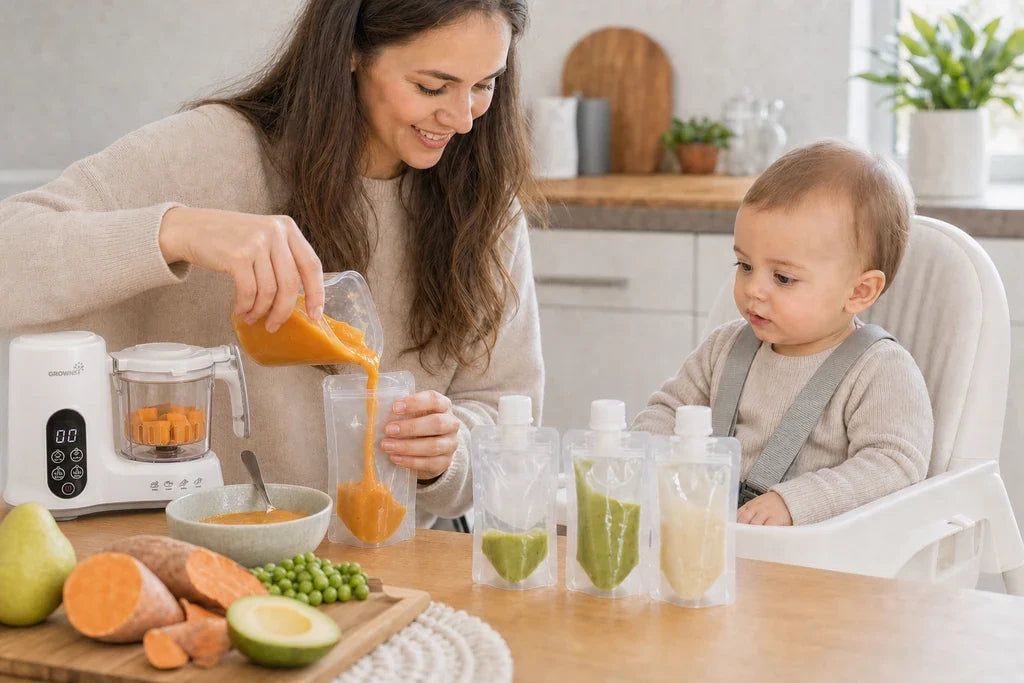
Soft veggies keep meatballs moist, and steaming is a gentle way to cook them. If you make baby food often, a steam-and-blend machine can save you a few steps.
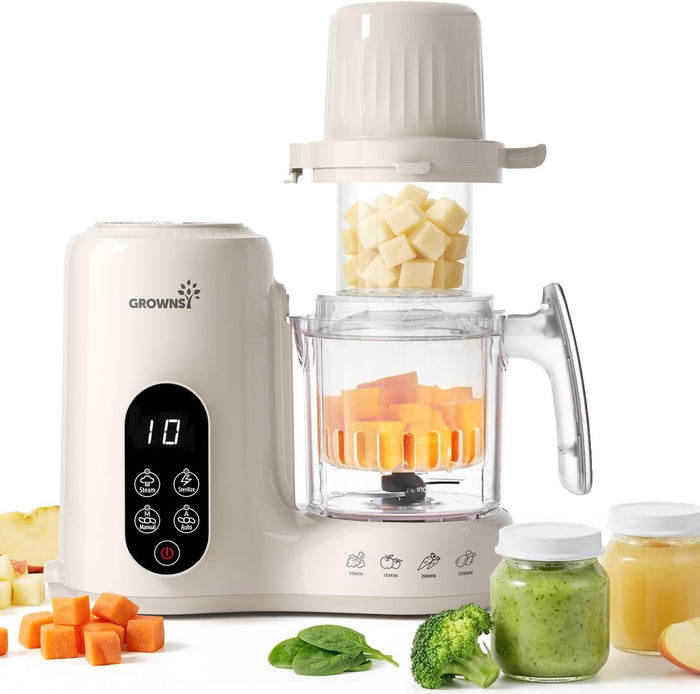
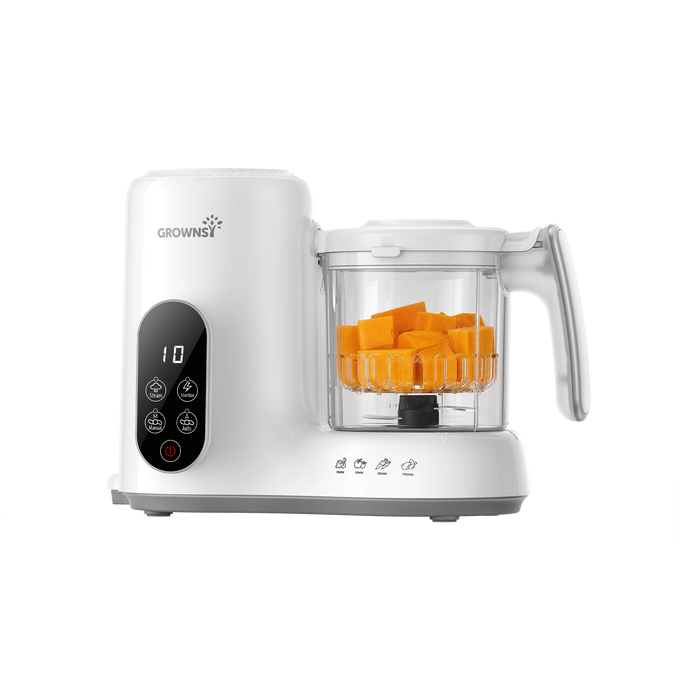
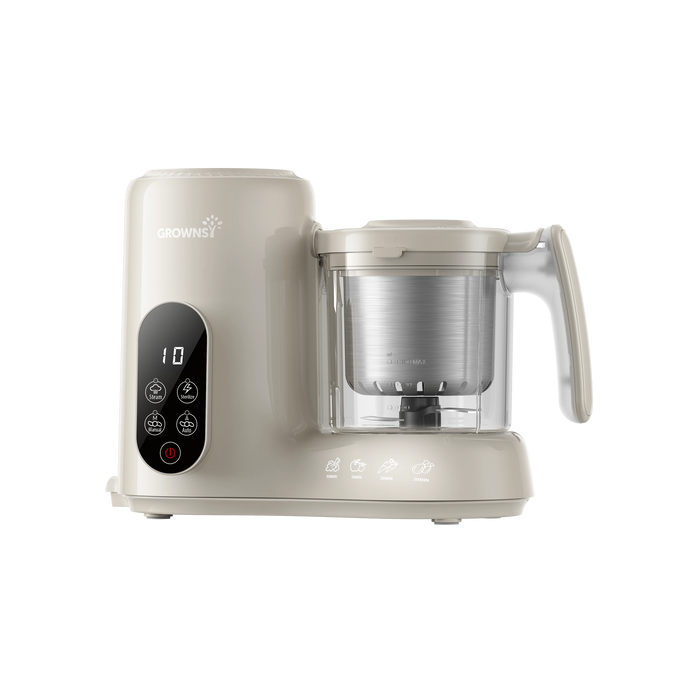
Grownsy's NutriChef Steam & Blend Baby Food Processor is designed to steam and blend in one device. It has a steam basket, so you can steam sweet potato, zucchini, or carrot, then mash or blend them to stir into the meatball mix. You can also blend a veggie dip to serve alongside. Follow the manual for water levels and amounts.
Use the machine for the veggies only. Bake the meatballs in the oven and check them with a food thermometer to be sure they reach 165°F. A machine is optional. A steamer basket and a fork work too.
Skip the pot-to-blender mess! Grownsy baby food processor steams, blends and fine-tunes puree textures with easy-clean parts. Show now!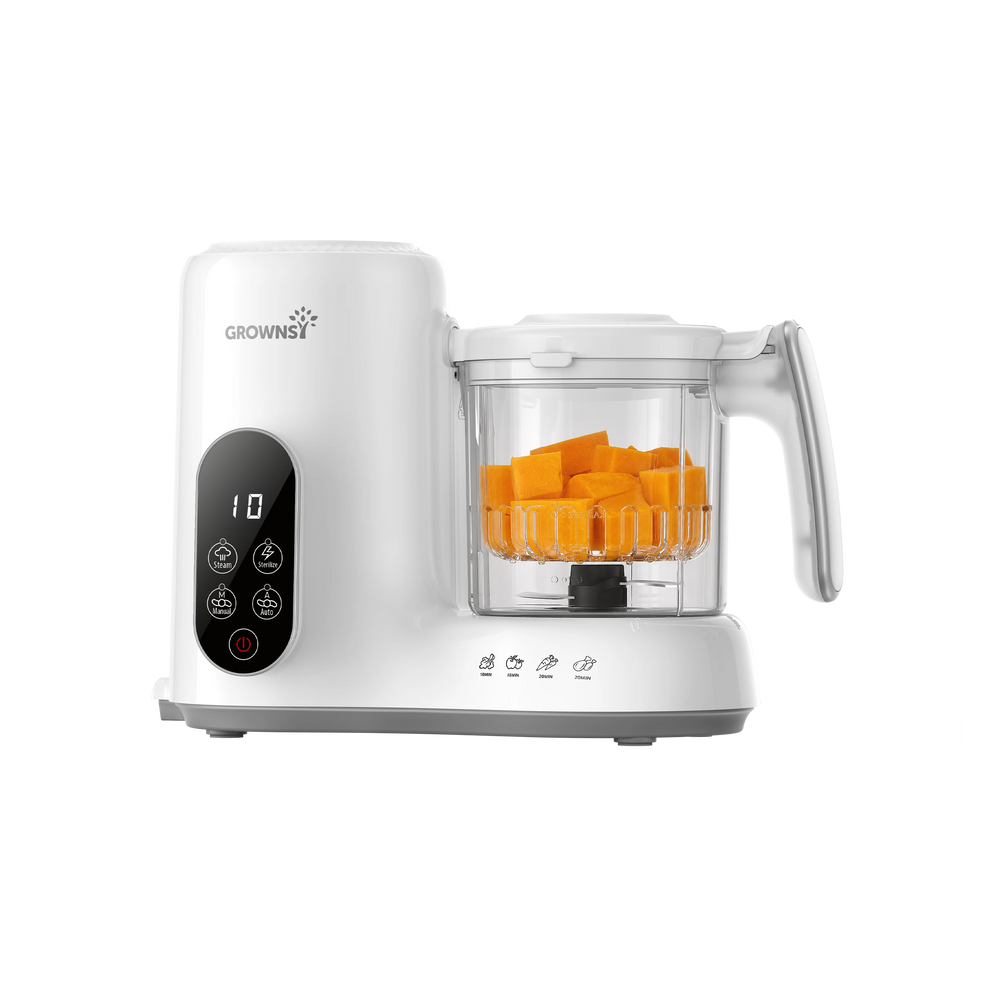
$70.19
NutriChef Steam & Blend Baby Food Processor
When to Talk to Your Pediatrician
Call your child's doctor if your baby gags often, refuses most solid foods, or seems to lose weight. Ask before starting meatballs if your baby was born early, has developmental delays or feeding problems, or has a higher allergy risk. Ask your pediatrician if your baby needs iron drops before starting solids. This is especially important if your baby is breastfed.
Conclusion
BLW meatballs are an easy way to give your baby iron, protein, and veggies in a size they can hold. Make them soft, shape them to fit your baby's age, and cook them to 165°F. Skip added salt, sugar, and honey, and stay close at every meal. As your baby grows, the same recipe becomes healthy meatballs for toddlers that the whole family can share. Every baby is different, so check with your pediatrician if your baby has any questions.
Related Articles
Editor's Recommendation