


Table of Contents
As a parent you are always in a dilemma of figuring out if your baby is drinking too much milk, too little or if it's about time to make the shift to cow’s milk. Take a breath! Changing milk needs are common concerns which don't have to be stressful.
Milk remains an important part of early childhood nutrition because your baby needs that calcium for strong bones and teeth, along with protein and other nutrients that support growth. However, as your baby grows, the type and amount of milk they need will change.[5]
Most babies start drinking pasteurized whole cow’s milk at 12 months, while breastfeeding may continue for as long as you and your child wish. The key is knowing when to make the switch, how much milk your toddler needs, and how to balance milk with solid foods so they get the nutrients they need to thrive. We will be addressing your milk related concerns in this guide.
Quick Answer: When Do Babies Stop Drinking Milk?
Most babies switch from infant formula to pasteurized whole cow’s milk at 12 months. However, they do not need to stop drinking milk altogether. You may continue breastfeeding for as long as you and your child wish. Try to transition away from bottles between 12 and 18 months so that milk becomes part of a balanced diet. Around 16 ounces of milk daily is a useful starting point for many toddlers, although individual needs vary.
Key Takeaways
- Switch to whole milk at 12 months as most babies start drinking pasteurized whole cow’s milk as their main milk drink after their first birthday. Stick to breast milk or infant formula before 12 months.
- There is no need to stop breastfeeding at age 1 or 2. You and your child may continue for as long as you wish.
- Around 16 ounces of milk per day is a useful starting point for many toddlers. Avoid excessive milk intake as it will reduce appetite for iron-rich foods.
- Whole milk is generally recommended until age 2. After that, many children switch to 2% milk, depending on their nutritional needs and pediatrician’s advice.
- Children who do not drink cow’s milk still meet their nutritional needs with suitable alternatives and a balanced diet.
When Do Babies Stop Drinking Milk?
It's not like babies suddenly stop drinking milk at a particular age, their milk needs change as they grow. Here is how the transition generally works:
- Birth to 6 months: Breast milk or infant formula provides the nutrition your baby needs. Exclusive breastfeeding is recommended for about the first 6 months when possible. [7]
- 6–12 months: Continue breastfeeding or offering infant formula while introducing age-appropriate solid foods.
- 12–24 months: Most babies transition from formula to pasteurized whole cow’s milk, alongside regular meals and snacks. Breastfeeding may continue if you and your child wish.
- After 2 years: Children continue drinking milk as part of a balanced diet. Their need for whole milk versus reduced-fat milk depends on their individual nutritional needs.
Note: These are general guidelines, not deadlines. Your baby’s growth, feeding skills, appetite, and medical needs also matter. [1], [2]
How to Know When Your Baby Is Ready to Wean

Every child approaches weaning differently. Some gradually lose interest in breastfeeding as they eat more solid foods, while others continue nursing for comfort and closeness. Recognizing your baby's cues and making gradual changes is key to helping you navigate this transition more comfortably.
Signs Your Baby May Be Ready for a Feeding Transition
Your baby’s readiness for a feeding transition depends on what you are planning to change. If you are thinking about stopping formula, remember that babies generally need breast milk or infant formula until 12 months.
Your baby may not be ready to transition to cow’s milk if they are younger than 12 months, are not yet taking enough solid foods to support their nutritional needs, or still rely heavily on formula for nourishment.
If you are introducing solids, look for signs such as your baby showing interest in the foods on your plate, opening their mouth when food is offered, or watching and mimicking your chewing movements. Reaching for a spoon or showing interest in a bottle or straw cup may also signal curiosity about new ways of eating and drinking.
However, these signs don’t mean your baby is ready to stop breastfeeding or formula. Breastfeeding, weaning, transitioning from formula to cow’s milk, and moving from a bottle to a cup are three different milestones, and each happens on its own timeline. Keep close tabs on your baby’s developmental cues and nutritional needs rather than rushing to stop milk feeds.
How to Wean Your Baby Gradually
To make weaning easier, drop one breastfeeding session at a time and allow several days or longer for both you and your baby to adjust. You might start with a daytime feed and keep the bedtime feed for last as it usually provides comfort.
Gradually reducing night feeds help your baby move toward a healthier bedtime routine as they grow. Once teeth appear, frequent or prolonged exposure to milk during sleep may increase the risk of tooth decay, particularly if milk pools around the teeth.
Protip: After your baby’s first tooth emerges, begin brushing twice daily with an age-appropriate amount of fluoride toothpaste.
If your baby needs comfort at bedtime, try cuddling, gentle rocking, or offering a pacifier instead of automatically getting another feed. Avoid putting your baby to bed with a bottle of milk or formula.
Tips to Make Weaning Easier
Changing feeding habits takes time, and your baby may not accept every new cup, food, or routine right away. Instead of changing everything at once, try small steps that help your little one feel comfortable while still getting the nutrition they need.
| If your baby… | Try this practical tip |
|---|---|
| Refuses a cup | Offer small sips of water in an open cup or straw cup with meals. Let your baby practice without pressure, and expect some spills at first. |
| Struggles with new food textures | Start with soft, smooth purees and gradually make them thicker as your baby becomes comfortable. Use prepared formula to thin a puree if needed, following safe preparation instructions. |
| Gags or hesitates when trying solids | Stay calm and offer age-appropriate textures in small amounts. Gagging happens when babies are learning to eat, but choking is different. Keep your baby upright and supervised. |
| Wants to chew on everything | Offer a clean, age-appropriate teether that is too large to swallow and has no detachable parts. |
| Wants to nurse for comfort | Try cuddling, gentle rocking, singing, or reading a short story. If your baby is hungry, continue to offer the breast or their age-appropriate milk rather than distracting them from a needed feed. |
| Wakes for a bottle at night | Gradually adjust the bedtime routine with cuddles, a story, or another soothing activity. |
| Gets upset when a feed is dropped | Reduce one feed at a time and give your baby several days, or longer if needed, to adjust before changing another. |
It's absolutely normal if your baby resists these changes, stay patient. Weaning is a gradual process, and your child may need time to adjust emotionally as well as physically. [6]
What Should Your Baby Eat During Weaning?
The adjustment to milk changes is defined by your baby’s age. If you decide to stop breastfeeding before your baby's first birthday, use infant formula rather than cow's milk as the main drink. Start introducing age-appropriate baby-led weaning foods around the 6 months milestone while continuing breast milk or formula. Allow babies to explore and feed themselves appropriate solid foods.
Did you know? Cow’s milk is not recommended for infants as a primary drink since their tiny bodies cannot digest it properly and places a heavy strain on their development. [8]
After 12 months, most children transition to pasteurized whole cow's milk alongside a balanced diet. As solid foods become a bigger part of your baby's diet, include iron-rich options such as meat, lentils, beans, eggs, and iron-fortified cereals.
When Can Babies Drink Whole Milk?

Babies usually start drinking pasteurized whole cow’s milk as their main milk drink at 12 months old. Before their first birthday, breast milk or infant formula should remain their primary milk source.
Cow’s milk does not contain the right balance of nutrients for babies under 12 months. It has more protein and minerals than infants need, does not provide enough iron, and may increase the risk of intestinal bleeding in young infants. [1] After 12 months, whole milk helps provide calcium, vitamin D, protein, and fat. Choose plain, pasteurized milk without added sugar.
How to Safely Transition Your Baby to Cow’s Milk: A 4-Week Plan
Switching from formula to cow’s milk takes some getting used to. Your baby may need time to accept the new taste, adjust to a cup, or settle into a different feeding routine, it does not happen overnight. Start around 12 months and gradually replace formula feeds with whole cow’s milk while keeping meals and snacks balanced. Here is what you can do:
| Week | What to Do | Helpful Tip |
|---|---|---|
| Week 1: Introduce the taste | Offer a small serving of whole cow’s milk alongside a meal while continuing your baby’s usual formula feeds. | Serve the milk in a cup and let your baby explore the new taste without pressure. |
| Week 2: Replace one feed | Replace one formula feeding with whole milk in a cup. Keep other feeds unchanged for now. | Choose a time when your baby is relaxed and not extremely hungry or tired. |
| Week 3: Gradually replace more feeds | If your baby is accepting the change, replace another formula feed with whole milk. | Offer milk alongside familiar foods, such as oatmeal, eggs, or soft fruit, to make mealtimes more comfortable. |
| Week 4: Continue the transition | Gradually replace the remaining formula feeds as your toddler adjusts, aiming to make whole milk part of a balanced diet. | Follow your child’s appetite and avoid pressuring them to finish every cup. |
Note: This is a flexible example, not a medically required schedule. Some children adjust within a few days, while others need longer.
What If Your Baby Refuses Cow’s Milk or Has a Sensitive Tummy?
A little patience and a few small adjustments make the transition easier. Here is what you may try:
- Try a different temperature: If your baby prefers warm formula, offer the cow’s milk at a similar temperature.
- Try a straw cup or open cup: Your toddler may be more interested in practicing a new drinking skill than using a familiar bottle. Offer small amounts and expect spills while they learn.
- Pair milk with familiar foods: Offer it with meals or snacks your child already enjoys instead of introducing several unfamiliar foods at once.
- Avoid forcing the change: If your toddler refuses milk, continue offering a balanced diet that includes other calcium-rich foods, such as plain yogurt and cheese.
- Watch for symptoms: Persistent diarrhea, vomiting, a significant change in stools, or other concerning symptoms after introducing cow’s milk deserve a conversation with your child’s healthcare professional.

What Does a Balanced Toddler Diet Look Like?
Milk should complement meals, not replace them. Offer a variety of foods, including:
- Iron-rich foods: Meat, beans, lentils, eggs, and iron-fortified cereals.
- Fruits and vegetables: Soft, age-appropriate pieces of different colors and textures.
- Whole grains: Oatmeal, whole-wheat toast, and other suitable grains.
- Dairy foods: Plain yogurt, pasteurized cheese, and milk.
- Protein and healthy fats: Eggs, fish prepared safely, meat, beans, avocado, and nut butters in safe forms.
Offer your toddler a variety of foods, including fruits, vegetables, whole grains, protein-rich foods, and dairy products. A varied diet helps toddlers get nutrients that milk alone cannot provide. [3] Iron-rich foods are especially important during this stage. These 14 easy, iron-rich recipes for your baby’s first foods will help you get started.
Baby Feeding Essentials
Weaning often means preparing more meals, exploring new food textures, and gradually reducing bottle use. The following products may help with some of these practical tasks, although neither is essential for successful weaning.
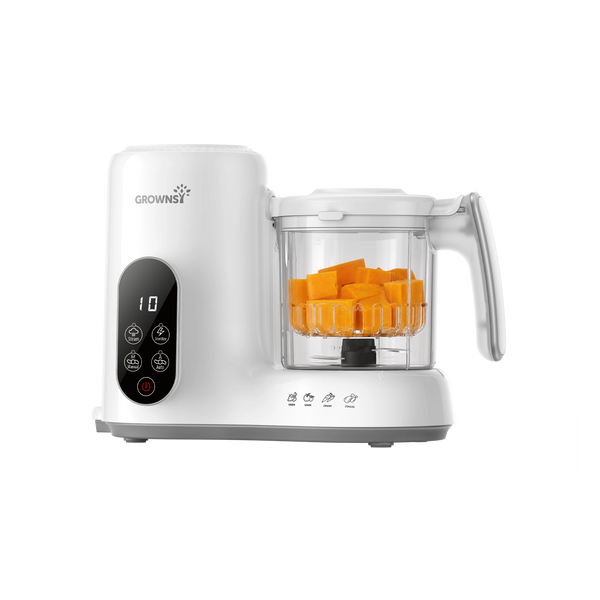
NutriChef Steam & Blend Baby Food Processor
As your toddler transitions to cow’s milk, balanced solid meals become increasingly important for meeting their nutritional needs. Too much milk reduces a toddler’s appetite for iron-rich foods, so offer meals with ingredients such as lentils, meat, and leafy greens as they help support a varied diet.
The NutriChef Steam & Blend Baby Food Processor combines steaming and blending, making it easier to prepare homemade purées and soft mashes with textures suited to your child’s stage of development.
Caution: Always check that food is cooked thoroughly, cooled to a safe temperature, and prepared in a texture appropriate for your baby's developmental stage. Babies should be supervised while eating to reduce choking risks.
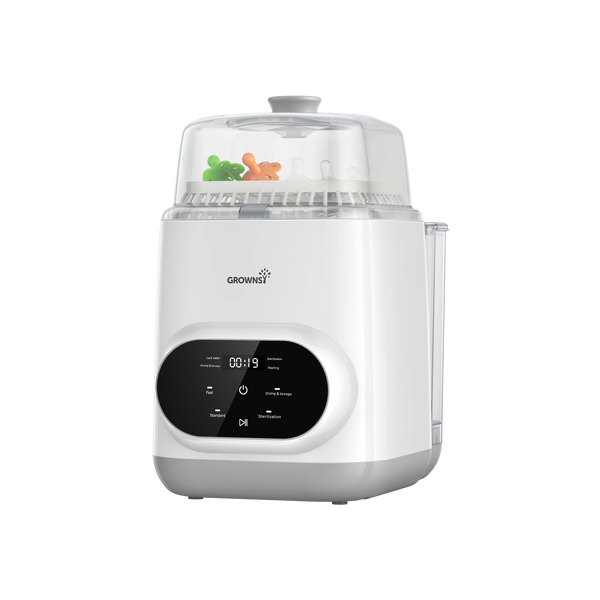
4-in-1 Bottle Washer Sterilizer and Dryer
As you gradually replace bottle feeds with milk in a cup, you may still need bottles for some feeds during the transition. Keeping bottles and feeding accessories clean is especially important while your baby continues to use them. The all-in-one Bottle Washer Sterilizer and Dryer is designed to wash, sterilize, and dry compatible bottles and pump parts, helping simplify the daily cleaning routine. It may be particularly useful for families managing several feeding items while encouraging their little one to become more comfortable with a cup.
The Bottom Line
Babies do not need to stop drinking milk at one particular age. Most switch from infant formula to pasteurized whole cow’s milk at 12 months, while breastfeeding may continue for as long as parent and child wish. Around the same time, milk should gradually become part of a varied diet rather than a replacement for meals.
Generally, for many toddlers, around 16 ounces of milk per day is a useful starting point, although individual needs vary. Your objective should be to move away from bottles between 12 and 18 months, keep milk separate from toothbrushing and sleep, and remember that children meet their nutritional needs without drinking cow’s milk if their diet is planned appropriately.
If your child refuses milk, has feeding difficulties, or has special nutritional needs, ask your pediatrician for guidance customized to their growth and diet.
Explore More Baby Food Guides
While you wait for the event, check out our stage-by-stage resources to start mastering everyday baby food prep:
The Ultimate Guide to Making Homemade Baby Food
Homemade Baby Food for 4-6 Month Olds: Simple & Nutritious Recipes
Homemade Baby Food for 8--12 Months: Real Meals Begin
Homemade Baby Food for 6--8 Months: New Combos & Textures
Homemade Baby Food for 12+ Month Olds: Toddler Table Time
Baby First Food: 14 Easy, Iron-Rich Recipes for Starting Solids
Toddler Meals: Easy Recipes, Portion Sizes, Meal Plans, and Picky-Eater Tips
References
- [1] Centers for Disease Control and Prevention (CDC). Cow’s Milk and Milk Alternatives. Infant and Toddler Nutrition.
- [2] American Academy of Pediatrics (AAP). Why Do Infants Need Baby Formula Instead of Cow’s Milk? HealthyChildren.org.
- [3] American Academy of Pediatrics (AAP). Your Toddler Only Wants Milk? How to Ease a Milk Dependency Habit. HealthyChildren.org.
- [4] American Academy of Pediatrics (AAP). From Bottle to Cup: Helping Your Child Make a Healthy Transition. HealthyChildren.org.
- [5] NHS. Baby and Toddler Tooth Care.
- [6] Centers for Disease Control and Prevention (CDC). Weaning From Breastfeeding. Infant and Toddler Nutrition.
- [7] World Health Organization (WHO). Continued Breastfeeding for Healthy Growth and Development of Children.
- [8] MedlinePlus. Nutrition for Kids.


