


Newborn's Hands Are Cold? What Parents Need to Know
Our little ones are often ready to surprise us. Some days, they are resting, and on some days, they are either too hot or too cold. Honestly, new parents can be caught off guard, but it's okay. One of the common issues is that the newborn baby's hands are cool to the touch. Let us give you some good news: it's completely normal in the first few months. However, we will take this article as an opportunity to share why it happens and how you can handle it.
Is It Normal for Newborn Hands to Feel Cold?
Yes, it is normal for newborn hands to feel control. This is because the babies are learning how to control their body heat, so their feet and hands will be cooler than other body parts.
Why Newborn Hands Are Often Cold
While it's common for newborn babies to have cold hands, the new parents still worry. So, if you are wondering why the newborn's hands are cold, we are sharing the reasons.
Immature Circulation in the First Weeks
The circulatory system of your baby is still developing and adjusting. The small blood vessels in their feet and hands are learning how to open and close. Also, the body focuses on sending blood to the important organs first. This can slow down the blood flow in the hands and feet, leading to a low skin temperature.
Why Blood Flow Prioritizes the Core Body
Whenever your baby feels cool, their body will send more blood to their body's middle part. This helps keep their lungs and heart warm, as it's more important. As a result, less blood will reach their legs and arms for a bit. Keep in mind that it's their survival, so not a problem.
Cold Hands vs. Cold Body Temperature
Cold hands and cold body temperature are two different things. This is because the hands will feel cool even if the body temperature is normal. However, if the entire body feels cold, you should check with your baby's doctor.
When Baby Circulation Usually Improves
As your little one grows, their blood circulation also improves. For example, this issue should stop happening when they are three to six months old.
Newborn Cold Hands by Age
There is no exact age when every baby's hands will stop feeling cool. The following guide describes common patterns rather than a guaranteed timeline.
| Age | What May Be Typical |
|---|---|
| Birth to 4 weeks | Cool hands and feet are common while circulation and temperature control adjust after birth. |
| 1 to 3 months | Peripheral temperature may continue to change with clothing, bathing, feeding, crying, and room conditions. |
| 3 to 6 months | Hands may feel warmer more often as movement, circulation, and temperature regulation mature. |
| After 6 months | Occasional cool hands can still occur. Persistent, one-sided, discolored, or symptom-related coldness should be discussed with a clinician. |
Once your baby is six months old, the cold hands issue will be gone. However, if your baby still has cold hands, it wouldn't hurt to talk to your pediatrician.
Cold Hands, Cold Feet, and Acrocyanosis
Imagine your baby's hands and feet are cold but you also see the hint of blue in their skin. Let's see what it is about. Acrocyanosis is the medical name for when your baby's hands and feet have a bluish tone. This happens because the blood is supplied to lungs, kidneys, and brain first. This means less blood supply for feet and hands. It's fine as long as their body is normal color.
Blue Hands and Feet vs. Blue Lips or Face
The bluish tone in palms, arms, legs, and soles is fine. However, if the lips, torso, and head are blue, it means lower oxygen levels in their blood. If this is the case, you should take your baby to the emergency immediately.
Normal Color Changes After Birth
The normal blue tone fades within one to two days of the birth. This is because the baby starts settling into the environment. However, they can turn blue again if the baby has a cold, cries, or is given a bath.
Signs of Poor Circulation Parents Should Not Ignore
If you have been trying to warm the baby but the body is still blue, you should call the pediatrician. Some of the other signs include poor feeding, extra sleepiness, and fast breathing.
How to Tell If Your Baby Is Actually Too Cold
We have shared why the coldness happens, but you should also know when the baby is actually too cold. Many parents just touch the baby's hands to check if they are warm enough, but it's not enough. This is because the blood flow slows down naturally in the hands anyways. Instead, you should check their neck, back, and chest. If these parts are warm, the temperature is fine. Now, let's see how you can take their temperature properly.
How to Take a Baby's Temperature Correctly
If your baby is under three months old, you should go with rectal temperature check. This is because the readings in the underarms are usually lower than the body temperature. You can also ask your pediatrician for the correct way of taking their temperature.
The normal rectal temperature is between 97.0°F and 99.5°F. However, if the temperature is lower than this number, it is called hypothermia. Keep in mind that this requires attention.
Common Causes of Cold Hands of Infants
It is important to know the common reasons behind cold hands in your infants, which includes:
-
The nursery's temperature is cold because babies lose heart quickly
-
Wet hair, wet clothes, or a recent bath time because it pulls away the heat
-
If the baby's hands are exposed or they aren't wearing full sleeves or a swaddle
-
Low-weight or premature babies have less body fat, which keeps them cold
-
Sometimes, cold hands are a sign of heart or blood flow condition, so check with the doctor if the cold hands don't get better

When Cold Hands May Be a Warning Sign
We have mentioned that cold hands are common but there are times when cold hands are actually a big problem, such as;
-
If the baby is not feeding properly or is not interested in feeding
-
If the baby is too sleepy or low on energy all the time
-
If the baby is crying weakly
-
If the baby's skin looks gray, pale, or blue in body parts other than feet and hands
-
If only one hand or foot is cold or discolored, call the pediatrician because it could mean a circulation issue in the limb
-
If the baby's lower body has a low temperature too in addition to the hands
In case your little one is under three months old, you should take your baby to the emergency if the baby has a fever. Keep in mind that you have to consider it an emergency.
Safe Ways to Warm Your Baby
The cold hands can bother the parents and there are actually some safe ways to warm the little one. Some of them include:
-
Add one more layer of clothing to help with warmth
-
Use the sleep sacks instead of loose blankets to keep them warm
-
Hold your baby against your bare chest as it will quickly warm and calm them
-
Dry the little one quickly after the bath and dress them up right away
Sleep Sacks, Mittens, and Cold Baby Hands at Night
Many parents use sleep sacks to keep the baby warm, but complain that the baby's hands are still cold. This happens because the hands are not usually covered. However, you don't need to cover the hands, but putting them in a light pajama set is enough to keep them warm. Keep in mind that mittens are not recommended because they can come off and might cause suffocation in the crib. Instead, you can opt for a sleeve or footed sleeper.
Before we move on, remember that you should not make them wear too many layers as a higher temperature can lead to Sudden Infant Death Syndrome (SIDS). So, always check the temperature on the neck instead of the hands for a better call.
As far as the sleep sacks are concerned, you can have a look at the TOG rating because it will easily tell you how warm the fabric is. The simple rule of thumb is to match the TOG rating with baby's room's temperature.
Room Temperature and Baby Comfort
According to the Sleep Foundation, you should keep the nursery's temperaturebetween 68 and 72°F. It is the ideal temperature range and ensures your baby is not at risk of SIDS. You can use the room thermometer to keep an eye on the temperature (no guesswork when it comes to your baby, please).
However, you should keep the baby's crib away from radiators, vents, and windows because it can make the nursery dry and cold. If you want to check if the nursery's temperature is okay for your baby, simply walk around in light clothing. If it's comfortable for you, it's fine for the baby too.
Car Seat, Stroller, and Outdoor Warmth Safety
If you have to take the baby out, you need to keep a few things in mind. First of all, don't make your baby wear winter coats or snowsuits underneath the car seat harness because the padding flattens in case of a crash, and there will be space under the straps. Instead, you should dress your little one in a blanket or coat and remove it once you put them into the car seat. As far as the cold hands are concerned, you can make the baby wear footmuffs and mittens.
Also, with the newborn, outdoor trips should be avoided if the weather is too cold. Once you are inside, check their hands, back of the neck, and cheeks. If the temperature is too low, you have to check with the doctor.
Special Considerations for Preterm, Low-Birthweight, and NICU Babies
You have to be careful with the preterm, NICU, and babies with low birth weight. This is because such babies have low fat under the skin, so they will lose warmth faster. Also, it means that you've to monitor their temperature more regularly. For such babies, the best way is to offer skin-to-skin care because it improves temperature control.
If the baby is at home, you should check the baby's temperature more regularly, especially in the first few weeks. It's important because such babies need a warmer temperature. You can also ask your pediatrician about the room temperature. Also, we recommend that you keep the pediatric nurse's contact number if the pediatrician is not reachable during the weekend or holidays.
Conclusion
Cold hands are one of the first things that new parents notice about their newborn baby. For the most part, it means that their blood circulation is still developing. So, always check the temperature on the neck or chest to ensure the temperature is normal. However, always keep a sharp eye on fever, low body temperature, or less feeding. Remember that you are a parent and your gut is never wrong, so call the doctor if you see anything slightly off.
Editor's Recommendation
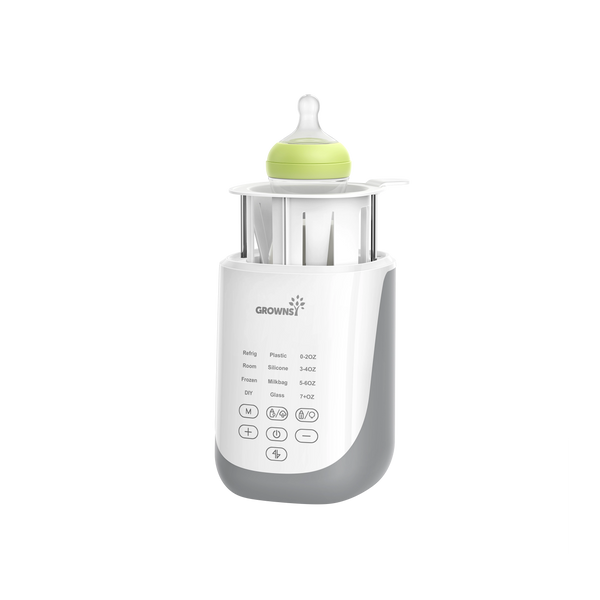
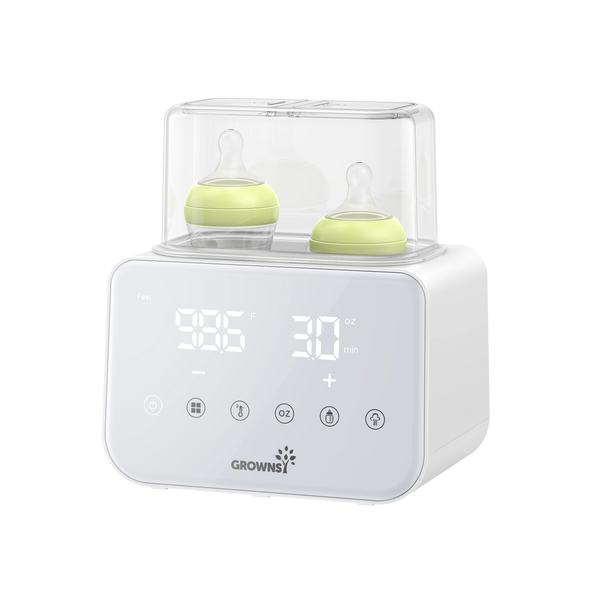
When your baby’s hands feel cool at 3 a.m., start by checking their chest—not by turning up every layer in the room. If their core feels comfortable and they are feeding normally, the next challenge is often feeding your hungry little one. Grownsy bottle warmers combine fast warming, adjustable temperature control, and a soft night light to make low-light bottle prep feel less stressful. You can start warming, comfort or change your baby, then return to a bottle that is easier to prepare consistently. Always swirl the milk, test it before feeding, and follow breast milk or formula storage guidance. A bottle warmer can simply helps make an your normal nighttime feeding routine calmer.
This article provides general education and does not replace advice from your baby's pediatrician. Newborns can become unwell quickly, so seek medical advice whenever a temperature reading, color change, breathing pattern, feeding behavior, or energy level concerns you.
Related Articles:
1. Infant Spits Up Through Nose: Don't Panic — Here's What to Do
2. Infant Sleeps With Eyes Open: What It Means and What to Do
3. Baby Making Gasping Sounds But Breathing Fine? A Overall Parent's Guide
4. Baby Spitting Up Clear Liquid: Causes, Red Flags, and What Parents Can Do
5. Arching of Back in Infants: What It Means and When to Worry
Sources
- American Academy of Pediatrics: Fever and Your Baby
- American Academy of Pediatrics: Recognizing Newborn Illness
- American Academy of Pediatrics: How to Keep Your Sleeping Baby Safe
- American Academy of Pediatrics: Winter Car Seat Safety Tips
- Stanford Medicine Newborn Nursery: Acrocyanosis
- World Health Organization: Thermal Protection of Newborns


